

Products
 Batt Pack Energy | 3kW
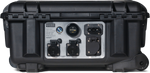 Batt Pack Pro | 5kW
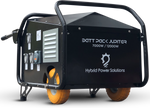 Batt Pack Jupiter | 7kW
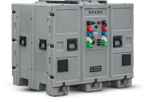 Spark Cube | 12kW/24kW
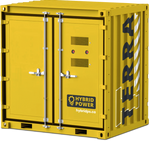 TERRA | 166kVA
Resources

7 Ways to Reduce Diesel Fuel Costs Dramatically in 2026
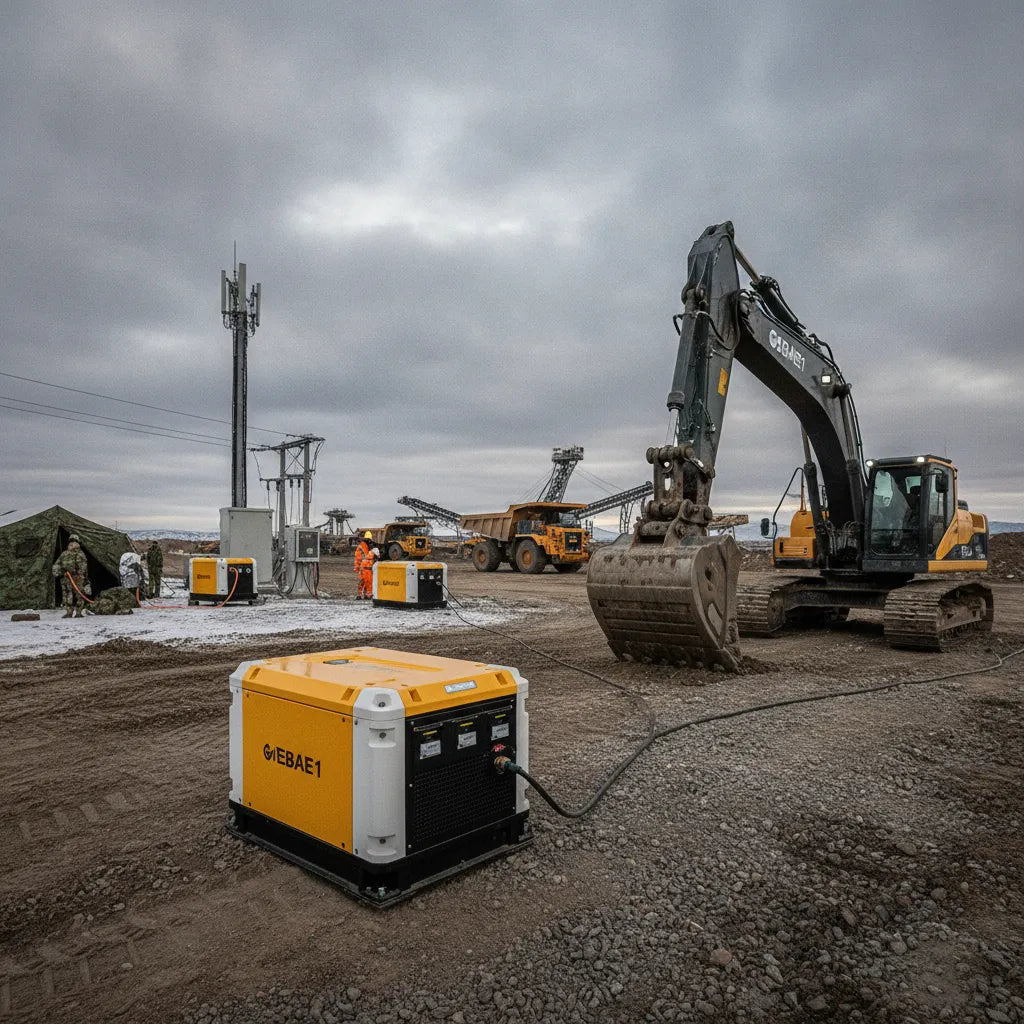
Understanding how to reduce diesel fuel costs is essential for any fleet operator or equipment manager. To reduce diesel fuel costs, combine smarter driving habits, regular engine maintenance, route optimization, and strategic fuel purchasing — fleets typically cut consumption 10–20% with these steps alone. Fuel additives, telematics systems, and alternative fuels like biodiesel can push savings further. The biggest wins come from attacking waste on multiple fronts simultaneously rather than relying on any single fix.
"The most effective approach to how to reduce diesel fuel costs isn't one silver bullet — it's layering behavioral changes, maintenance discipline, and smart purchasing into a system that compounds savings month over month." — Dr. Michael Roeth, Executive Director at North American Council for Freight Efficiency (NACFE)
1. How to Reduce Diesel Fuel Costs Through Driving Habits
Changing three driver behaviours — speed management, idling reduction, and smooth acceleration — can cut diesel consumption by 20–30% with zero capital investment. According to Capstone Logistics' research on mindful driving for truckers, these behavioral shifts represent the fastest and most cost-effective path to lower fuel bills.
Steady highway speeds between 55–65 mph improve fuel economy by up to 27% compared to driving at 75 mph [2]. Aerodynamic drag increases exponentially with speed, so every mile per hour above 65 costs disproportionately more fuel. Cruise control compounds this: on flat highway runs, it reduces fuel variance from throttle inconsistency by an estimated 6% [2].
Diesel engines burn roughly 0.8 gallons per hour at idle [2]. A truck idling two hours daily for 250 working days consumes 400 gallons per year, at $4.00/gallon, that's $1,600 per truck, per year, doing zero productive work.
Progressive shifting keeps the engine in its efficiency band, typically 1,200–1,500 RPM for most heavy-duty diesels. Hard acceleration forces the engine above 2,000 RPM, where fuel burn spikes sharply. Training drivers to shift before the tachometer climbs past 1,500 RPM is one of the fastest payback changes a fleet can make.
The stacked savings calculation most operators miss: a driver who eliminates excessive idling (saves ~$1,600/year), holds 60 mph on highways (saves ~$2,200/year on a 100,000-mile route at 8 mpg vs. 6.5 mpg), and shifts progressively (saves ~$800/year) doesn't add those figures — they compound, because each behaviour reduces the baseline fuel burn the next behaviour improves on. Combined, these three habits can realistically deliver $4,500–$5,000 in annual savings per truck, versus $1,500–$2,500 when any single habit is adopted in isolation.
What Maintenance Practices Prevent Fuel Waste in Diesel Engines?
Air filters, injectors, and engine oil grade each have a direct, measurable effect on fuel burn, covered in detail in the next section.
How Does Tire Pressure and Aerodynamics Impact Diesel Fuel Economy?
Under-inflated tyres increase rolling resistance: every 10 PSI below the recommended pressure raises fuel consumption by roughly 0.5–1%. Aerodynamic additions — cab deflectors, side skirts, and trailer gap reducers — can reduce drag-related fuel loss by 5–10% on long-haul routes, with payback periods under 18 months at current diesel prices.
2. Preventive Maintenance That Cuts Diesel Consumption
Skipping routine diesel maintenance doesn't just risk breakdowns — it silently raises fuel burn by 15–25% and can cost a single truck $4,000+ in excess fuel spend over 12 months. Knowing how to reduce diesel fuel costs through maintenance is one of the most overlooked opportunities in fleet management.
A severely clogged air filter forces the engine to pull harder against restricted airflow, increasing fuel consumption by up to 10%. Replacing a filter costs $20–$50; leaving it clogged for an extra 20,000 km costs far more in wasted diesel.
Dirty or miscalibrated injectors reduce fuel atomisation, causing incomplete combustion. This raises consumption by 8–15% and produces visible black smoke, a clear diagnostic signal. Professional injector cleaning runs $100–$300 per set, a fraction of the $1,500–$3,000 per-injector replacement cost that follows prolonged neglect.
Engine oil viscosity is a smaller but real factor. Using the manufacturer-specified grade, typically 15W-40 for most heavy-duty diesels, reduces internal friction and improves economy by 1–2% compared to a heavier alternative. Engines running below their optimal coolant temperature (180–200°F) also burn more fuel during extended warm-up phases, particularly in Canadian winters.
"Deferred maintenance is one of the most expensive decisions a fleet manager can make. The fuel penalties from a clogged filter or worn injectors accumulate silently — until they show up as a budget crisis at year-end." — Ron Turley, Fleet Efficiency Consultant and Founder, Ron Turley Associates
The compounding cost of deferred maintenance: skip air filter replacement, injector service, and an oil grade correction across one year, and the individual penalties — 10%, 8–15%, and 1–2% respectively — stack on the same fuel bill. For a truck burning 15,000 gallons annually at $4.00/gallon, that's a $4,200–$5,400 overspend. No single line item looks catastrophic; the total is.
3. Fuel Additives and Treatments That Deliver Real ROI
Three additive categories — cetane boosters, lubricity additives, and fuel stabilisers — have documented fuel-saving benefits, but only when matched to the right application and verified as OEM-compatible.
Which Fuel Additives Deliver Measurable ROI for Fleet Operators?
Cetane boosters raise the cetane number of pump diesel, improving ignition quality and combustion efficiency. Raising cetane from 40 to 50 can reduce fuel consumption by 2–4% and cut cold-start fuel waste, relevant for any fleet operating in sub-zero temperatures.
Ultra-low-sulfur diesel (ULSD), now the North American standard, has significantly lower natural lubricity than older high-sulfur formulations. Lubricity additives compensate for this, protecting injector tips and pump components. Injector replacement runs $1,500–$3,000 per unit; a bottle of lubricity additive costs $15–$40 per tank treatment.
Fuel stabilisers matter for stored diesel — seasonal equipment, backup generators, and reserve tanks. Diesel degrades within 6–12 months without treatment, producing sediment that fouls injectors and filters. This is particularly relevant for construction and mining sites that store bulk fuel on-site.
| Additive Type | Cost per Tank Treatment | Claimed Fuel Saving | Realistic Payback Period |
|---|---|---|---|
| Cetane Booster | $10–$20 | 2–4% | 1–3 fill-ups |
| Lubricity Additive | $15–$40 | Indirect (injector protection) | Avoided repair cost basis |
| Complete Fuel Treatment | $25–$60 | 2–6% (combined claims) | 2–5 fill-ups |
The OEM warranty issue most additive articles skip entirely: low-quality or unapproved additives can void manufacturer warranties on injection systems. Before adding any treatment to a fleet under warranty, verify it carries OEM approval — Cummins, Detroit, and PACCAR each publish approved additive lists. Aftermarket-only products may deliver short-term gains while creating a warranty liability that costs far more to resolve.
4. Fleet Management Technology and Telematics
Telematics platforms that track idling, speed, and harsh braking events reduce fleet-wide diesel consumption by 10–15%, with payback periods typically under 12 months for fleets of 10 or more vehicles. For fleet managers researching how to reduce diesel fuel costs at scale, telematics is often the highest-leverage technology investment available.
What Telematics and Monitoring Tools Help Optimize Diesel Fuel Costs?
A documented case from a 20-vehicle mixed fleet showed $60,000 in annual fuel savings after deploying a telematics system, driven primarily by idling reduction and speed compliance alerts. According to the U.S. Energy Information Administration's weekly diesel fuel price data, prices above $4.00/gallon [1] widen that savings gap further. The system paid for itself in under eight months.
Geofencing is an underused feature in most fleet telematics deployments. Setting geographic boundaries flags after-hours vehicle movement and unauthorised idling at non-approved locations — two common sources of fuel theft that rarely appear on standard fuel reports.
How Do Route Optimization and Driver Behavior Monitoring Impact Fuel Spending?
Route optimisation software reduces total kilometres driven. A 5% mileage reduction across a 10-truck fleet — roughly 50 fewer kilometres per truck per day — saves approximately 3,000 gallons per year, based on a 6 mpg average for heavy-duty diesels. At $4.00/gallon, that's $12,000 annually from routing alone. For more information, see Senejac.
Driver scorecards accelerate behaviour change. Fleets using structured coaching programs — weekly scores, peer benchmarking, and manager follow-up — report 8–12% fuel savings within 90 days of launch. The data is most effective when drivers see their own scores, not just fleet averages.
The integration gap most fleet articles miss: connecting telematics data directly to fuel card programs lets fleet managers flag pump-level anomalies — fueling more than tank capacity, fueling at unauthorised locations, or suspiciously short intervals between fill-ups. This catches both theft and card-sharing, two losses that don't show up in miles-per-gallon reports but directly inflate the fuel budget.
5. Fuel Hedging and Futures Contracts for Fleet Operators
Fuel hedging locks in a price per gallon for a defined future period, protecting fleet budgets from the price spikes that can add $2.00+ per gallon within a single year.
What Are Practical Fuel Hedging Strategies for Small to Medium Fleets?
In early 2022, fleets that locked in diesel at approximately $3.80/gallon avoided the spike to $5.80+ that followed later that year — a saving of roughly $2.00/gallon on every gallon consumed during that window. For a 20-truck fleet burning 200,000 gallons annually, that differential represented $400,000 in avoided cost.
Three practical options scale by fleet size:
- Fuel cards with price caps (1–10 trucks): Some fuel card providers offer weekly or monthly price-lock programmes. Low administrative burden, limited upside, but accessible without a commodity trading account.
- Fixed-price supply contracts (10–50 trucks): Negotiate directly with a regional distributor for a set price per litre over a 6–12 month term. Requires volume commitments but eliminates spot market exposure.
- Exchange-traded futures or options (50+ trucks): NYMEX heating oil futures are the standard proxy for diesel hedging. Requires a broker, margin account, and active position management — appropriate only for large fleets with dedicated finance staff.
How Do You Lock In Diesel Prices Using Futures Contracts?
Basis risk is the critical concept most introductory hedging guides skip. NYMEX heating oil futures don't track retail diesel prices exactly — the spread between futures settlement and pump price varies by $0.20–$0.50/gallon depending on region, season, and refining margins. A fleet that hedges perfectly on paper can still face budget variance if basis widens unexpectedly.
The break-even hedge calculation is straightforward: multiply annual gallons consumed by the price differential needed to cover hedging fees (brokerage commissions, margin costs, or distributor contract premiums). If hedging costs $0.05/gallon in fees and your fleet burns 500,000 gallons per year, you need diesel prices to rise by more than $0.05/gallon above your hedge price to come out ahead.
The accounting treatment issue most fleet guides ignore entirely: mark-to-market gains and losses on open futures positions flow through quarterly financial statements before the physical fuel is consumed. A hedge that's "working" financially can still show a paper loss in Q2 that affects reported earnings. Co-ordinate with your accountant before entering exchange-traded positions — the tax and reporting treatment of commodity hedges is not the same as a simple supply contract, and misclassification creates compliance risk.
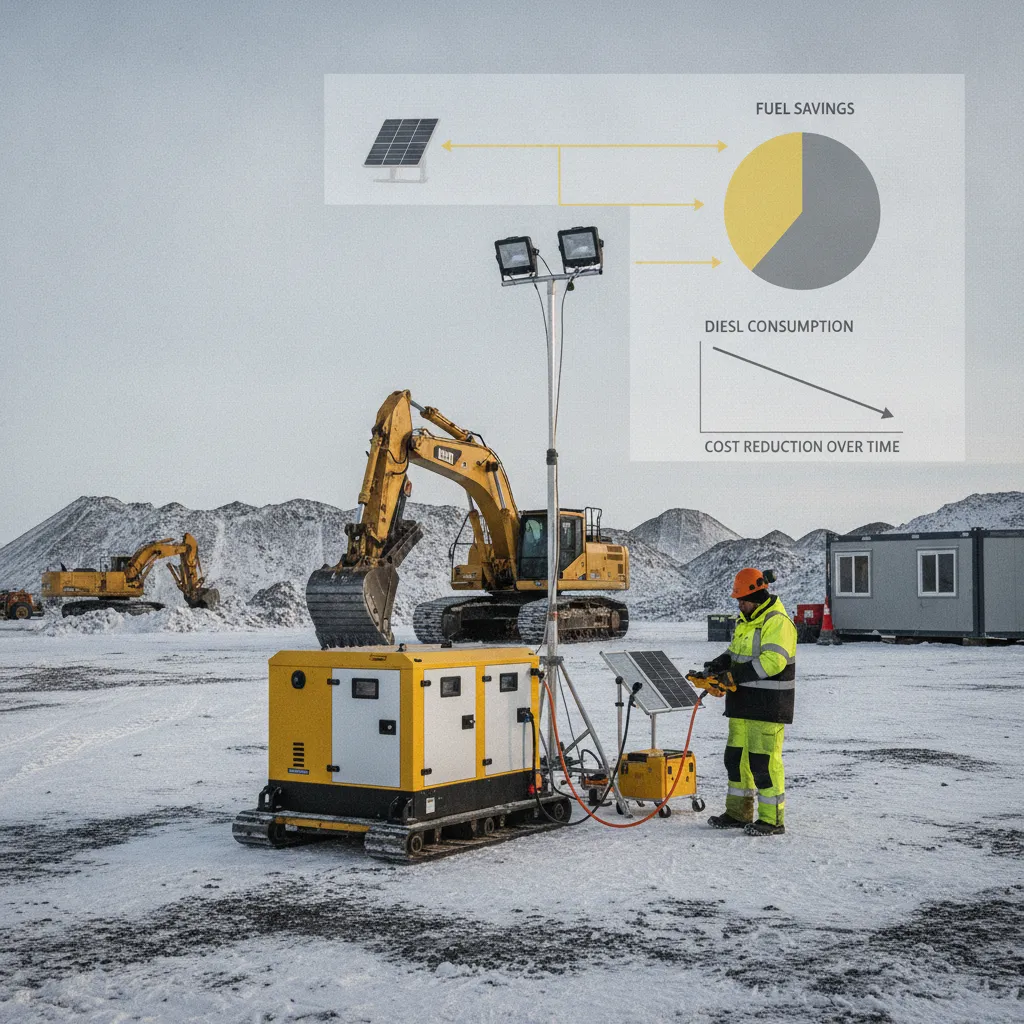
6. Regional Diesel Price Differences and How to Use Them
Diesel prices vary by more than $1.50/gallon across U.S. regions — knowing where to buy fuel can cut per-trip costs by $50–$150 on a single fill-up [1]. Monitoring the EIA's Gasoline and Diesel Fuel Update weekly gives fleet managers the regional price intelligence needed to optimize fuel stop decisions and is a core practice for operators serious about how to reduce diesel fuel costs across geographic corridors.
Which Regions Have the Lowest Diesel Prices and Why?
The Gulf Coast and Midwest consistently post the lowest diesel prices, driven by refinery proximity, lower state tax rates, and simpler blend requirements. California sits at the opposite end — state taxes alone add $0.93/gallon compared to $0.244/gallon in federal-only states, pushing pump prices well above the national average [1].
Long-haul operators running fixed corridors should map fuel stops against state tax boundaries. Crossing into a lower-tax state for a fill-up on a 150-gallon tank saves $50–$140 per stop — real money across a weekly run.
Apps like GasBuddy for truckers, TruckPark, and Trucker Path display real-time diesel prices along a planned route, letting drivers confirm the cheapest stop before committing. For fleets operating within a fixed region, bulk purchasing through a local distributor or agricultural co-op typically yields volume discounts of $0.05–$0.20/gallon.
Canadian cross-border operations add a layer most U.S.-focused guides skip entirely. Provincial fuel taxes differ from state taxes, and currency exchange rates shift the math week to week — a route that pencils out in July may not in October. Canadian operators need a live cost model that accounts for both variables, not a static U.S.-centric fuel-stop chart.
7. Biodiesel and Synthetic Diesel as Cost-Reduction Alternatives
B20 biodiesel and renewable diesel can reduce per-gallon fuel costs by $0.10–$1.00 depending on region and incentive eligibility, but engine compatibility and cold-weather limits must be confirmed before switching.
How Does Biodiesel Pricing Compare to Conventional Diesel Long-Term?
B20 blends (20% bio, 80% petroleum diesel) typically price $0.10–$0.30/gallon below ultra-low-sulphur diesel in the Midwest and Pacific Northwest, where production infrastructure is strongest. The trade-off: biodiesel carries roughly 2% less energy per gallon, slightly reducing range per fill-up. Over a full year, that energy gap is real but rarely offsets the price advantage in high-production regions.
Federal and state incentive programmes widen the gap further. The Biodiesel Blenders Tax Credit and California's Low Carbon Fuel Standard (LCFS) credits can reduce effective cost by $0.50–$1.00/gallon for qualifying fleets, though accessing LCFS credits requires registration and reporting that adds administrative overhead.
What Are the Engine Compatibility and Cost Implications of Synthetic Diesel?
Renewable diesel (R99/R100) is chemically identical to petroleum diesel — no engine modifications, no compatibility concerns, and no range penalty. It is increasingly price-competitive in California precisely because LCFS credits subsidise its production cost.
Cold weather is the critical variable for biodiesel blends. Any blend above B5 can gel below 20°F (-6°C) without pour-point depressant additives — a direct operational risk for Canadian and northern U.S. sites running winter deployments. Most OEMs approve up to B5 or B20 without warranty implications, but blends above B20 require written OEM approval. That warranty clause rarely appears in competitor content, and skipping it can void coverage on a $150,000 engine.
8. Engine Efficiency Upgrades With the Best ROI
Aerodynamic kits, auxiliary power units, and tyre inflation systems deliver documented fuel savings of 3–15%, often with payback periods under 18 months on existing equipment.
What Specific Engine Upgrades Deliver Measurable Fuel Savings with ROI Calculations?
Cab roof fairings, side skirts, and gap reducers cut aerodynamic drag by 10–15% on Class 8 trucks. At current diesel prices, most fleets recover the installation cost within 12–18 months — without buying a single new truck.
Auxiliary power units (APUs) eliminate engine idling during sleeper cab rest periods. A diesel engine idling for climate control burns 0.8–1.0 gallon per hour; a driver idling 8 hours nightly burns roughly 2,400–3,000 gallons per year. At $3.50–$4.00/gallon [1], that is $8,400–$12,000 in avoidable fuel spend — APU payback typically lands inside 24 months.
Automatic tyre inflation systems maintain optimal pressure continuously. Under-inflated tyres increase rolling resistance and fuel consumption by up to 3% per 10 PSI below specification — a quiet, compounding cost that manual checks miss between service intervals.
ECU reprogramming to optimise fuel injection timing can yield 3–5% efficiency gains on older engines with no hardware changes, provided the calibration stays within emissions compliance.
Most articles on how to reduce diesel fuel costs focus on new equipment purchases. The stronger ROI case is often retrofitting: aerodynamic kits plus an APU on a truck with 3–4 years of useful life left typically outperforms trading it in 2–3 years early, once depreciation, financing costs, and downtime during transition are factored in.
"Fleets that systematically track how to reduce diesel fuel costs through retrofits — aerodynamics, APUs, and tire inflation systems — consistently outperform those chasing new-vehicle fuel ratings. The math on existing assets is almost always more favorable." — Allen Schaeffer, Executive Director, Diesel Technology Forum
9. Fuel Card Programs and Bulk Purchasing Strategies
Fuel card programmes and bulk purchasing can cut per-gallon diesel costs by $0.05–$0.25 while generating transaction data that directly reduces theft — a combination most fleets underuse.
Major fuel card networks — WEX, Comdata, and Fleetcor — offer per-gallon discounts of $0.05–$0.15 at in-network stations, plus itemised transaction reporting that flags unusual purchases by driver, location, or volume. Fuel card fraud costs U.S. fleets an estimated $400 million annually. Card-level controls — product restrictions, per-transaction gallon limits, PIN requirements — eliminate most of that exposure without adding administrative burden. The controls pay for themselves.
On-site bulk storage is the next lever for fleets with predictable consumption. A 500-gallon above-ground tank runs $2,000–$5,000 installed. Fleets burning 2,000+ gallons per month typically break even within 6–12 months through volume pricing alone, then continue saving indefinitely.
Smaller fleets that cannot justify on-site storage can access similar pricing through agricultural or trucking purchasing co-operatives, which pool member volume to negotiate discounts of $0.10–$0.25/gallon. For fleets consuming above 5,000 gallons per month, negotiating a fixed-price contract directly with a local distributor locks in cost certainty and removes exposure to weekly spot-price swings.
How to Choose the Right Diesel Cost-Reduction Strategy for Your Fleet
The right fuel-saving strategy depends on fleet size, geography, and available capital — a structured decision framework prevents spending on medium-term upgrades before capturing the free wins first. Understanding how to reduce diesel fuel costs requires matching the right tool to the right fleet profile.
What Metrics Should You Track to Measure ROI on Fuel-Saving Investments?
Start with zero-capital actions: driving behaviour coaching, tightening preventive maintenance schedules, and activating fuel card controls. These cost nothing and typically yield 5–15% reductions in fuel spend within 90 days. Only after those gains are locked in does capital investment in telematics or aerodynamic kits make sense.
Fleet size determines which strategies pencil out. A 1–5 vehicle operation benefits most from fuel cards and maintenance discipline. At 10–50 vehicles, telematics ROI becomes clear and bulk storage starts to pay. Above 50 vehicles, futures hedging and co-operative purchasing deliver material savings — below that consumption threshold, the administrative cost exceeds the benefit.
Set a baseline before spending anything. Calculate your current cost-per-mile: total monthly diesel spend divided by total miles driven. Industry average for Class 8 diesel operations runs $0.18–$0.24/mile. If you are above that range, the gap is your 12-month reduction target.
Track four metrics monthly: gallons per mile (or fleet MPG), idle percentage, fuel cost as a percentage of total operating cost, and cost variance versus the regional benchmark price published weekly by the U.S. Energy Information Administration [1]. Variance against benchmark tells you whether your purchasing strategy is working independently of market price movements.
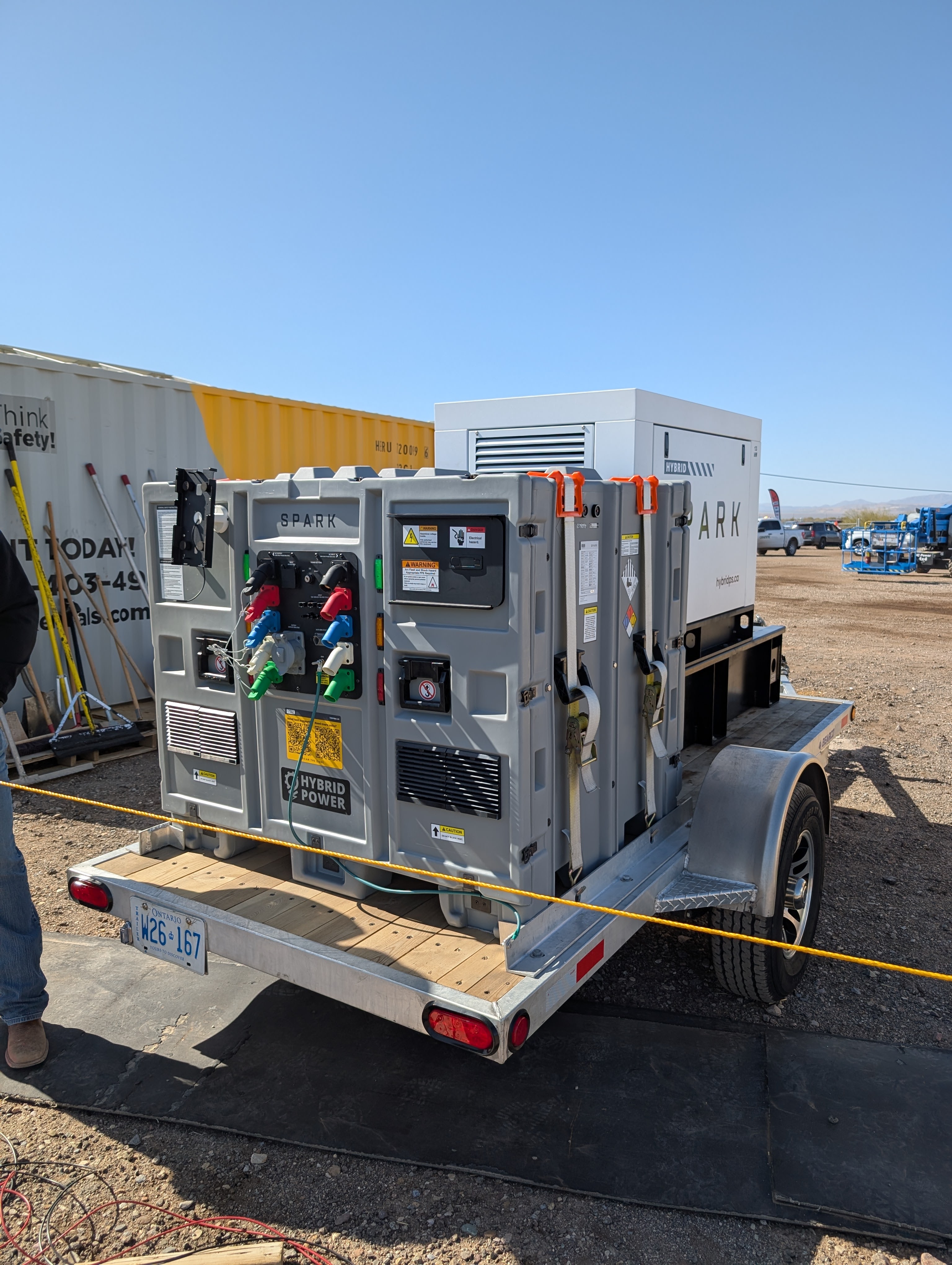
Operations running hybrid power alongside diesel — such as sites using a Hybridps LiFePO4 battery system like the Batt Pack Pro or Jupiter to carry baseload and standby loads — should also track generator run hours and fuel burn separately. Reducing diesel generator runtime by shifting loads to battery storage directly lowers both fuel cost and maintenance intervals, and that saving belongs in the same monthly audit.
Use the checklist below to score your fleet across ten fuel-efficiency factors. Each item is binary: either the practice is in place or it is not. A score below 7/10 means quick wins remain on the table before any capital investment is warranted.
- Fuel card with per-transaction controls active on all vehicles
- Preventive maintenance schedule followed within ±500 km of interval
- Tyre pressure checked and logged weekly
- Telematics system capturing idle time per driver
- Driver fuel-efficiency scores reviewed monthly
- Aerodynamic kit installed on all Class 8 units
- APU or shore power used for sleeper cab climate control
- Fuel stop routing optimised against real-time price data
- Bulk purchasing or co-op membership in place
- Monthly cost-per-mile calculated and benchmarked against regional average

Frequently Asked Questions
Why is diesel more expensive than gasoline right now?
Diesel carries a higher refining cost than regular gasoline and faces separate demand pressures from freight, agriculture, and industrial sectors. Commercial trucking alone accounts for a significant share of diesel demand, which keeps prices elevated even when gasoline softens. The U.S. Energy Information Administration tracks weekly diesel prices separately from gasoline precisely because the two markets move on different supply-and-demand cycles [1]. Seasonal heating oil competition in winter months adds further upward pressure on diesel in northern regions.
What is the single fastest way to reduce diesel fuel consumption?
Eliminating unnecessary idle time delivers the fastest measurable reduction in diesel consumption — most diesel engines burn 0.8–1.0 litres per hour at idle, adding up quickly across a fleet. On job sites, replacing idling generators with a pre-charged LiFePO4 battery system during low-load periods cuts that burn to zero. Driver behaviour changes — specifically reducing hard acceleration and maintaining steady speeds — can improve fuel economy by up to 30 percent [2].
How much can a fleet realistically save by combining multiple fuel-reduction strategies?
Combining idle-reduction, load optimisation, preventive maintenance, and hybrid power integration can reduce total diesel spend by 25–50% depending on fleet size and site conditions. Fuel represents up to 39 percent of a truck's operating expenses [2], so even a 15% reduction across a mid-sized fleet translates to tens of thousands of dollars annually. Sites that add battery storage — such as a Hybridps TERRA system rated at 162 kWh — to offset peak generator load typically see the steepest reductions in diesel consumption.
What common diesel engine mistakes lead to the highest fuel costs?
Running a diesel generator or engine at low load (below 40–50% of rated capacity) is the single most costly mistake — it causes wet stacking, increases fuel burn per kilowatt produced, and accelerates engine wear. Skipping air filter and fuel filter changes compounds the problem by restricting combustion efficiency. Using the wrong viscosity oil in cold climates forces harder cold starts, which spike fuel consumption. Each of these issues is preventable with a scheduled maintenance programme.
How do I know which strategy for how to reduce diesel fuel costs will work best for my fleet size?
Fleet size is the primary filter. Operators with 1–5 vehicles should prioritize driving behavior coaching, maintenance discipline, and fuel card controls — all zero-capital actions that deliver 5–15% savings within 90 days. Fleets of 10–50 vehicles gain clear ROI from telematics and bulk storage. Above 50 vehicles, futures hedging and co-operative purchasing become cost-effective. Start by calculating your current cost-per-mile and comparing it to the industry average of $0.18–$0.24/mile for Class 8 operations — that gap defines your target.

Conclusion
Diesel costs respond to three levers you control directly: how you operate equipment, how well you maintain it, and how much of your load you can shift off diesel entirely. Start with idle reduction and load matching — both cost nothing to implement and deliver measurable results within the first billing cycle. Then audit which site loads run on diesel that could run on stored energy instead.
If your site runs a generator for lighting, communications, or battery charging between peak demand windows, that's the first workload to move. Review the Hybridps Batt Pack and TERRA product specs at hybridps.ca to size a LiFePO4 system against your actual load profile — bring your kWh requirements and daily runtime hours, and the configuration process is straightforward.
Sources & References
- Gasoline and Diesel Fuel Update - U.S. Energy Information Administration (EIA)
- Mindful Driving for Truckers: 5 Ways to Reduce Fuel Costs
Recommended Articles
Explore more from our content library:
- Remote Site Power Generation: Complete Solution Guide
- Best Hybrid Generators for Construction Projects in 2025
- Lithium Battery Generator: The Future of Portable Power">Lithium Battery Generator: The Future of Portable Power
- 5 Best Off-Grid Power Solutions for Remote Sites in 2025
- Uninterruptible Power Supply Industrial Systems