

Products
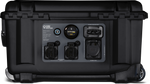 Batt Pack Energy | 3kW
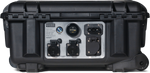 Batt Pack Pro | 5kW
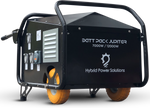 Batt Pack Jupiter | 7kW
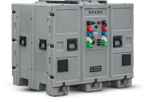 Spark Cube | 12kW/24kW
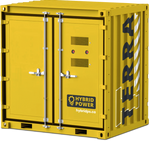 TERRA | 166kVA
Resources

Best Diesel Generator Alternative for Industrial Power Needs
The most practical diesel generator alternative for industrial, remote, and mission-critical sites is a battery-hybrid power system built on LiFePO4 chemistry with multiple charging inputs, solar, alternator, grid, and generator augmentation. These systems cut fuel logistics, run silently with a low thermal signature, and deliver continuous runtime by drawing from whichever input is available. Power tiers now scale from 3kW portable packs to 167 kVA mobile microgrids, covering everything from drone deployment to utility-scale rental fleets.
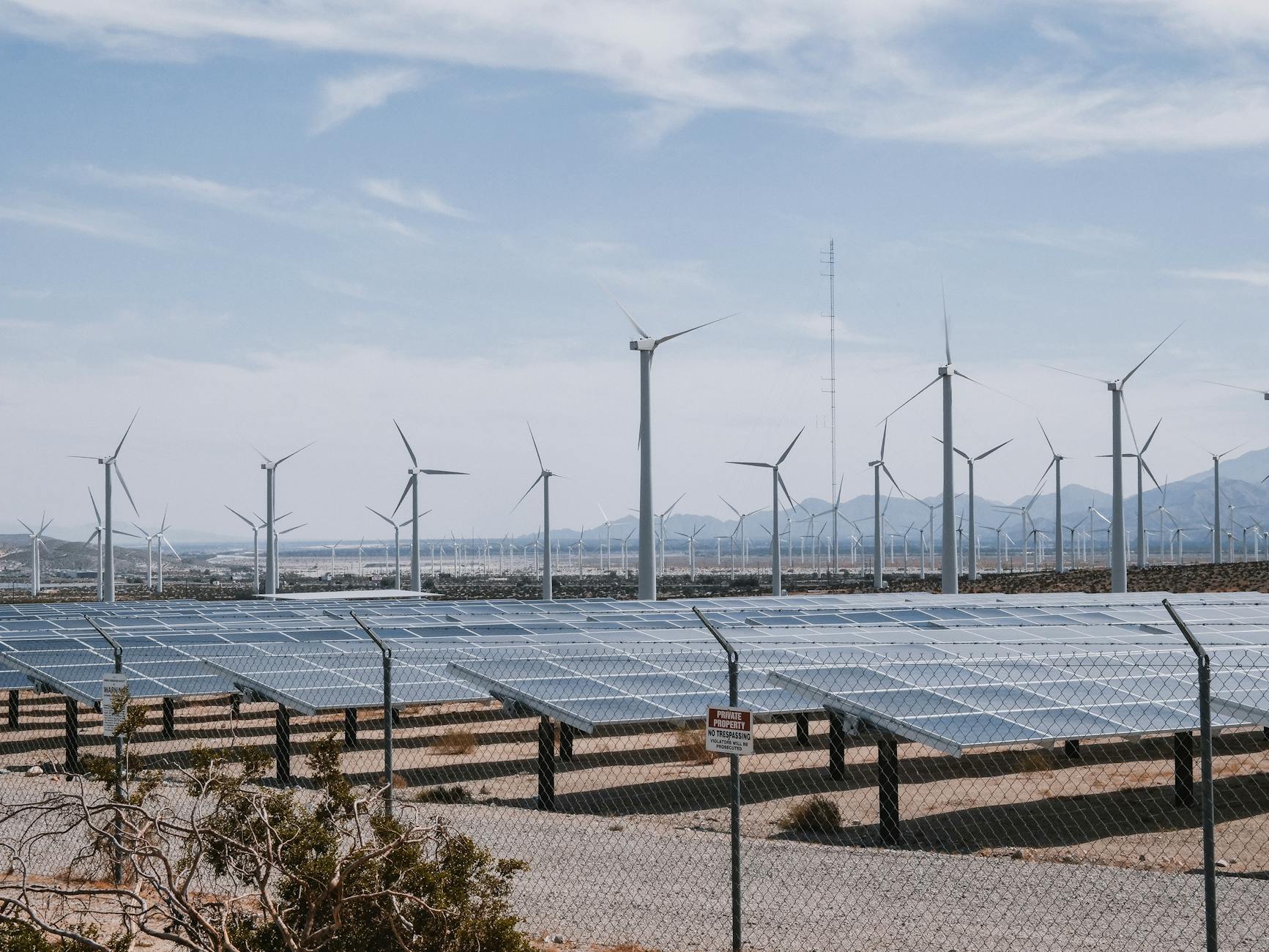
1. Battery-Hybrid Power Systems as a Diesel Generator Alternative
A battery-hybrid system works as a genuine diesel generator alternative because it draws from multiple charging sources instead of one fuel tank. Solar, vehicle alternator, grid, or a generator can all top up the same battery bank, so the site never depends on a single supply chain to keep running.
That multi-input design is what separates a supplement from a replacement. A generator-only setup fails the moment fuel runs out or a supply truck is delayed; a hybrid system keeps drawing from whichever input is available, including intermittent ones like solar or a parked vehicle's alternator. For a broader industry perspective on how these options stack up, see this comparison of alternatives to diesel generators for industry decision-makers.
Why Defense and Security Organizations Prefer Hybrid Systems Over Diesel
Fuel logistics is the core driver for defense and remote-site operators. Fewer resupply convoys mean less time on exposed routes, reduced fuel storage risk on base, and lower overall exposure for personnel moving diesel through contested or remote terrain. This is one of the clearest reasons a diesel generator alternative gains traction in defense contexts before it does anywhere else.
Fuel-Logistics and Supply-Chain Advantages in Remote Locations
LiFePO4 chemistry underpins the safety and longevity case for these systems, offering more stable thermal behaviour and longer usable life than generic lithium-ion packs, without the fire risk profile associated with older chemistries. This makes hybrid systems better suited to defense, remote industrial sites, and rental fleets than residential backup, where duty cycles and risk tolerance are entirely different. Hybridps builds and assembles its systems domestically in Canada, a supply-chain advantage that most competitors, who import components or finished units, cannot offer when parts or support are needed fast.
2. Multi-Input Hybrid Systems (Solar + Alternator + Grid)
Combining solar, alternator, and grid inputs keeps a battery bank charged continuously, so runtime never collapses when a single source drops out. This is what makes a multi-input hybrid system a stronger diesel generator alternative than a single-source battery unit.
How Multi-Input Charging Extends Runtime and Reduces Fuel Consumption
Each input charges the battery bank independently. A cloudy day cuts solar output, a stationary vehicle stops alternator charging, or a site loses grid access, but the battery bank keeps discharging because it isn't tied to any one source. When a generator is kept in the mix as a backup input, it only needs to run to top up the battery rather than power the load directly, which cuts generator run-hours significantly even though diesel hasn't been eliminated entirely.
The Role of LiFePO4 Chemistry in Safety and Cycle Life
LiFePO4 cells tolerate the frequent partial charge-discharge cycles this kind of multi-input operation demands, with more stable thermal performance than typical lithium-ion alternatives. This setup suits construction and utility contractors who need continuous power across sites with variable conditions, shaded work zones, idle equipment, or unreliable grid tie-ins. Hybridps scales this through distinct product tiers, Batt Pack Energy 3kW, Pro 5kW, and Jupiter 7kW, letting contractors size power to the job instead of overbuying a single fixed-capacity unit.
3. Mobile Hybrid Microgrids for Mission-Critical and Defense Use
Mobile hybrid microgrids give defense and disaster-response teams redundant power that keeps running even if one source or unit fails. For mission-critical loads, this tier is often the most credible diesel generator alternative available today.
Redundancy and Failover for Critical Infrastructure and Disaster Relief
The battery buffer is what makes this work: loads stay powered while the system switches between inputs, so there's no gap in supply. A standalone diesel generator has no such buffer, if it fails, the load drops instantly. That single point of failure is unacceptable for command posts, field hospitals, or communications infrastructure.
Maintaining Power Delivery During Grid Outages
Low acoustic and thermal signature matters as much as redundancy for defense units. A quiet, low-heat power source supports operations where noise discipline or thermal detectability is a tactical concern, something a running diesel engine can't offer. This tier is built for defense units, emergency response teams, and disaster relief coordinators who need power that mobilizes fast and fails gracefully. Hybridps's TERRA 167 kVA / 162 kWh platform is the flagship option here, a mission-ready capacity tier that competitors capped at lower kW ranges simply can't match. For a broader look at how data centers and critical facilities are approaching this shift, see this overview of replacements for diesel generators in data centers.
4. Cold-Weather Hybrid Systems for Extreme Remote Deployment
Genuine cold-rated hybrid systems operate reliably down to -30°C, a threshold most battery power units never test for or claim.
Operational Temperature Range of LiFePO4 Hybrid Systems
That -30°C rating is a hard differentiator against systems designed for temperate climates and merely marketed as "cold-capable." Thermal management inside the battery pack matters more than raw capacity in these conditions, a high-capacity unit that can't regulate its own internal temperature will underperform or shut down long before a smaller, properly managed system does.
Canadian-Made Engineering for -30°C Deployment
This makes cold-rated hybrid systems the practical choice for northern mining operations, remote infrastructure projects, and winter construction sites where diesel faces its own cold-start and fuel-gelling problems. Hybridps engineers its systems in Canada specifically for these conditions from the ground up, rather than adapting a design built for a temperate-climate market, the kind of retrofit approach common among imported competitors. For more information, see Enso.

5. Low-Noise, Low-Emission Systems for Compliance-Sensitive Sites
Battery-powered systems produce no combustion noise or exhaust, letting job sites meet strict local noise and emissions rules without added hardware.
Low Acoustic and Thermal Signature Benefits for Noise-Restricted Sites
Because there's no engine or exhaust stroke, battery discharge eliminates the combustion noise that triggers municipal noise bylaws, no mufflers, acoustic enclosures, or scheduling restrictions needed to stay compliant. This also lowers thermal and acoustic detectability, relevant for security operations working in populated or sensitive areas.
Emissions Standards Contractors and Utilities Must Meet
The same mechanism supports emissions compliance for contractors working near residential zones or environmentally protected areas, where diesel exhaust invites regulatory scrutiny. This approach fits urban construction, environmentally regulated industrial sites, and any operation needing to stay under the radar. The practical model most sites adopt: run on battery power day-to-day and keep a generator strictly as backup input, satisfying compliance requirements while retaining diesel as a fallback rather than the primary source.
6. Right-Sized Battery Packs for Construction and Industrial Workloads
The right diesel generator alternative depends on matching power tier to job site load rather than picking the biggest unit available.
What Power Tier Matches Your Job Site Requirements
Consider how typical loads map to power tiers:
- 3kW pack: tool charging and small equipment runs
- 5kW unit: mixed crew loads with power tools, lighting, and small compressors running together
- 7kW platform: larger site loads like welders or bigger pumps
- 12–24kW platforms: multi-crew operations spanning trailers, lighting towers, and heavier equipment
Sizing below your peak load causes nuisance shutdowns; sizing far above it wastes capital sitting idle.
Balancing Battery Capacity, Solar Input, and Generator Augmentation
Sites with consistent sun exposure can lean on solar charging to stretch battery capacity across multi-day deployments. Sites with variable weather need a generator or grid tie-in as a charging input to avoid running batteries down mid-shift. This is best for construction site managers and industrial rental fleets standardizing on modular power across multiple locations. Hybridps configures the Batt Pack Pro and Jupiter platforms specifically for construction workloads, not as generic industrial units repurposed for the job site.
7. Battery Storage vs. Hydrogen Fuel Cells for Backup Power
Battery-hybrid systems respond to load changes instantly, while hydrogen fuel cells depend on fuel processing steps and refueling infrastructure that isn't deployable everywhere today.
Why Battery-Hybrid Systems Outperform Hydrogen Fuel Cells on Response Time and Uptime
A battery bank discharges the moment a load calls for power. Fuel cells convert hydrogen through an electrochemical stack that needs warm-up and fuel delivery management, adding lag between demand and output. For sites where a dropped load means stalled equipment or a failed shift, that response gap matters more than any theoretical energy density advantage. It's another reason a battery-based diesel generator alternative tends to win out over hydrogen in practice, even where hydrogen infrastructure exists.
Supply-Chain and Regional Availability Challenges for Hydrogen
Hydrogen refueling stations remain sparse and unevenly distributed compared to the charging options a battery system already accepts, solar, grid, alternator, or generator. This is an infrastructure maturity problem, not a technology limitation: hydrogen can work in a lab or a pilot program, but most remote sites have no fuel supply chain to support it. Best for teams that need proven, deployable-today technology rather than betting a project timeline on infrastructure that hasn't reached their region yet.
8. Rental Hybrid Power Packs for Seasonal and Project-Based Work
Renting a hybrid power pack fits short-duration or unpredictable-scope projects, while buying makes sense for sites with continuous, multi-year power demands.
Cost and Flexibility Trade-Offs Between Purchasing and Renting
A rented unit avoids tying up capital in equipment that sits idle once a seasonal contract ends. Sites with defined, recurring power needs over several years typically get better long-term value from ownership, since rental costs compound over repeated deployments. The decision comes down to project duration and how confidently you can forecast future load.
How Rental Options Support Rapid Deployment for Emergency Response
Disaster relief and emergency response work can't wait on procurement cycles, units need to be on-site within a compressed timeline, sometimes days. Rental fleets that stock pre-configured hybrid packs can move faster than a purchase order allows. This is best for rental fleets, contractors with seasonal demand swings, and disaster relief agencies. See the Buy or Rent and Portable Power Packs pages for a deeper breakdown of which model fits your deployment pattern.
How to Choose the Right Diesel Generator Alternative
Match peak load, climate, compliance rules, site access, and project duration to a power tier before comparing brands or unit prices.
Start with a short checklist:
- Peak load and duty cycle, what's the highest simultaneous draw, and how long does it run per day
- Ambient temperature range, cold-weather sites need equipment rated for sustained sub-zero operation
- Noise and emissions restrictions, some sites carry regulatory or contractual limits that rule out diesel entirely
- Remote vs. grid-connected access, determines whether solar or generator charging inputs are needed alongside battery capacity
- Project duration, short-term work favours rental, multi-year deployments favour purchase
Map those factors to a power tier instead of defaulting to the largest unit on the list. A 3kW pack covers tool charging; a 5kW or 7kW platform suits mixed crew loads; 12–24kW units serve multi-crew sites; a 167 kVA platform like TERRA is built for continuous, large-scale or defence-grade loads. Oversizing wastes capital, undersizing causes shutdowns mid-shift. Whichever tier fits, the goal is the same: choose a diesel generator alternative sized to actual demand, not to the biggest number on a spec sheet.
Total cost of ownership favours battery-hybrid systems qualitatively: no fuel logistics, longer intervals between maintenance, and no compliance penalties for noise or emissions, weighed against a higher upfront investment tier than a comparable diesel unit. For sites that need a deep reserve margin or run loads beyond current battery capacity, a generator-inclusive hybrid setup still makes sense as backup power rather than a full battery-only replacement.

Frequently Asked Questions
What permitting or interconnection steps are needed to deploy a hybrid power system on an industrial site?
Most standalone battery-hybrid deployments need less permitting than a diesel generator because there is no fuel storage, emissions permit, or noise variance to file for. If you add solar charging or tie into grid power, you may still need an electrician's sign-off for interconnection hardware. Portable units like Batt Pack systems are typically classified as equipment rather than fixed installations, which simplifies site approval on temporary job sites and remote work zones.
How do fuel costs and maintenance compare between diesel generators and battery-hybrid systems over several years?
Diesel generators carry ongoing fuel purchases, delivery logistics, and scheduled engine maintenance; battery-hybrid systems eliminate fuel spend entirely and require far less mechanical upkeep. Over a multi-year deployment, diesel costs compound with fuel price volatility and downtime for oil changes, filters, and engine wear. A LiFePO4 system's main costs are upfront hardware and periodic charging infrastructure, with no combustion parts to service. Site managers weighing total cost of ownership should factor in fuel supply-chain risk in remote locations, not just per-litre price.
Can a hybrid power system fully replace a diesel generator, or should diesel remain as backup?
A properly sized hybrid system can fully replace diesel for most continuous and intermittent loads, especially with solar or alternator charging built in. For sites with extreme, sustained peak demand, some operators keep a smaller diesel unit as a backup input rather than the primary source. Multi-input systems like Spark Cube accept generator charging too, so diesel becomes a contingency, not the daily workhorse.
How quickly can a hybrid power system be mobilized for emergency response or disaster relief?
Portable battery-hybrid units deploy in minutes because there is no fuel delivery, engine warm-up, or noise-permitting delay to manage. Units like Batt Pack Pro arrive pre-configured and ready to connect, which matters when disaster relief teams need silent, immediate power at a staging area or field hospital before infrastructure is assessed.
Do hybrid power systems work in off-grid locations with no existing electrical infrastructure?
Yes, hybrid systems are built for exactly this scenario, combining battery storage with solar, alternator, or generator charging inputs. Mining sites, forward operating bases, and remote construction camps use them as standalone microgrids without any dependency on utility grid access.
Conclusion
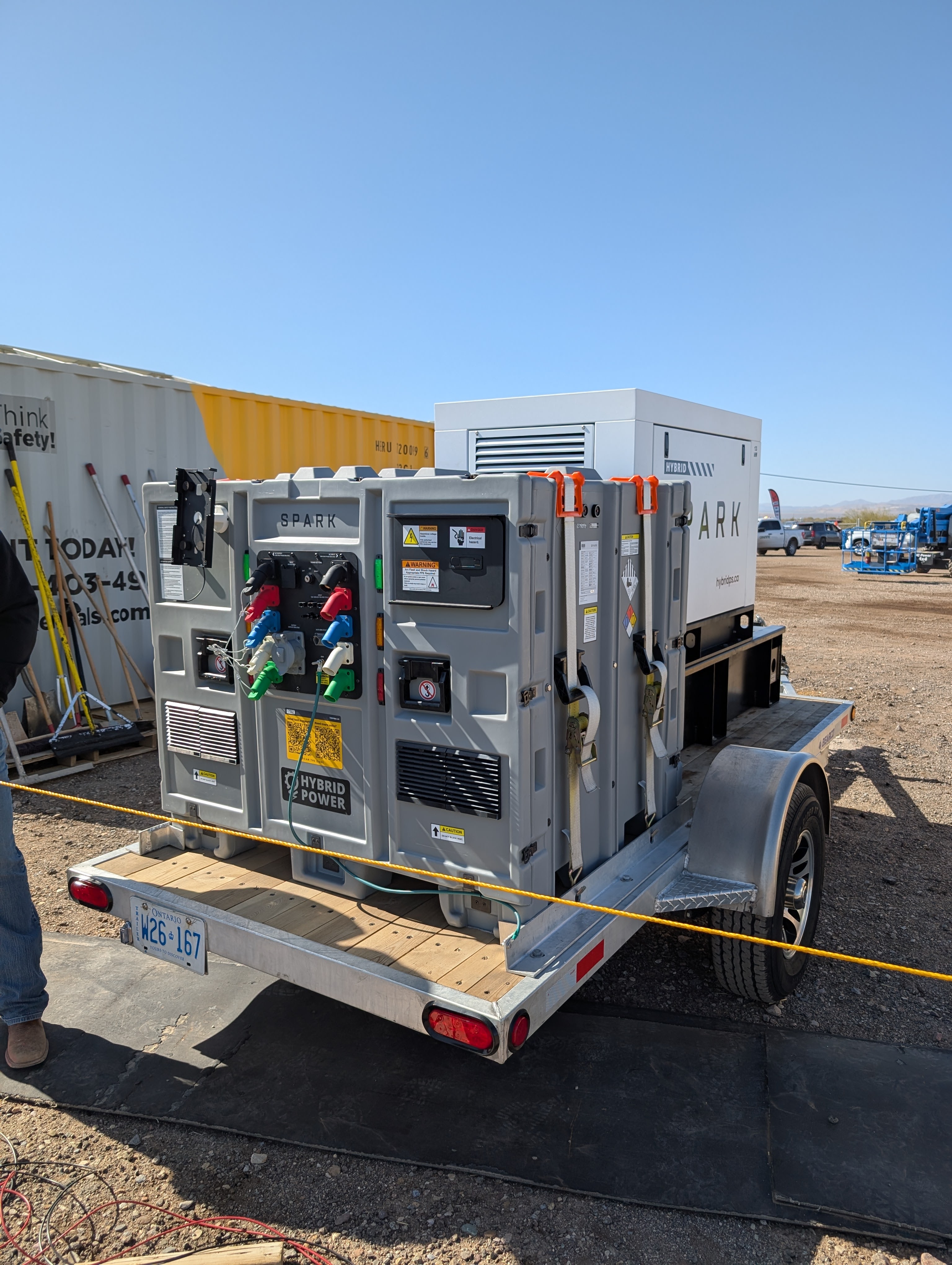
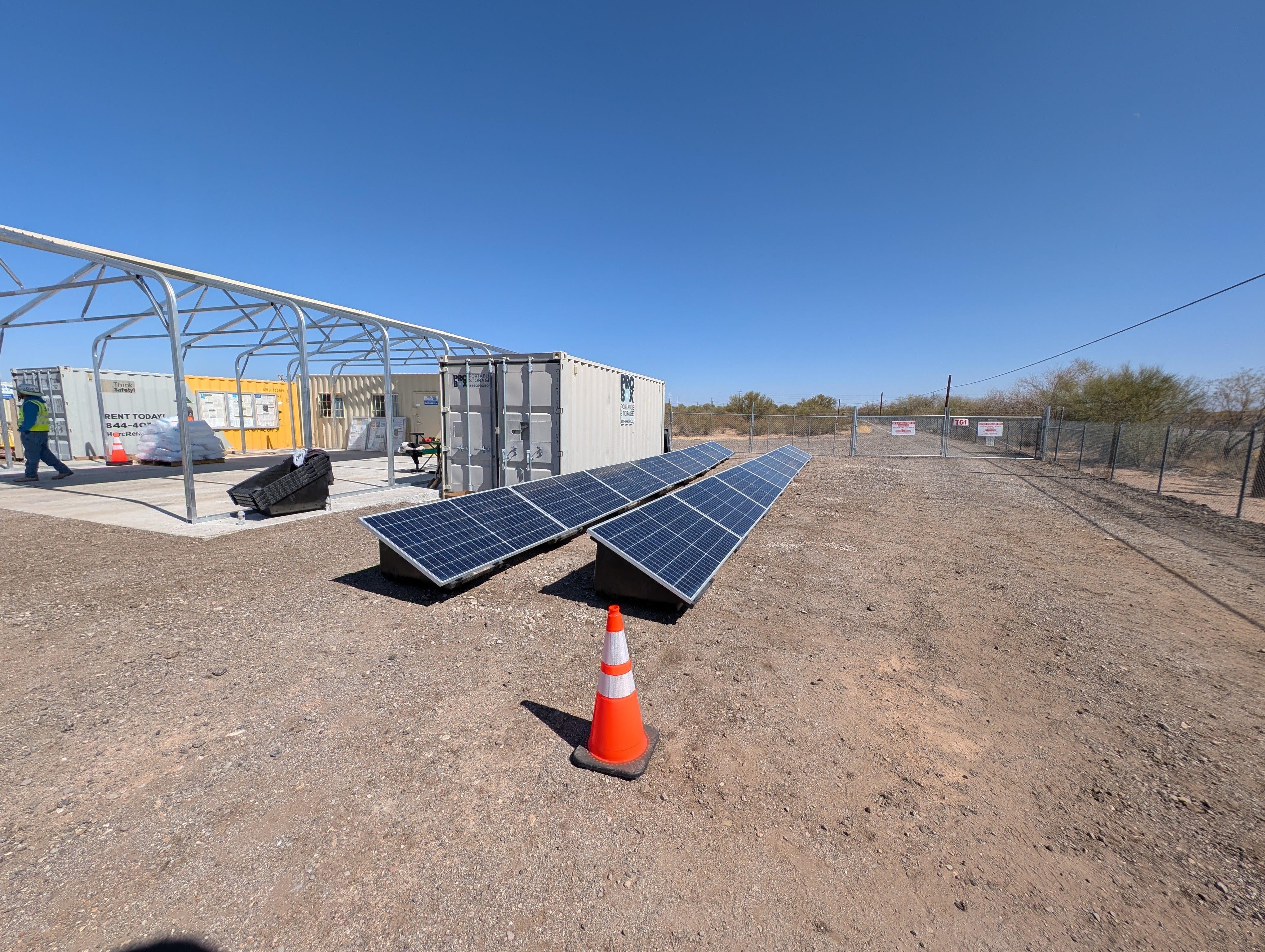
Replacing a diesel generator isn't a single swap, it's matching power tier, charging inputs, and temperature rating to your site's actual demands. For job sites, that means sizing a Batt Pack or Jupiter unit to daily loads. For defence and remote operations, it means prioritizing low acoustic signature and multi-input charging over raw fuel savings alone. Extreme-cold rated, Canadian-built systems close the reliability gap that stops many operators from dropping diesel entirely, making a well-matched diesel generator alternative a realistic choice rather than a compromise.
Start by auditing one site's current fuel and maintenance spend over the last 12 months, then request a configuration sized against that baseline.
Recommended Articles
Explore more from our content library:
- Comparing Today's Top Industrial Battery Storage Systems
- How an Industrial Hybrid Power Unit Delivers Real Efficiency
- How to Set Up Off-Grid Power in Simple Steps
- A Complete How-To Guide on How to Power Construction Sites
- Why Hybrid Generators Are a Better Choice Than Diesel Alone