

Products
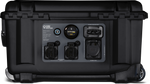 Batt Pack Energy | 3kW
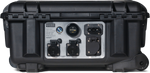 Batt Pack Pro | 5kW
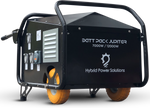 Batt Pack Jupiter | 7kW
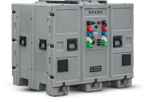 Spark Cube | 12kW/24kW
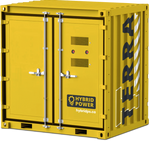 TERRA | 166kVA
Resources

Hybrid Power Systems Explained: A Complete Guide
Understanding what is hybrid power system is essential. A hybrid power system combines battery storage (LiFePO4) with two or more charging inputs, solar, alternator, generator, or grid, so a site or vehicle gets continuous, lower-emission runtime instead of relying on one fuel source. The battery handles the base load silently while the generator or solar tops it up only when needed, cutting fuel burn, noise, and thermal signature. For defence, rental, and construction operators, this means less convoy risk, fewer refuels, and power tiers from a few kilowatts up to a 167 kVA continuous microgrid.
What Is a Hybrid Power System and How Does It Combine Multiple Power Sources?
The architecture puts a LiFePO4 battery bank at the centre and treats every fuel or energy source as an interchangeable input that recharges it on command. Answering what is hybrid power system starts with that one design decision: the battery carries the load, and everything else, solar, alternator, generator, grid, just feeds it back up.
What Role Does LiFePO4 Battery Storage Play in a Hybrid Power Architecture?
The LiFePO4 bank is the buffer that absorbs charge from any available input and discharges it to the site or vehicle as continuous, clean power. Power electronics and a battery management system sit between the battery and every input, deciding what charges, when, and how fast.
LiFePO4 specifically, not generic lithium-ion, matters because of what field deployment actually does to a battery. Repeated deep discharge cycles and wide temperature swings degrade standard lithium-ion chemistries faster, while LiFePO4 holds up through more cycles and stays thermally stable under the kind of daily drain-and-recharge pattern a construction site or forward operating base puts it through.
How Do Solar, Alternator, Generator, and Grid Inputs Work Together in a Hybrid System?
Input prioritization follows a simple rule: free or already-available power charges the battery first, and the generator only runs when nothing else is topping it up. Solar panels or grid connection feed the bank whenever present. A vehicle alternator trickle-charges it during transit. The generator starts on a schedule the operator sets, often a short daily cycle, to bring the battery back to full, rather than running continuously to carry the entire electrical load the way a standalone diesel unit must [2]. That distinction separates a hybrid system from a single-source generator. A generator with no battery buffer has to run the whole time power is needed, burning fuel at idle and under light load, producing constant noise and heat signature. A hybrid system can let the generator run in short, efficient bursts, or skip it entirely on days when solar or grid covers the recharge [1].
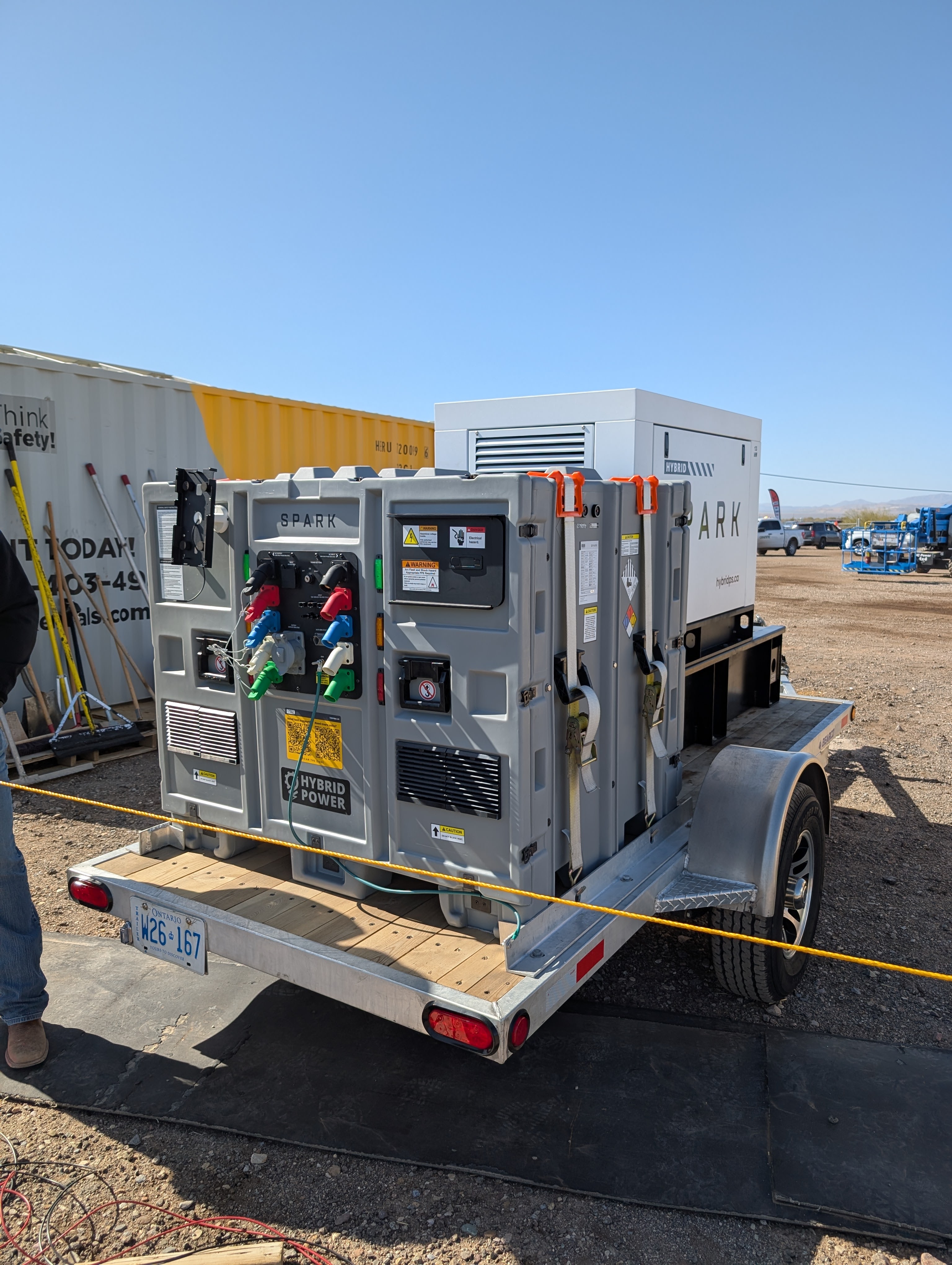
Scale is where the product range matters. A Batt Pack Energy, Pro, or Jupiter (3kW to 7kW) handles single-tool or small-site power, running a few trades on a job site or keeping a tactical position lit without a generator running nearby. Step up to Spark Cube at 12kW or 24kW for larger equipment loads, and TERRA, rated at 167 kVA continuous (250 kVA peak) with 162 kWh of storage, functions as a whole-site hybrid microgrid capable of running multiple loads across a remote camp or forward base indefinitely, provided its charging inputs stay scheduled.
How Do Battery-Based Hybrid Systems Deliver Continuous Runtime Compared to Diesel-Only Generators?
A hybrid system keeps power flowing by letting a LiFePO4 battery buffer demand while power electronics decide, moment to moment, whether to draw from storage, solar, or a generator. That buffering is the mechanical answer to what is hybrid power system in practice, it is not one source replacing another, it is a control layer deciding which source to use and when.
What Runtime and Fuel Efficiency Gains Can You Expect from Hybrid Versus Diesel-Only Operation?
Diesel-only runtime is bounded by two hard limits: tank capacity and how fast you can get a fuel truck back to site. On a remote job site or a forward operating base, that second constraint often matters more than the first, a full tank means nothing if the refuel convoy is delayed by weather or terrain [1]. Hybrid runtime isn't bounded the same way. The battery absorbs load swings and covers demand between charge cycles, so total runtime becomes a function of recharge opportunity, solar exposure, alternator time, grid access, or generator hours, rather than a fixed fuel reserve.
That shift changes how the generator itself gets used. In a diesel-only setup, the generator often idles or runs under light load for hours to cover a small continuous draw, which is an inefficient way to burn fuel [1][2]. In a hybrid configuration, the generator's job is to recharge the battery, so it can run fewer hours at a load point closer to its efficient range, then shut off while the battery carries the site [2]. Less idle time means less fuel burned per kilowatt-hour delivered, along with fewer running hours accumulating against maintenance intervals.
How Does Automatic Load-Switching and Power Electronics Control Maintain Uptime in Hybrid Systems?
Power electronics inside the system monitor battery state of charge continuously and decide when to start the generator, draw solar, or pull from the battery alone, without an operator flipping a switch [2]. When charge drops to a set threshold, the controller starts the generator automatically; when the battery is topped up, it stops the generator and switches back to stored power. That automatic handoff closes the gap that causes outages in diesel-only systems: a dead battery or an empty tank with no buffer in between.
This buffering also rides through windows that would otherwise cut power entirely, a generator oil change, a refuel stop, or an unexpected fault. The battery carries the load during that window instead of the site going dark. Runtime expectations still scale with power tier: a portable pack like Batt Pack Pro 5kW covers tool and small-site loads, while a hybrid microgrid built around TERRA's 167 kVA continuous output is sized for whole-site, continuous-duty power where downtime isn't an option.
What Are the Key Differences Between Hybrid Power Systems and Traditional Single-Source Generation?
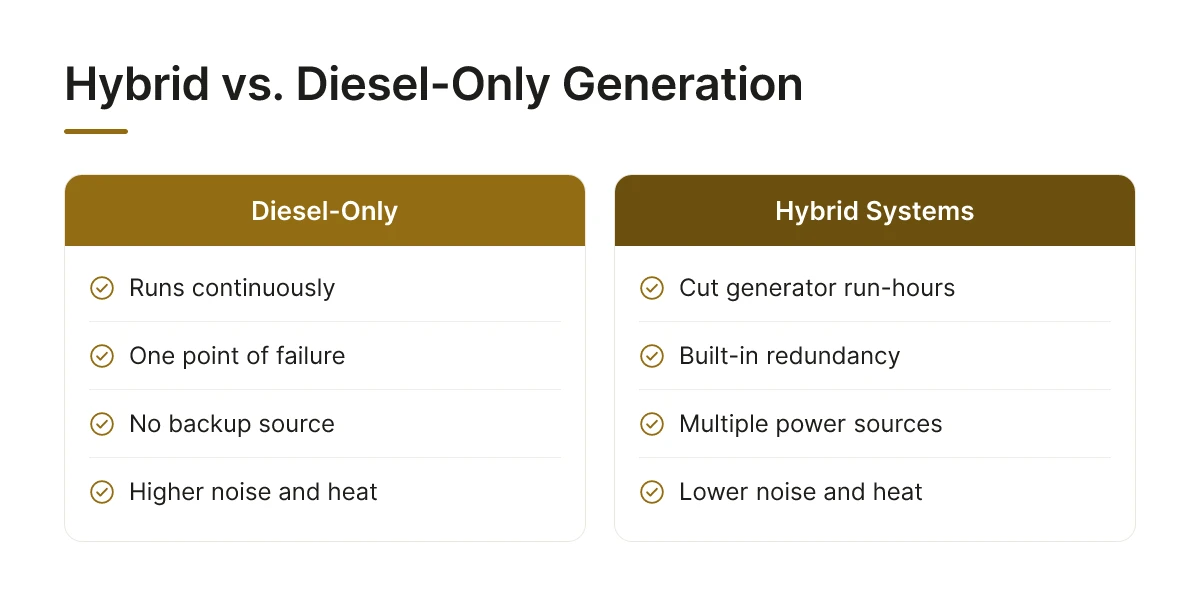
Hybrid systems cut generator run-hours, lower noise and heat output, and add redundancy, diesel-only setups run continuously with one point of failure and no backup.
Answering what is hybrid power system in practical terms means comparing it against the diesel-only baseline most sites already run. The two approaches diverge on fuel pattern, maintenance load, acoustic and thermal signature, and how costs land over a deployment. The table below lays out those differences as buyers actually evaluate them, not as marketing claims, but as operational tradeoffs.
| Dimension | Diesel-Only Generator | Hybrid Power System |
|---|---|---|
| Fuel consumption pattern | Continuous burn, even at partial load | Battery covers base load; generator cycles only to recharge |
| Maintenance interval | Frequent, tied to total run-hours | Extended, generator run-hours drop sharply |
| Noise level | Constant, audible at distance | Silent on battery; intermittent during recharge cycles |
| Thermal signature | Continuous heat output while running | Low signature on battery power; limited to recharge windows |
| Emissions profile | Constant exhaust output | Reduced, emissions only during generator charging cycles |
What Cost, Emissions, and Maintenance Advantages Do Hybrid Systems Offer Over Conventional Generators?
Diesel-only operations carry ongoing cost exposure, fuel burn, resupply convoys, and labour scale with every hour the engine runs [1]. A mobile hybrid battery energy storage system shifts that math: pairing a generator with battery storage lets the generator charge the system rather than run continuously, cutting fuel consumption and the emissions tied to it [1].
Maintenance follows the same logic. Oil changes, filter swaps, and engine wear cycles are all a function of run-hours, fewer hours means fewer service events over a deployment. Hybrid configurations also shift spend toward upfront capital rather than recurring fuel and logistics overhead, which matters for rental fleets and construction crews tracking total cost of ownership across a job, not just daily fuel draw.
Why Do Hybrid Systems Reduce Acoustic and Thermal Signature Compared to Diesel-Only Alternatives?
Lower noise and heat output aren't comfort features, they're operational requirements for defence detectability and construction site permits. A forward operating base running a generator around the clock produces a constant acoustic and thermal signature that's detectable at range; battery-powered operation during quiet hours removes that exposure. Hybridps builds its Batt Pack and TERRA systems around this exact requirement, LiFePO4 storage with multiple charging inputs so the generator runs only when needed, not continuously.
Construction crews face a parallel problem: night work near residential zones often runs into noise bylaws or permit restrictions that a diesel generator simply can't satisfy. Single-source diesel also has no redundancy, if the generator fails, power stops. A hybrid system keeps battery power available while the generator is serviced, which single-source setups cannot offer.
What Industries and Mission-Critical Applications Benefit Most from Hybrid Power Systems?
Defence forward operations, equipment rental fleets, and construction job sites gain the most from hybrid power systems, each for a different operational reason tied to logistics, uptime, or noise.
Understanding what is hybrid power system value looks like in practice means looking at where diesel-only power creates the biggest operational drag, fuel convoys, engine wear, or noise complaints, and matching that against what battery-generator hybrids actually fix.
How Do Defence, Construction, and Remote Off-Grid Operations use Hybrid Power for Lower Logistics Burden?
Forward operating bases depend on fuel convoys, and every convoy is a target and a cost. A hybrid system that pairs battery storage with a generator cuts how often that generator needs to run, which directly reduces the number of fuel resupply trips a unit needs to schedule [1]. Lower run-time also means a lower acoustic and thermal signature, less noise and heat for adversaries to detect, which matters as much as fuel savings in forward deployments. Hybridps's TERRA mobile hybrid microgrid is built for exactly this case: continuous and peak output sized for whole-base power, not just a single tool or vehicle, with battery storage absorbing load swings so the generator runs only when needed. Field teams also use the same platform to recharge tactical and reconnaissance drones without adding a separate fuel-fed power source.
Equipment rental fleets face a different version of the same problem: engine wear. Diesel units that run continuously on a job site rack up maintenance hours and downtime between rentals. Battery-based units with far fewer moving parts hold up better under repeated rental cycles, which is why Hybridps offers Portable Power Packs under a buy-or-rent model, fleets get a durable unit without the engine-hour maintenance schedule diesel rental stock demands.
Construction sites get a more immediate benefit: silence. Noise-restricted sites near residential areas can run overnight power, lighting, tool charging, trailer loads, without the generator hum that draws complaints. The Batt Pack Pro and Jupiter scale from single-tool power up to whole-site loads, so a site doesn't need a different system as its power draw grows through different project phases [2].
Utility and service fleets represent a smaller but growing case: alternator input lets a battery pack recharge while the truck is driving, so crews arrive on-site with power ready instead of idling an engine to run tools.
What Compliance and Regulatory Advantages Do Hybrid Systems Provide for Industrial and Commercial Sites?
Lower emissions and reduced noise output help sites stay inside local noise ordinances and emissions targets without the operator having to track a specific statute. That's a practical advantage for site managers juggling multiple jurisdictions, the hybrid system's quieter, cleaner operating profile does the compliance work passively, rather than requiring separate mitigation equipment or schedule restrictions.
How Do You Size and Configure a Hybrid Power System for Specific Operational Requirements?
Sizing a hybrid power system starts with four numbers: continuous load, peak surge, required runtime, and the number of charging inputs the site can support.
Answering what is hybrid power system sizing in practice means working from the load up, not the product down. Get the continuous and peak loads wrong and you either overpay for capacity you don't use or deploy a unit that trips under surge conditions, a drill motor starting up, a welder cycling, radar electronics spiking on a forward operating base. Runtime matters just as much: a site with daily vehicle access to recharge an alternator-fed pack has very different requirements than a remote position that might go a week without resupply.
What Are the Design Criteria for Selecting Battery Capacity, Power Tier, and Multi-Input Configuration?
Four criteria drive the selection: continuous load in kW, peak/surge load, runtime between recharge opportunities, and the number of simultaneous charging inputs the site offers, solar, alternator, grid, or generator.
Load profile maps fairly cleanly to product tier. Single-tool or small-crew applications, lighting, hand tools, a drone recharge station, a sensor array, fit the Batt Pack Energy (3kW), Pro (5kW), or Jupiter (7kW) tier. Job sites running multiple circuits at once, such as a construction trailer with HVAC, tools, and lighting on separate loads, move up to the Spark Cube at 12kW or 24kW. Whole-site power or a forward operating base running communications, shelters, and vehicle charging simultaneously calls for TERRA, rated at 167 kVA continuous and 250 kVA peak with 162 kWh of storage, a different power class entirely from briefcase-style portable packs.
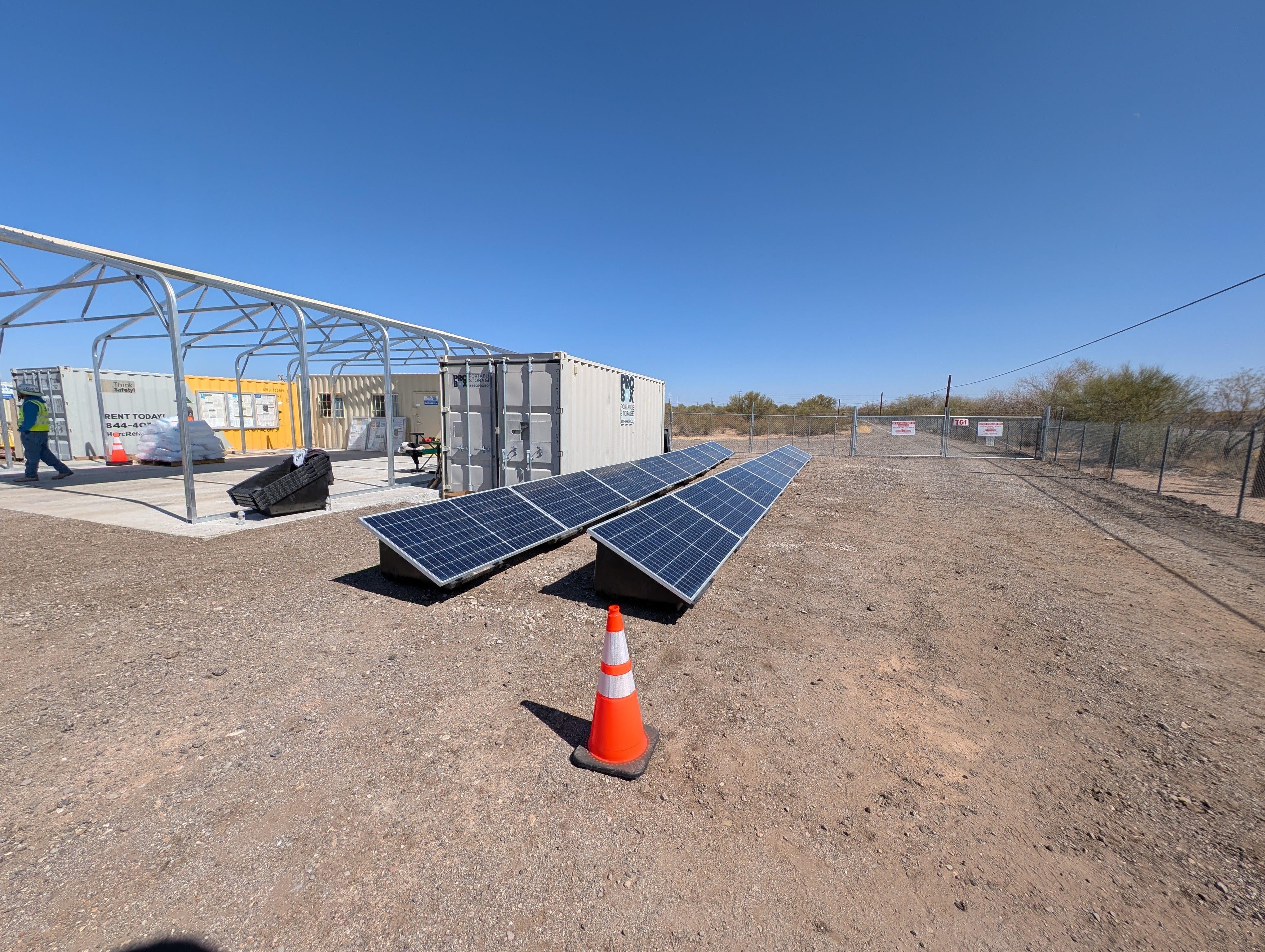
Input configuration follows load, not the other way around. A site with reliable sun exposure and open ground supports solar-first charging; a site with regular vehicle traffic favours alternator input; a fixed facility near grid infrastructure can use grid as primary with battery for outage bridging. Most defence and remote industrial deployments plan for at least two input types so no single failure point takes down the whole power plan.
How Do Environmental Factors Like Temperature Rating and Portability Affect Hybrid System Selection?
Temperature rating and physical form factor narrow the product choice once load sizing is done, especially for Arctic, northern, or highly mobile deployments.
Systems rated to -30°C matter for northern Canadian sites, Arctic defence operations, and winter construction schedules where cold-start failures and fuel gelling disable conventional generators. Portability is the second filter: a Towable Trailer Mount suits a mobile convoy or a site that relocates monthly, while a Spider Box distribution setup suits a fixed site powering multiple distributed loads from one source.
The design sequence: establish worst-case continuous load, add margin for peak/surge, then choose the input mix based on what the site actually has, sun, vehicles, grid, or none of the above. For defence and government buyers, Canadian engineering and assembly also matters for procurement, giving supply-chain control that imported systems can't offer.
Frequently Asked Questions
Can a hybrid power system fully replace a diesel generator on a job site?
Yes, for most construction and remote-site loads, a properly sized hybrid system can replace diesel entirely for extended stretches. Units like the Batt Pack Pro 5kW or Jupiter 7kW handle overnight and daytime site loads on stored charge, pulling from solar or grid when available. For continuous heavy draw, pairing battery storage with a generator as backup, rather than running diesel alone, still cuts fuel use and runtime hours substantially.
How does a hybrid power system perform in extreme cold?
Hybrid systems built with LiFePO4 chemistry and proper thermal management hold up well in sub-zero conditions, unlike diesel engines prone to fuel gelling and cold-start failure. Hybridps systems are rated to -30°C, a spec relevant for northern construction, Arctic defence deployments, and winter utility work where generator reliability typically drops.
Do hybrid power systems need generator backup, or can they run on battery and solar alone?
It depends on load size and runtime needs, many sites run on battery and solar alone, while others keep a generator as a charging input for continuous operation. A hybrid system's value is in accepting multiple inputs, solar, alternator, grid, or generator, so you can scale down fuel use without being fully dependent on any single source. Site conditions and daily load dictate which configuration makes sense.
What is the difference between a hybrid power system and a portable power station?
A portable power station is typically a single-unit battery pack with fixed capacity, while a hybrid power system integrates multiple charging inputs and can scale across a site. Consumer-grade power stations serve light, short-duration needs. Industrial hybrid platforms, from Batt Pack units up to the TERRA 167 kVA microgrid, support continuous multi-load operation, solar/generator integration, and deployment scales that single-unit power stations aren't built for.
Conclusion
A hybrid power system earns its place on remote sites by solving what diesel alone can't: fuel-logistics risk, noise and emissions exposure, and cold-weather reliability. The takeaway for operations managers is practical, match system size to actual load (Batt Pack for small crews, Spark Cube or TERRA for whole-site or forward operating base power), and treat multi-input charging as the real differentiator over battery-only or diesel-only setups. Before your next remote deployment or contract bid, pull your site's load profile and run it against a hybrid configuration, see Request a Demo to size the right system for your power requirements.
Sources & References
Recommended Articles
Explore more from our content library: