

Products
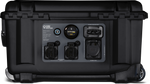 Batt Pack Energy | 3kW
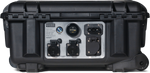 Batt Pack Pro | 5kW
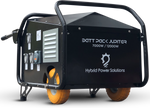 Batt Pack Jupiter | 7kW
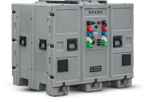 Spark Cube | 12kW/24kW
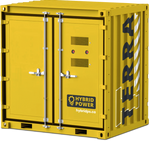 TERRA | 166kVA
Resources

Why Critical Operations Need Hybrid Energy Storage Systems
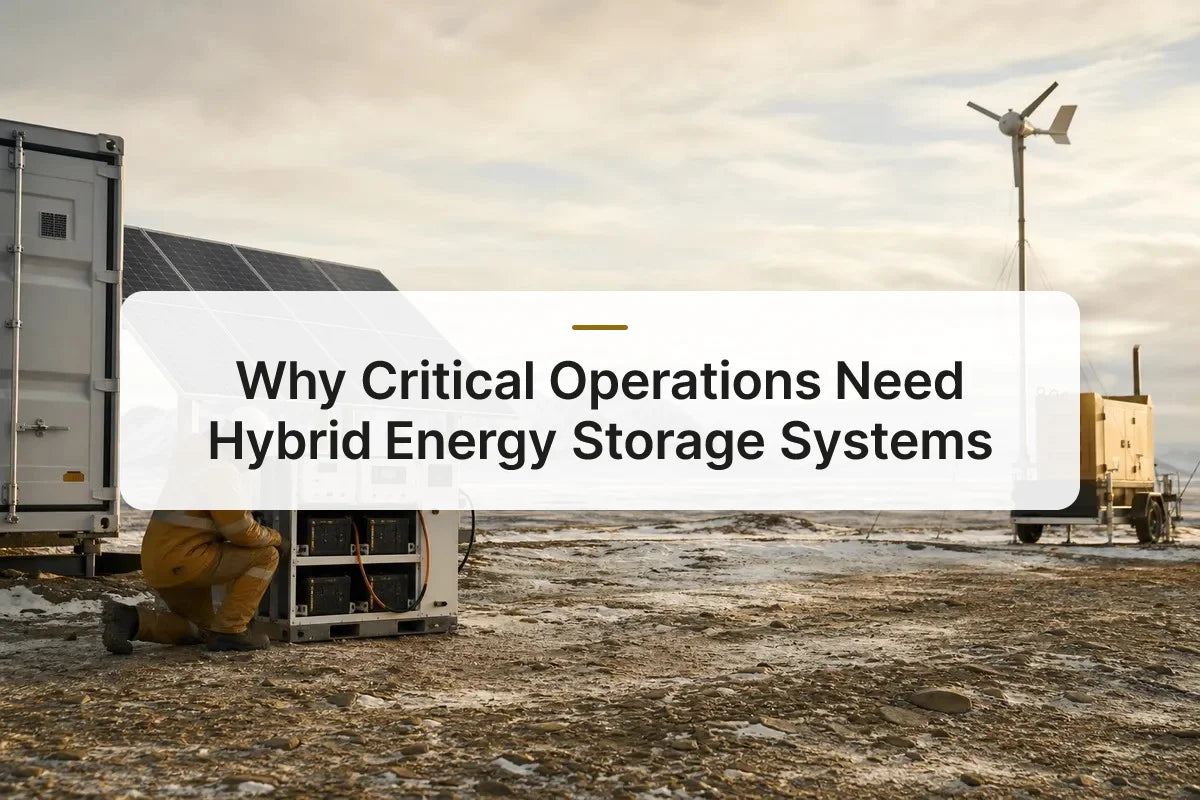
Understanding hybrid energy storage systems is essential. A hybrid energy storage system pairs LiFePO4 battery banks with solar, alternator, and generator inputs so power switches automatically between sources without an interruption. This differs from generator-only setups, which burn fuel continuously and idle inefficiently at partial loads. For defence, remote, and off-grid operations, the hybrid approach cuts fuel convoys, lowers acoustic and thermal signature, and keeps mission-critical loads running through a single point of failure in any one input.
What Is a Hybrid Energy Storage System and How Does It Differ from Generator-Only Power?
A LiFePO4 battery bank carries the continuous load while solar, alternator, or generator inputs recharge it, the generator is a charging source, not the primary power path.
That architecture is the defining feature of hybrid energy storage systems: the battery bank sits between the load and every charging input, so power delivery never depends on one source running without interruption. Hybridps builds this into the Batt Pack line (Energy 3kW, Pro 5kW, Jupiter 7kW) and scales it up through Spark Cube 12/24kW to the TERRA hybrid microgrid, rated at 167 kVA continuous and 162 kWh of storage. In every configuration, the battery absorbs demand spikes and covers the load while a generator or solar array tops up the bank on a schedule, not on demand.
What Are the Disadvantages of Relying on BESS or Diesel Generators Alone?
Generator-only systems burn fuel continuously and run inefficiently at partial load, while battery-only systems hit a hard stop once stored energy runs out.
A diesel generator sized for peak load spends most of its runtime well below that peak, job sites and forward operating bases rarely draw full rated power around the clock. Running a generator continuously at partial load burns fuel inefficiently and adds engine hours, driving up maintenance intervals and fuel convoy frequency. Fuel-only setups also cap total runtime at whatever diesel is on hand, which becomes a logistics liability the moment resupply is delayed.
Battery-only (BESS-only) systems have the opposite problem. Without a recharge path in the field, a battery bank has a finite, fixed runtime, once depleted, the load drops with no way to recover until the unit returns to a charging source [2]. For a remote job site or a tactical position, that's an unacceptable single point of failure. Hybrid energy storage systems exist specifically to close this gap: combining a high-energy storage device like a lithium battery with a charging input gives the system both buffering capacity and a way to replenish itself without leaving the field [1].
How Do Hybrid Systems Improve Power Reliability and Uptime in the Field?
The generator only runs to recharge the battery bank intermittently, not to carry the full load continuously, which cuts runtime hours and failure risk.
Shared DC buses and supervisory controllers manage how power flows between the battery, the load, and whatever charging input is available, directing recharge cycles without interrupting output to connected equipment [2]. This means a generator can idle most of the day, start automatically when the battery needs a top-up, and shut down again, rather than running continuously as the sole power source. Solar panels or vehicle alternators can do the same job silently when conditions allow, which matters for low acoustic and thermal signature requirements at forward operating bases.
This is a reliability question before it's a cost question. Rental fleets need units that survive repeated redeployment without a generator failure stranding a job site; defence operations need power that doesn't advertise its position through noise or heat; construction crews need overnight power that doesn't violate local noise ordinances. In each case, the hybrid design removes the single point of failure that both generator-only and battery-only setups carry on their own.
How Do Battery-Based Hybrid Systems Combine Solar, Alternator, and Generator Inputs for Continuous Runtime?
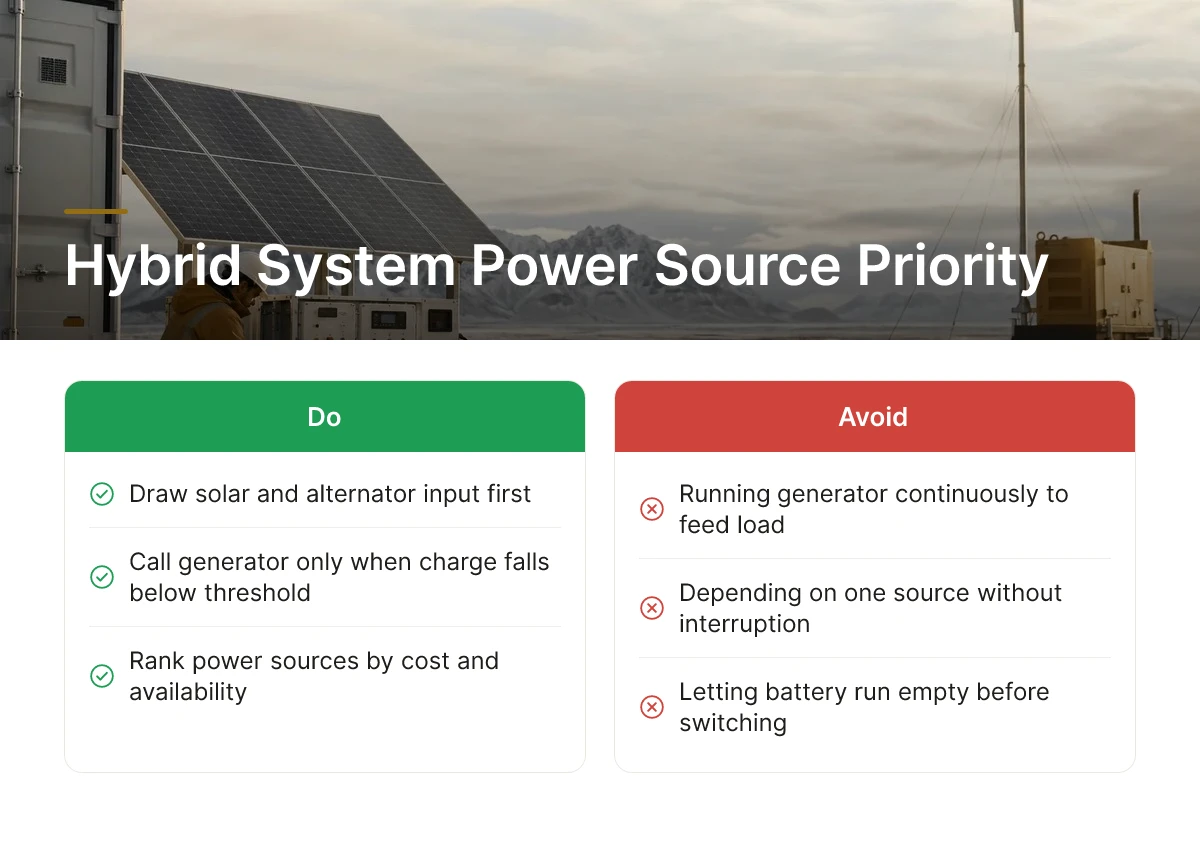
A battery management system ranks each power source by cost and availability, drawing free inputs first and calling the generator only when stored charge falls below a set threshold. That logic is what separates hybrid energy storage systems from a battery pack that simply runs until empty.
What Is the Technical Architecture and Control Logic Behind Seamless Multi-Input Switching?
The controller treats solar and alternator input as free energy and pulls from them whenever either is producing. Grid or generator power only comes online automatically once the battery's state of charge drops below a programmed line, on a job site, that might mean the generator stays off entirely until nightfall or a cloudy stretch depletes the reserve.
The battery bank sits between the inputs and the load, so it buffers the output continuously. Switching sources doesn't interrupt the circuit the way swapping a generator's fuel tank does, or the way hot-swapping a battery pack forces a task pause. The load never sees the transition, it keeps drawing from the bank while the bank's input source changes behind it.
This architecture is the core design logic behind hybrid energy storage systems generally, distinct storage and conversion stages coordinated by a supervisory controller that allocates power according to real-time demand, a pattern consistent with how hybrid systems manage complementary storage devices in grid and renewable applications [2].
How Do Power Converter Efficiency and Response Times Affect Real-World Performance?
Every conversion stage, DC-DC from solar, DC-AC for site loads, loses some energy as heat. Those losses compound: a system with inefficient conversion at two or three stages can lose a meaningful share of each charge cycle before it ever reaches the load, shortening usable runtime even though the battery itself holds its rated capacity.
Response time matters as much as efficiency. If the controller takes too long to detect a dropping input and bring a secondary source online, sensitive electronics see a voltage dip, a real problem for drone recharging stations or control systems that can't tolerate a blip. Fast sensing and switching keeps the output clean across the transition.
The alternator input is built specifically for fleet and vehicle use: a truck or utility vehicle recharges the battery bank in transit, so the unit arrives on site already partly or fully charged instead of starting from zero.
What Makes LiFePO4 the Right Chemistry for Defence, Remote, and Off-Grid Hybrid Storage?
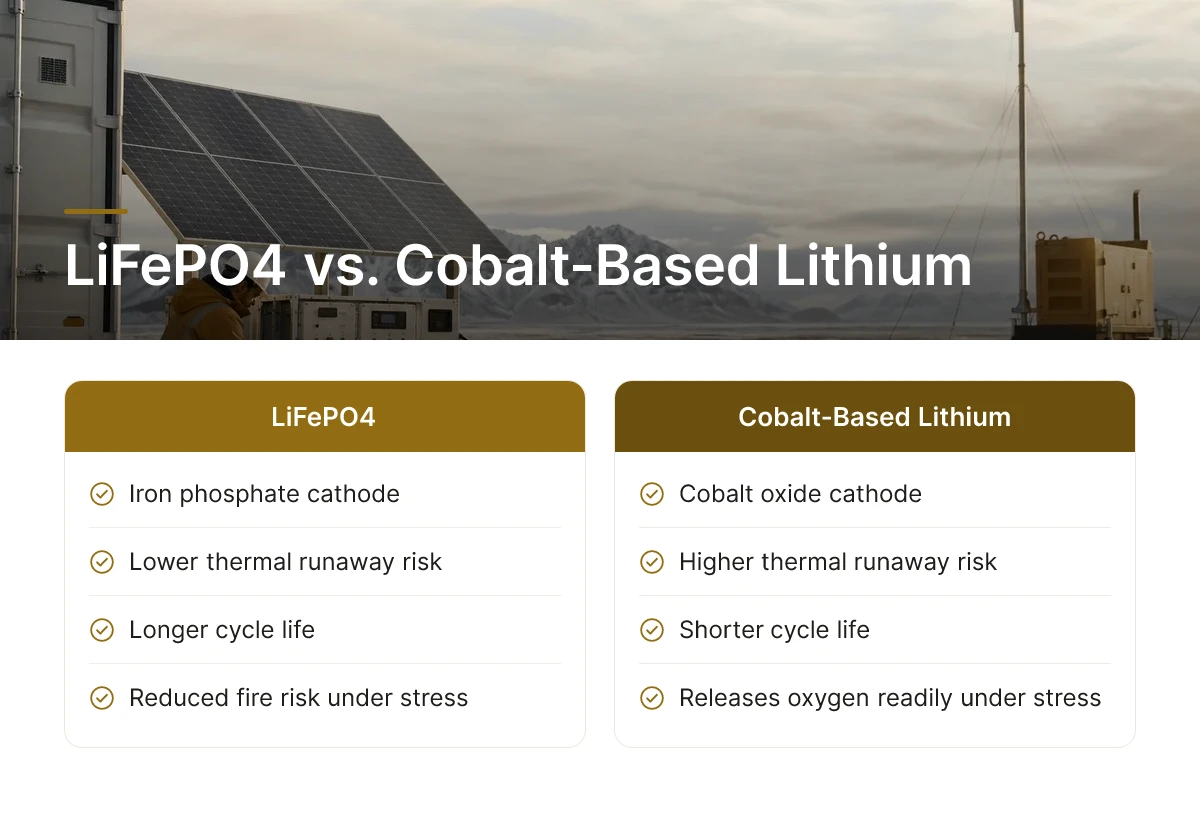
LiFePO4, lithium iron phosphate, is a distinct lithium-ion subset chosen for its chemical stability, longer cycle life, and lower thermal runaway risk than cobalt-based lithium chemistries. That stability profile is the reason hybrid energy storage systems built for defence and remote-site deployment standardize on it rather than the consumer-grade lithium cells found in laptops or phones.
The iron phosphate cathode doesn't release oxygen as readily under stress as cobalt oxide chemistries do, which lowers fire risk during vibration, puncture, or sustained high-load cycling. For a forward operating base or a mining site running equipment around the clock, that margin of safety isn't incidental, it's the difference between a battery pack you can stack near fuel stores and one you can't.
How Does LiFePO4 Perform in Extreme Cold and What Is the Operational Temperature Range?
Cell chemistry and thermal management together determine whether a battery pack still delivers usable power at sub-zero temperatures or shuts down to protect itself. Generic lithium-ion cells lose capacity sharply in the cold and can suffer lithium plating if charged below freezing, which degrades the cells permanently over repeated cycles.
Hybrid Power Solutions engineers its Batt Pack and TERRA systems with integrated thermal management and rates them for operation down to -30°C, a published spec built for Canadian winters, Arctic deployments, and northern defence logistics where diesel gelling and cold-start failures routinely sideline conventional generators. That rating is the concrete reference point operations managers should hold any competing system against, not a marketing claim, but a tested operating range.
What Are the Cost-Benefit Considerations Versus Fuel-Dependent Alternatives?
LiFePO4 packs sit at a premium cost tier upfront compared to diesel generators, but longer cycle life and lower maintenance spend shift the total cost of ownership over the life of a deployment. Fewer battery replacements mean fewer resupply trips, and that matters most where access is restricted, a remote mine site, a forward operating base, or a disaster-relief zone reachable only by air or convoy.
Cycle life is an operational variable, not just a warranty number. A pack that lasts years longer between replacements reduces the logistics burden of hauling spare units into locations where every truck or helicopter trip carries cost and risk.
Ruggedization closes the loop. Consumer-grade lithium cells are built for stationary, indoor, climate-controlled use; field-deployable LiFePO4 packs are built to withstand vibration, dust, and temperature swings from desert heat to Arctic cold, which is the baseline requirement for any hybrid energy storage system meant to survive a construction site or a tactical deployment rather than a living room.
How Do Hybrid Energy Storage Systems Cut Fuel Logistics and Acoustic Signature for Deployed Operations?
Hybrid energy storage systems cut fuel-convoy frequency and lower acoustic and thermal signature by running loads from battery while the generator cycles on only when the battery needs recharging.
For forward operating bases, that mechanism matters more than the efficiency math suggests. Every resupply convoy carrying diesel is a window of exposure, a route that can be watched, timed, or targeted. A generator running continuously to feed a load bank burns fuel around the clock, regardless of whether the load actually needs that output at any given moment. A battery-fed system decouples power delivery from generator run-time: the load draws from stored energy, and the generator only fires to top up the battery bank on a schedule set by demand, not by continuous operation.
What Reductions in Fuel Consumption, Noise, and Thermal Signature Do Deployed Hybrid Systems Achieve?
Fewer generator run-hours translate directly into fewer resupply convoys and a smaller acoustic and thermal footprint at the site.
Noise reduction follows the same logic as fuel savings. A diesel generator running continuously produces a constant noise floor; a hybrid system fed by battery draws power silently, so the generator cycles intermittently instead of running non-stop. Average noise output over a 24-hour period drops accordingly, even though peak noise during a charge cycle is unchanged. Thermal signature works the same way, less generator run-time means less waste heat radiated from the engine and exhaust, which matters for infrared detectability in tactical settings, not just for noise discipline.
Deployment speed adds a separate, practical advantage. A ruggedized, pre-integrated hybrid unit, battery, inverter, and charge controller built into one chassis, sets up faster than wiring a standalone generator to a separate battery bank in the field. Hybridps configures its Batt Pack and TERRA hybrid microgrid platforms this way specifically to cut field assembly time for crews working under time pressure or in contested environments.
How Do Regulatory Frameworks Support Hybrid Energy Storage Adoption in Defence and Industrial Sectors?
Procurement programs and site regulations increasingly favour equipment with reduced emissions and domestic manufacturing provenance, which shapes vendor selection.
Defence procurement in particular tends to weight fuel-logistics burden and supply-chain traceability alongside performance specs, a lighter fuel tail reduces convoy risk, and domestically engineered equipment simplifies sourcing and sustainment for government buyers. Industrial sites in jurisdictions with noise or emissions bylaws face similar pressure, pushing fleets toward quieter, lower-emission alternatives to continuous diesel operation. Hybridps builds its systems in Canada with full supply-chain control, a detail that matters directly in these evaluations rather than as a general selling point.
What Hybrid Power Products Fit Construction, Rental, and Defence Missions?
Hybridps maps six LiFePO4 product tiers to three buyer segments, scaling from single-operator tool power to whole-site microgrids without changing chemistry or vendor.
Each tier shares the same multi-input architecture, solar, alternator, grid, and generator charging, so a rental fleet, a construction crew, and a defence logistics team can standardize on one hybrid energy storage systems platform instead of juggling incompatible equipment across contracts.
How Do Hybrid Units Scale from 3kW to 167 kVA for Different Operational Requirements?
The ladder starts with Batt Pack Energy at 3kW and Batt Pack Pro at 5kW, sized for hand tools, lighting, and small compressors on a job site. Batt Pack Jupiter steps up to 7kW for heavier equipment loads, welders, larger pumps, multiple circuits running at once.
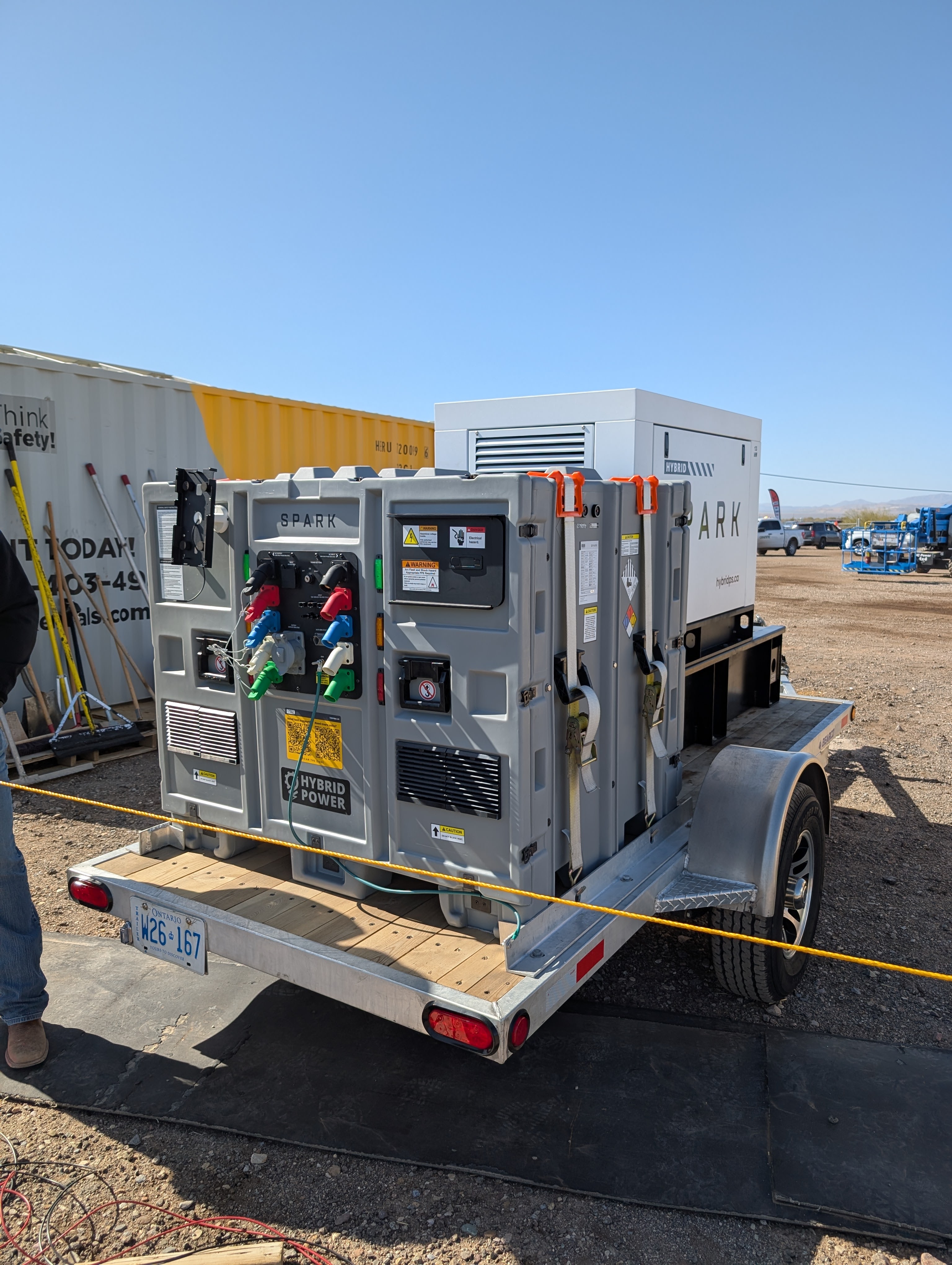
Spark Cube bridges the gap between portable packs and full microgrids, running at 12kW or 24kW for mid-size site power where several trades or a small camp draw simultaneously. At the top, TERRA delivers 167 kVA continuous and 250 kVA peak, backed by 162 kWh of storage, enough to run a forward operating base, a disaster-relief staging area, or an entire remote work camp as a mobile hybrid microgrid.
Construction and rental buyers typically enter at the Batt Pack Pro or Jupiter tier, where the draw is silent overnight job-site power, running security lighting, site trailers, or charging equipment batteries without a generator idling through the night. Defence units and large remote-site operators scale up to TERRA when the mission calls for continuous whole-base power with the fuel-logistics and acoustic-signature reduction that fixed diesel plants can't match.
What Buy-or-Rent Options Support Rapid Deployment for Emergency Response and Remote Sites?
Rental fleets can access the same Batt Pack and Spark Cube units through a buy-or-rent pathway, avoiding upfront capital commitment while still deploying durable, low-maintenance hardware built for repeated redeployment [5]. That matters for fleet managers who need units that survive transport, cold starts, and rough handling between contracts without the service overhead diesel units require. For emergency response, the same rent-ready units support rapid stand-up after storms, floods, or grid outages, where speed of deployment outweighs the case for a permanent purchase.
Defence and government buyers add a procurement layer most competitors can't offer: Hybridps systems are engineered and assembled in Canada, giving buyers supply-chain control and traceability that imported platforms can't match on a sole-source or security-reviewed contract.
Frequently Asked Questions
Can a hybrid energy storage system fully replace a diesel generator on a remote site?
Yes, for most continuous-duty and intermittent-load applications, a properly sized hybrid system replaces diesel entirely or reduces it to a backup role. Multi-input charging (solar, alternator, grid, generator) keeps the battery bank topped up indefinitely, which is why TERRA's 167 kVA continuous / 250 kVA peak rating is built for whole-site power, not just tool-level loads.
How long does a LiFePO4 hybrid battery bank last before it needs replacement?
LiFePO4 chemistry is chosen specifically for its long cycle life compared to standard lithium-ion, which is why it's used across the Batt Pack and TERRA lines. Actual service life depends on duty cycle, temperature, and depth of discharge, so site-specific runtime planning matters more than a single blanket number.
Do hybrid systems work in disaster relief and emergency response deployments?
Yes, portable units like Batt Pack Energy, Pro, and Jupiter are built for rapid deployment where fuel resupply is unreliable or impossible. Silent operation and multi-input charging mean responders can run communications, lighting, and medical equipment without generator noise or convoy-dependent fuel logistics.
What is the difference between a hybrid microgrid and a portable power pack?
A portable power pack handles single-site or single-crew loads, while a hybrid microgrid like TERRA coordinates generation, storage, and distribution across an entire remote site or forward operating base. Batt Pack and Spark Cube units cover tool-scale to mid-size jobsite power; TERRA's 162 kWh capacity and 250 kVA peak are built for whole-site or multi-building loads.
Conclusion
Hybrid energy storage works because it matches the tool to the load: Batt Pack units for jobsite and tactical power, Spark Cube for mid-size deployments, TERRA for whole-site or forward operating base microgrids. The common thread is multi-input charging and LiFePO4 chemistry rated to -30°C, which cuts fuel convoys and acoustic signature without sacrificing continuous runtime. Before your next remote deployment, map your actual load profile against these tiers rather than defaulting to diesel by habit, then request a configuration review to size the right system for your site.
Sources & References
- What is a Hybrid Energy Storage System (HESS)? | Ossila
- Hybrid Energy Storage Systems and Management Strategies | Electrical Energy Storage | Electrical Engineering | Applied sciences | Topics | Nature Index
- Hybrid Energy Storage: Features, Applications, And Benefits
Recommended Articles
Explore more from our content library: