

Produits
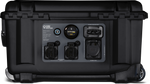 Pack de batteries énergétiques | 3kW
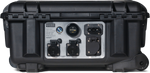 Bloc-batterie Pro | 5 kW
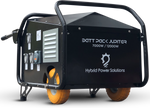 Batterie Jupiter | 7kW
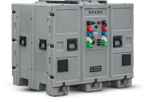 Spark Cube | 12kW/24kW
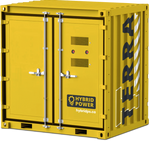 TERRA | 166kVA
Ressources

Emergency Backup Power Systems: Complete Overview
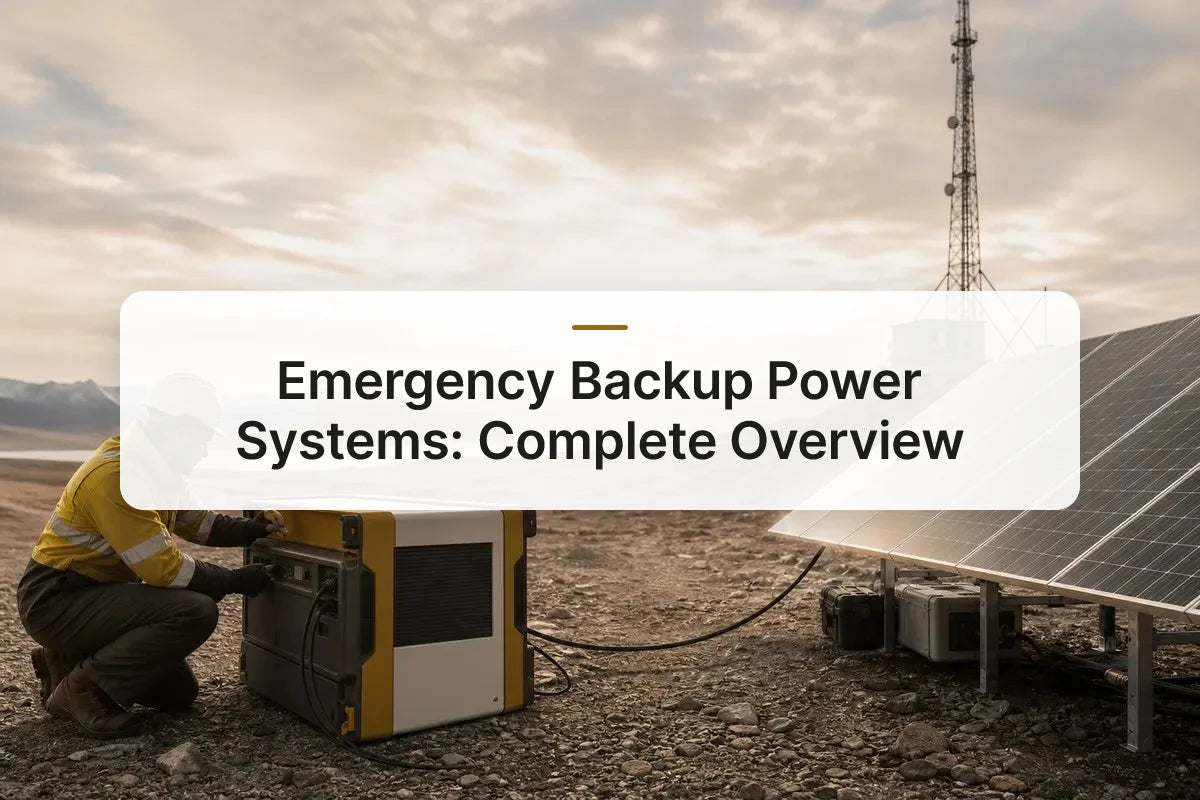
Understanding emergency backup power systems is essential. Portable LiFePO4 hybrid systems replace or supplement diesel generators by combining battery storage with solar, alternator, grid, or generator inputs, delivering silent, low-thermal-signature power with continuous runtime instead of scheduled refueling. For mission-critical defence, construction, and rental operations, this means reduced fuel-logistics burden, -30°C reliability, and power tiers ranging from single-tool (3kW) to whole-site microgrid (167 kVA). Unlike battery-only power packs that depend on frequent recharging, hybrid multi-input architecture keeps running indefinitely in the field.
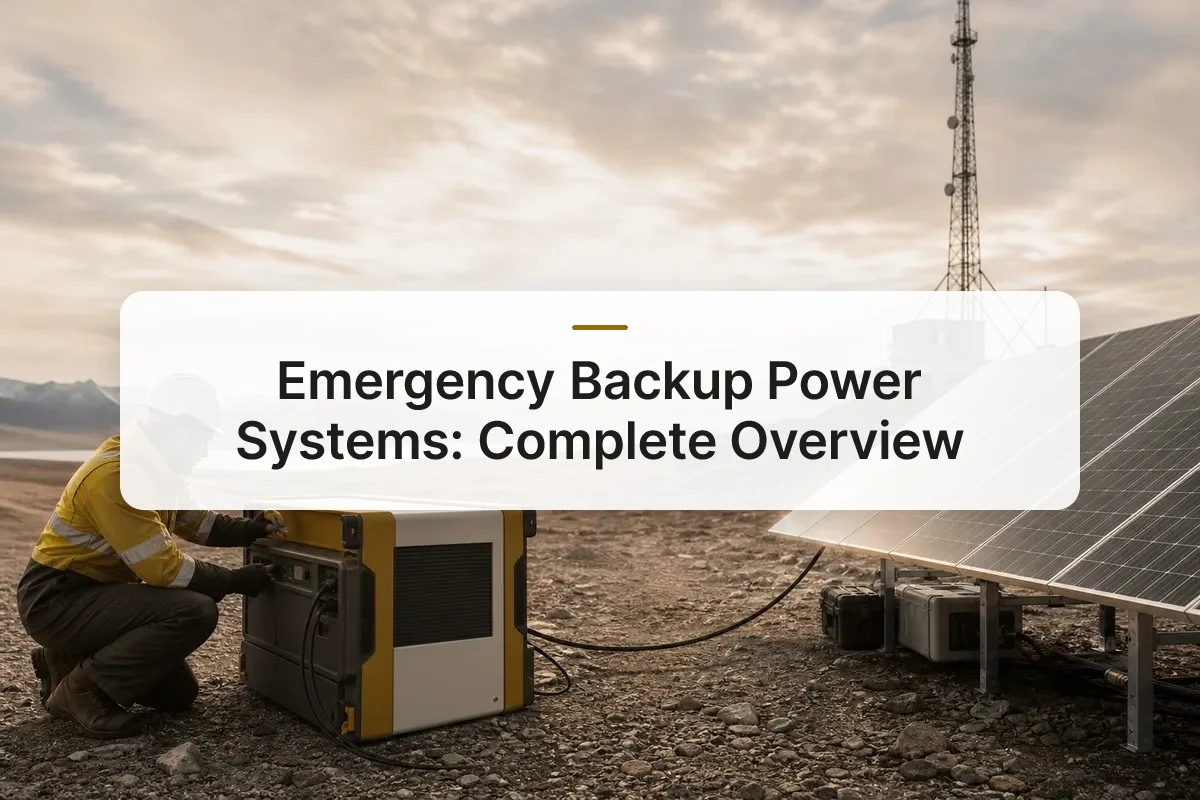
Quick Picks: Top Emergency Backup Power Systems for Industrial and Defence Use
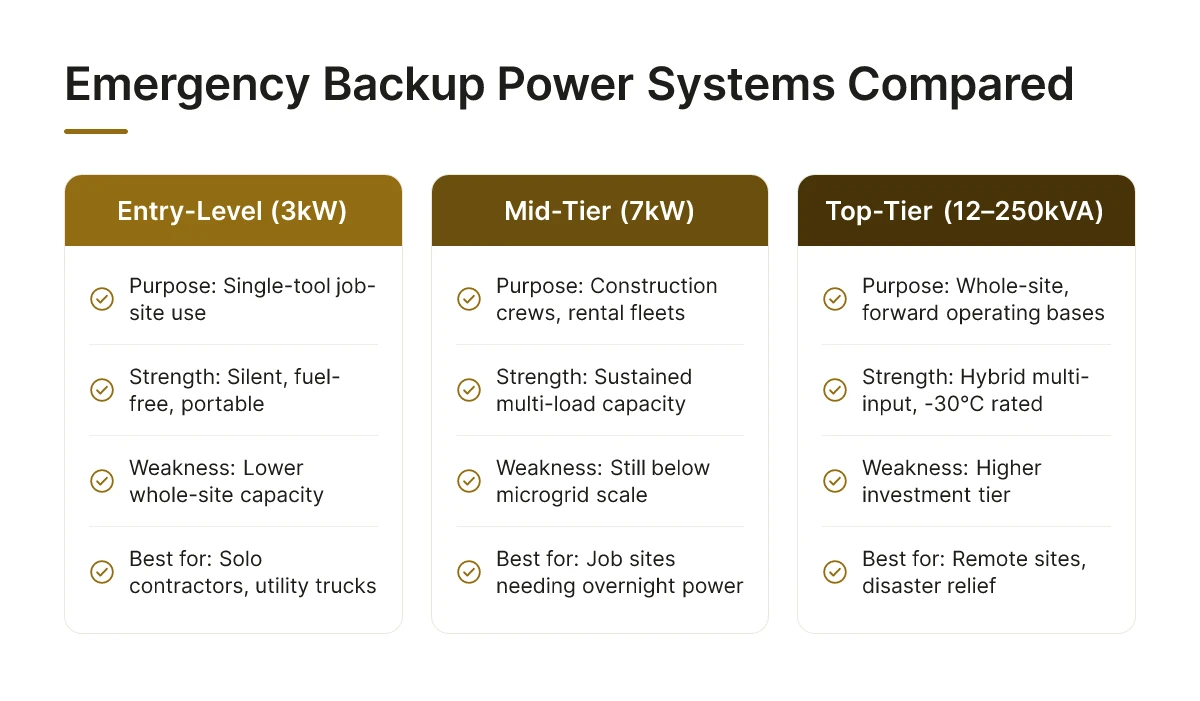
The strongest emergency backup power systems for professional buyers scale by mission tier, not price tag, from single-crew job-site packs to whole-site microgrids replacing a diesel fleet.
We ranked these picks by the buyer they fit best and the spec that actually decides the purchase: continuous runtime, cold-weather rating, or charging flexibility. Each is Canadian-engineered and assembled, a procurement point that matters directly to defence and government buyers working through domestic sourcing requirements.
The Ranking
- Entry-level job-site pack, Batt Pack Energy 3kW: Best for a small construction crew or a single utility truck needing silent overnight power without a fuel run. Deciding spec: multi-input charging (solar, alternator, grid) keeps it topped up between shifts.
- Mid-tier construction/rental workhorse, Batt Pack Pro 5kW and Jupiter 7kW: Built for rental fleets and larger construction sites cycling equipment across multiple job locations. Deciding spec: -30°C operating rating, which matters when a rental unit sits outdoors through a Canadian winter deployment.
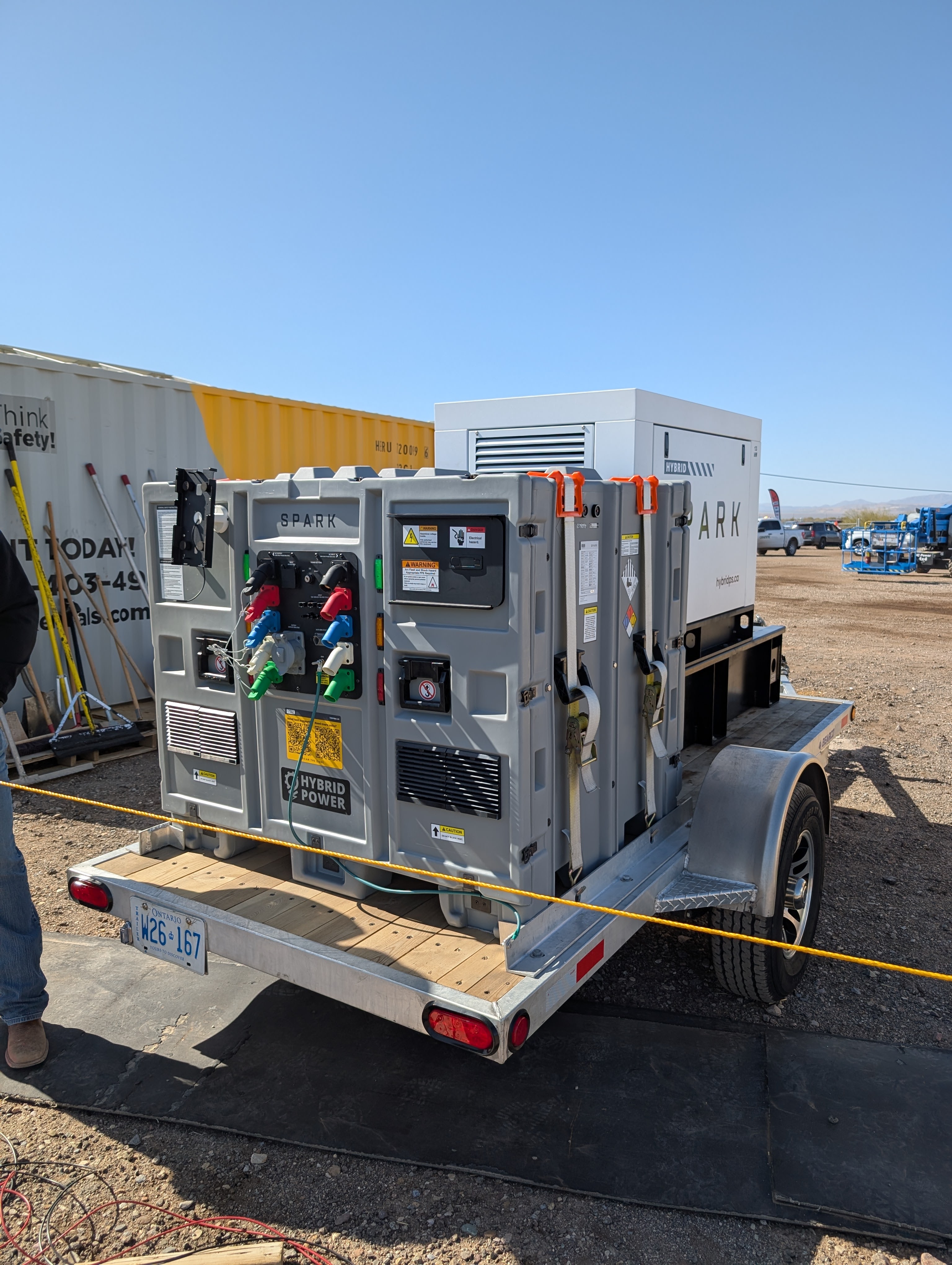
- Portable defence power, Spark Cube 12/24kW: Fits a forward operating base needing tactical power and drone recharging without the acoustic and thermal signature of a diesel set. Deciding spec: low noise and heat output alongside continuous, multi-input runtime.
- Whole-site microgrid, TERRA (167 kVA continuous / 250 kVA peak / 162 kWh): The pick for a mining site, utility operation, or large FOB replacing generator banks outright. Deciding spec: continuous kVA output paired with hybrid solar-alternator-grid-generator input, so it runs indefinitely rather than on a recharge cycle.
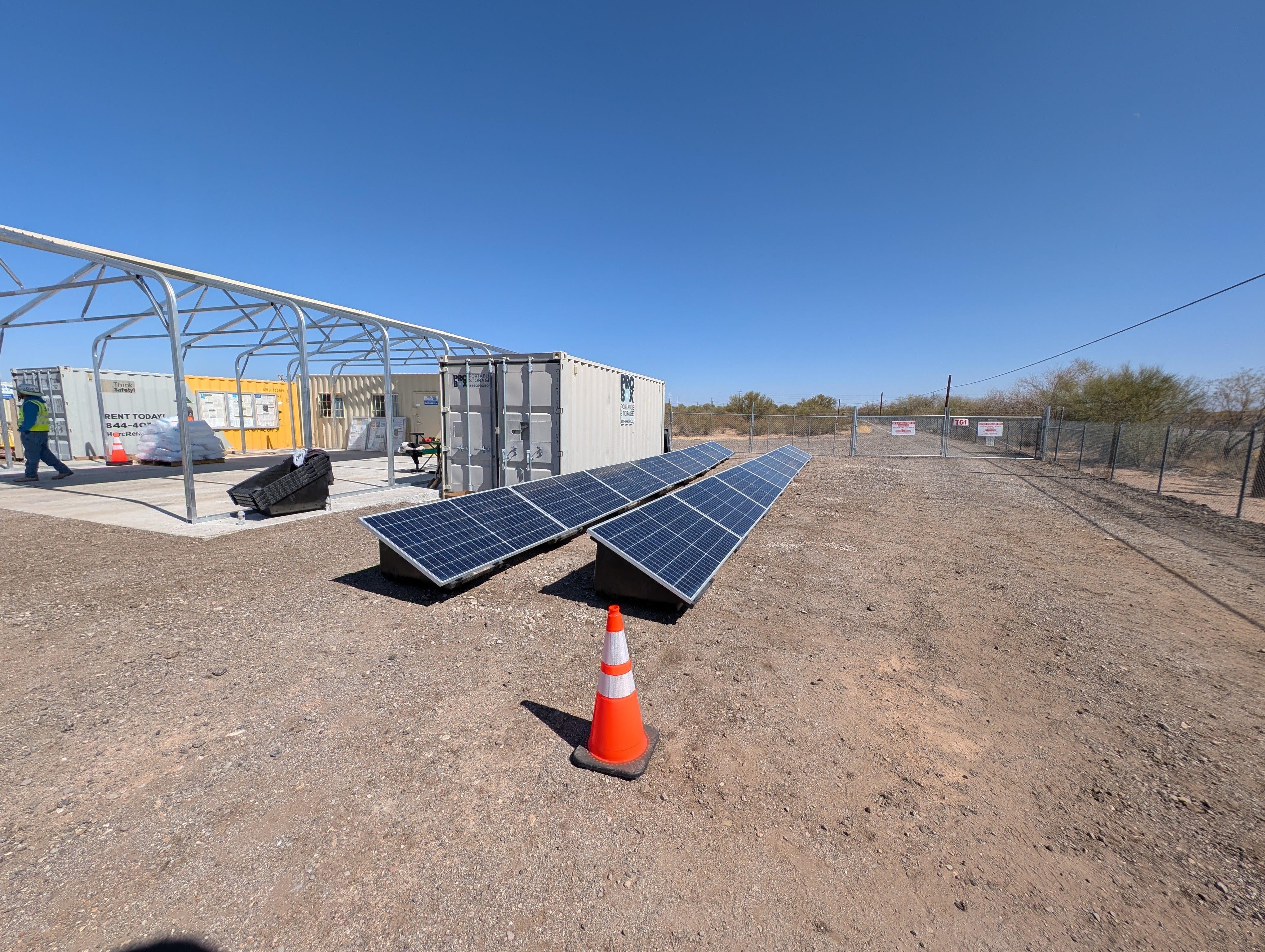
Solar and alternator hybrid charging suits the Batt Pack line and Spark Cube for field mobility; TERRA works equally as a grid-tied stationary asset or a hybrid microgrid hub. Buyers choosing between these tiers should match deployment duration and load size first, then confirm cold-weather and multi-input specs against the site's actual conditions.
1. Batt Pack Energy 3kW, Review
The Batt Pack Energy 3kW is a portable LiFePO4 unit built for single-tool and small job-site loads where diesel is impractical or restricted. It's the entry point into Hybrid Power Solutions' lineup, and among emergency backup power systems built for field use, it fills the role that a briefcase-class power station plays for a solo operator rather than a full crew.
The chemistry matters more than most buyers expect. LiFePO4 (lithium iron phosphate) runs cooler under repeated charge cycles than generic lithium-ion cells and tolerates deep daily discharge without the same degradation curve, a practical advantage on job sites where a pack gets drained and recharged every shift for months. Thermal stability also lowers fire risk in hot cargo boxes or direct sun, a real concern for units left in a truck bed through summer.
Key Features
- LiFePO4 battery chemistry for extended cycle life and stable thermal behaviour under daily use
- Multi-input charging: solar, vehicle alternator, or grid, recharge from whatever source is on site
- Rated for continuous operation down to -30°C
- Silent, fuel-free output with no exhaust or engine noise
The multi-input design is the structural difference from battery-only portable packs that rely on a single recharge method and sit idle once depleted. A crew can top up the Batt Pack Energy 3kW off a truck alternator during transit, then finish the charge with a panel on site, no generator needed at any step.
Pros and Cons
- Pros: Silent operation, zero fuel logistics, -30°C rating for cold-region deployment, flexible recharging
- Cons: Lower power ceiling than whole-site systems; not built to run multiple simultaneous crew loads
This is not the tier for powering an entire job site or forward operating base, that's where the Batt Pack Jupiter 7kW or Spark Cube 12/24kW take over. The 3kW unit is scoped intentionally for single-operator work.
Pricing tier: Budget-friendly to mid-range, positioning it as an accessible entry point rather than a premium enterprise purchase.
Best for: Solo contractors running one power tool at a time, field recharging for tactical or commercial drones, and utility crews outfitting a single truck for standby power.
2. Batt Pack Jupiter 7kW, Review
The Batt Pack Jupiter 7kW gives construction crews and rental fleets more than double the continuous output of the entry-level pack, enough to run several trades' tools at once instead of one at a time.
At 3kW, a job site runs one saw, one set of lights, or one charging station before you're rationing power. At 7kW, the Jupiter carries mixed loads simultaneously, task lighting, power tools, and a compressor or welder circuit, which matters on multi-trade sites where power demand doesn't arrive in tidy sequence. That jump is the difference between a personal power pack and a crew-level power source, and it's why Hybridps positions the Jupiter as a step up from the Batt Pack Energy 3kW rather than a simple capacity bump.
The Jupiter's LiFePO4 chemistry pairs with multi-input charging, solar, alternator, grid, or generator, so the unit tops up while it works instead of going offline for a swap. That distinction matters for anyone comparing this class of emergency backup power systems against battery-only packs that depend on recharge-and-swap cycles: a crew running overnight can top off from a small generator or daytime solar without a runtime gap.
Pros
- Ruggedized housing built for repeated loading, transport, and job-site abuse, a factor rental fleets weigh heavily on turnover cost.
- Low-maintenance profile compared to diesel units cycling through rental returns, with no fuel system to service between rentals.
- Multi-input charging keeps units field-ready without dependency on a single power source.
Cons
- Still sized for a job site or trailer, not a full remote camp or forward operating base, that tier belongs to Spark Cube or TERRA.
- Continuous 7kW loads still require input planning; it isn't a diesel-generator replacement for round-the-clock heavy machinery.
Pricing sits in the mid-range tier, a step above entry-level packs but well below hybrid microgrid systems, reflecting its role as the workhorse unit for rental fleet ROI and mid-size construction budgets.
Best for: construction job sites needing quiet overnight power without a running generator, and rental fleets building buy-or-rent programs around a durable, mid-capacity unit.
3. Spark Cube 12/24kW and TERRA Hybrid Microgrid, Review
TERRA delivers 167 kVA continuous power (250 kVA peak) and 162 kWh of storage, a capacity class that portable single-tool packs cannot approach and that defines Hybridps's move into whole-site emergency backup power systems.
Spark Cube and TERRA exist for a different job than the Batt Pack line. Batt Pack Energy, Pro, and Jupiter (3kW to 7kW) cover single tools, individual trades, or a drone recharge station. Spark Cube 12/24kW steps up to mid-size sites, think a temporary site office running HVAC and lighting alongside two or three trade crews, or a construction compound with multiple simultaneous loads. TERRA sits above both, built for sites where power failure stops the entire operation, not just one task.
How does the TERRA microgrid support defence and forward operating base deployment?
TERRA runs as a hybrid microgrid, drawing from solar, alternator, grid, or generator inputs and blending them with battery storage to sustain multiple loads without constant refuelling. For forward operating bases, that means fewer resupply convoys, a direct cut to fuel-logistics exposure in contested or remote terrain. Diesel-only setups also broadcast noise and heat signatures that battery-buffered hybrid systems reduce, which matters as much for detectability as for compliance. Rated to -30°C, TERRA and Spark Cube both hold output in Arctic and northern conditions where fuel can gel and diesel engines struggle to cold-start.
Disaster relief and mining or utility-scale remote sites share the same underlying requirement: sustained, multi-load power over days or weeks, not hours. A hospital tent, a communications hub, and refrigerated storage running off one deployment is a different engineering problem than keeping a single circular saw powered, and it's the problem TERRA and Spark Cube were built to solve.
Pros and cons
- Pros: whole-site capacity at 167 kVA continuous / 250 kVA peak; true hybrid input flexibility across solar, alternator, grid, and generator; -30°C rating for Arctic and northern deployments; reduced fuel convoy dependence for defence logistics
- Cons: premium tier pricing reflecting industrial/defence-grade capacity; overbuilt for single-tool or one-worker jobs where a Batt Pack unit is the better fit
Pricing tier and best-for
Both systems sit in the premium/enterprise tier, priced for organizations running sustained multi-load operations rather than short single-task deployments. Spark Cube 12/24kW suits mid-size job sites and temporary facility power; TERRA is built for forward operating bases, disaster relief response, and mining or utility-scale remote sites where downtime carries operational or mission risk.
How We Evaluated These Emergency Backup Power Systems
We scored each system on continuous runtime, multi-input charging, cold-weather rating, sizing accuracy, and total cost of ownership rather than headline peak-power numbers.
Peak power specs sell units but rarely predict field performance. A generator or battery pack that spikes to a high peak kW for a few seconds tells you nothing about running a welder, site lighting, and a drone charging station simultaneously for eight hours. We weighted continuous kW/kVA rating and multi-input hybrid charging, solar, alternator, grid, and generator, well above peak output, because a system that can recharge from whatever power source is available on-site is the difference between a functioning job site and a stalled one. This is the same reasoning behind Hybridps configuring its Batt Pack and TERRA lines around continuous ratings rather than marketing peak bursts.
How do you calculate real-world runtime for specific power loads?
Start with a load audit, not a spec sheet: list every tool, appliance, and drone charging cycle in watts, add them up, then match the total against the system's continuous, not peak, rating.
A crew running two 1,500W heaters, a compressor, and rotating drone battery charges draws a steady load that a briefcase-class power pack rated for short peak bursts cannot sustain for a full shift. We also factored recharge behaviour: a battery-only unit that depends on wall or generator recharge introduces downtime between cycles, while a hybrid system pulling from solar during daylight and alternator power in transit can maintain near-continuous output. For defence users, this matters directly for drone recharging cadence during extended reconnaissance windows, where a dead battery mid-mission is not an option.
What installation and deployment factors matter for construction and defence sites?
Match the physical format, portable, stationary, or towable, and the power architecture, grid-tied or off-grid, to the site's mobility and connection needs.
Construction sites moving weekly favour portable packs like Batt Pack Pro or Jupiter; a fixed camp or forward operating base benefits from a towable trailer-mount or a stationary microgrid such as TERRA. We treated the -30°C cold-weather rating as a pass/fail gate, not a bonus feature, for any system considered for Arctic or defence deployment, cold-start failure and fuel gelling are operational risks that ruggedized LiFePO4 systems engineered for sub-zero conditions are built to avoid. On total cost of ownership, we compared each option's freedom from fuel hauling and diesel engine service intervals against a diesel generator's recurring fuel burn, oil changes, and filter replacements over its working life. That comparison, not sticker price, is what determines whether emergency backup power systems actually reduce logistics burden on a remote or regulated site.
Frequently Asked Questions
How do battery-based hybrid power systems differ from traditional diesel generators?
Hybrid systems store energy in LiFePO4 batteries and draw from solar, alternator, grid, or generator inputs, while diesel units burn fuel continuously to produce power. That difference means near-silent operation, no exhaust at the point of use, and far less routine maintenance than an engine with oil changes and fuel filters. Diesel generators still win on indefinite runtime without recharging. A hybrid setup like Hybridps's Batt Pack Pro 5kW pairs battery storage with generator input for extended field runtime, cutting fuel logistics without losing continuous power.
What are the key components and operating modes of a hybrid power system?
Core components are the LiFePO4 battery bank, a battery management system, an inverter/charger, and multiple charging inputs. Operating modes typically include battery-only (silent, zero-emission), grid or generator-assisted recharging, and solar-hybrid charging for extended off-grid runtime. Systems like Spark Cube 12/24kW combine these modes to support multiple loads on a single site without constant engine cycling.
When should you choose a hybrid system over a generator-only or solar-only setup?
Choose hybrid when you need quiet, low-signature power plus the ability to run indefinitely without waiting on sun or hauling fuel. Generator-only setups struggle with noise restrictions and fuel convoys in remote or defence deployments; solar-only setups fail during low-light stretches or continuous heavy loads. A hybrid microgrid such as TERRA (167 kVA continuous, 162 kWh) covers both gaps by accepting solar, alternator, grid, and generator charging on one platform.
What warranty and maintenance factors protect a hybrid system investment over time?
Look for LiFePO4 chemistry, rated for long cycle life, and documented cold-weather performance down to -30°C, since thermal stress drives most battery degradation. Domestic manufacturing with local technical support also matters for parts and service turnaround. Ask any vendor for published cycle-life data and warranty terms before comparing units on price alone.
Conclusion
Diesel-only power is a liability where fuel convoys, noise discipline, or emissions compliance matter, a hybrid battery system with multiple charging inputs closes that gap without sacrificing runtime. The tier you need depends on scale: Batt Pack units for tools and small crews, Spark Cube for job-site loads, TERRA for a forward operating base or full remote site. Before your next contract or deployment, map your actual load profile in kW and hours per day, then match it against a published spec sheet, not a generic wattage estimate, to size the right system the first time.
Recommended Articles
Explore more from our content library: