

Produits
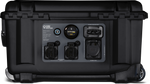 Pack de batteries énergétiques | 3kW
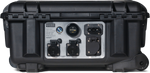 Bloc-batterie Pro | 5 kW
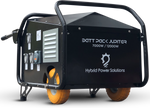 Batterie Jupiter | 7kW
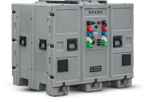 Spark Cube | 12kW/24kW
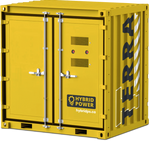 TERRA | 166kVA
Ressources

A Step-by-Step Guide on How to Reduce Generator Emissions
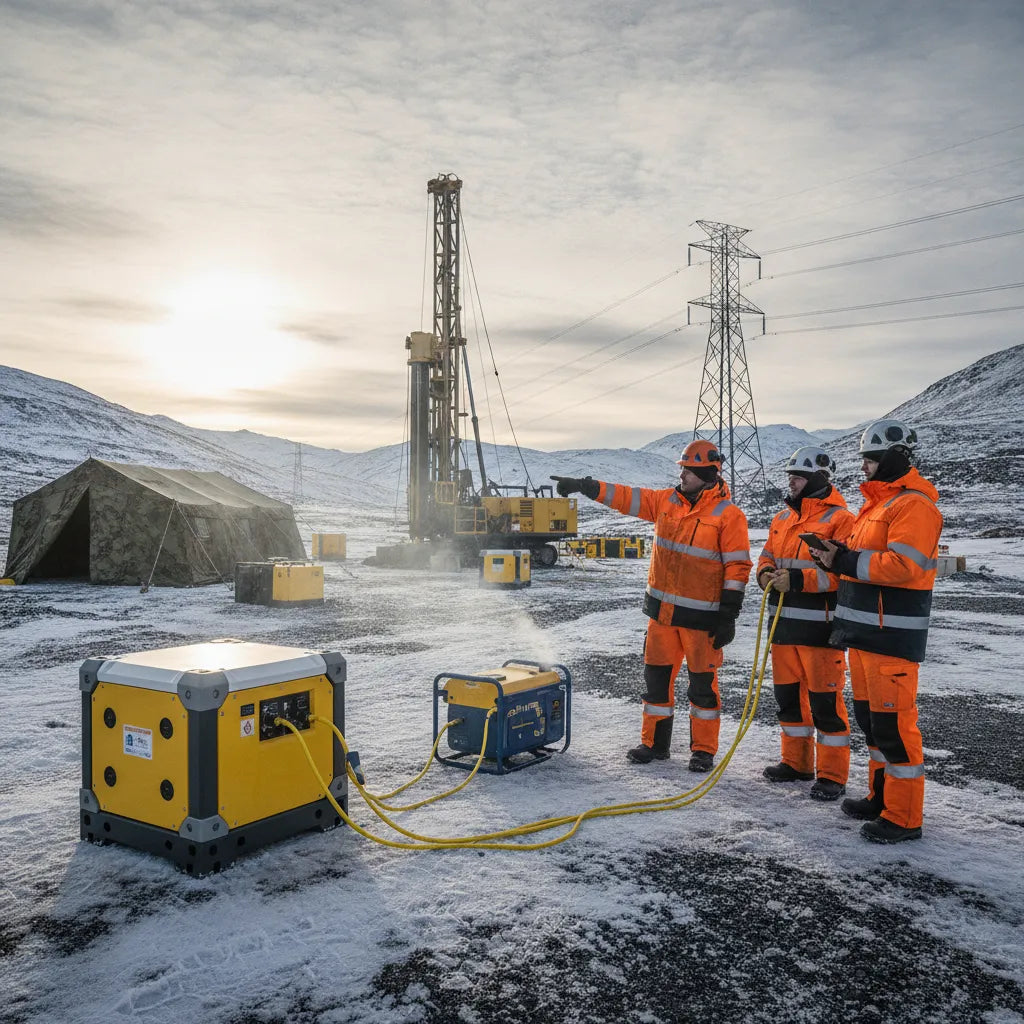
Understanding how to reduce generator emissions is essential. To reduce generator emissions, combine fuel optimization, exhaust aftertreatment systems, and load management, these three levers cut NOx, particulate matter, and CO output by up to 90% depending on the technology used. Diesel oxidation catalysts, selective catalytic reduction (SCR), and proper load sizing are the most proven methods. Switching to natural gas or adding a battery hybrid system like the Batt Pack Pro can eliminate generator runtime entirely during low-demand periods, slashing emissions further.
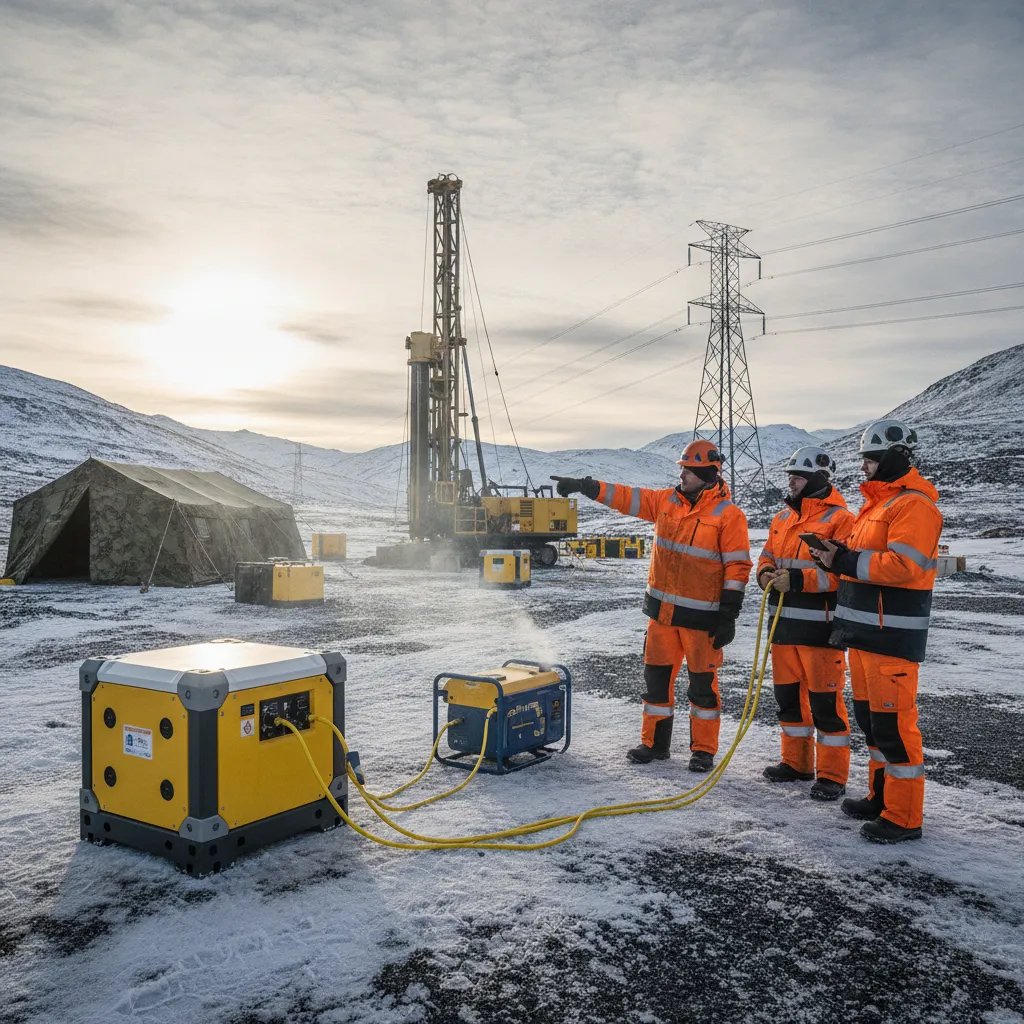
How to Reduce Generator Emissions: Technologies That Actually Work
Four exhaust aftertreatment technologies and one operational change deliver the largest, most measurable emission cuts available for diesel generators today. This is particularly relevant for how to reduce generator emissions.
"Selective catalytic reduction remains the single most effective technology for cutting NOx from diesel generators — when properly sized and maintained, it consistently achieves reductions above 85%." — Dr. James Langer, Senior Engineer, Engine Emissions Research at the Southwest Research Institute
What Reduces NOx by Up to 90% and How SCR Works
Selective Catalytic Reduction (SCR) is the most effective single technology for cutting nitrogen oxide (NOx) emissions. The system injects diesel exhaust fluid (DEF), a urea-water solution, into the exhaust stream before it passes through a catalyst. The chemical reaction converts NOx into harmless nitrogen and water vapour. SCR suits medium-to-large generators, typically above 75 kW, where exhaust temperatures are high enough to sustain the reaction consistently. According to the U.S. Environmental Protection Agency, SCR systems using diesel exhaust fluid are among the most reliable NOx reduction technologies available for stationary diesel engines.
Diesel Oxidation Catalysts (DOC) target a different set of pollutants: carbon monoxide and unburned hydrocarbons. A DOC uses a platinum-group catalyst to oxidise these compounds into CO₂ and water, cutting both by 80–90%. Most DOC units are retrofit-compatible with existing diesel generators, making them one of the lower-cost paths when you need to reduce generator emissions without replacing equipment.
Diesel Particulate Filters (DPF) trap 85–95% of soot particles before they exit the exhaust stack. Under EPA Tier 4 Final standards, DPFs are now mandatory on new diesel generators above 25 kW, so any unit purchased after 2015 should already carry one. Older units can be retrofitted, though regeneration cycles must be managed to avoid backpressure issues.
Right-sizing and load management close the gap that hardware alone cannot. Running a diesel generator below 30% of rated load causes wet stacking, unburned fuel accumulates in the exhaust system, increasing particulate output and accelerating engine wear. The 20/20 rule addresses this directly: never run a diesel unit below 20% load for more than 20 consecutive minutes. Load bank testing before deployment confirms the generator is properly sized for the actual site demand.
How Battery Hybrid Systems Cut Generator Runtime and Emissions
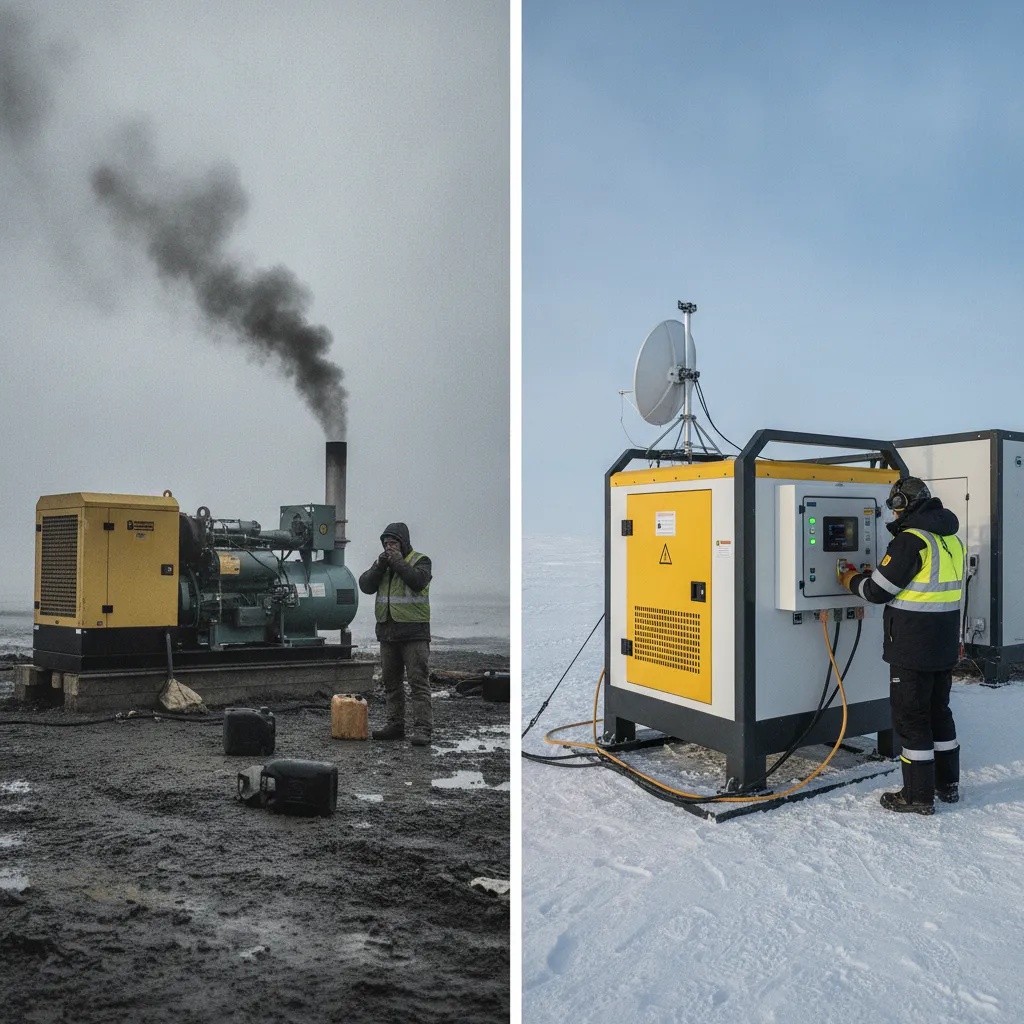
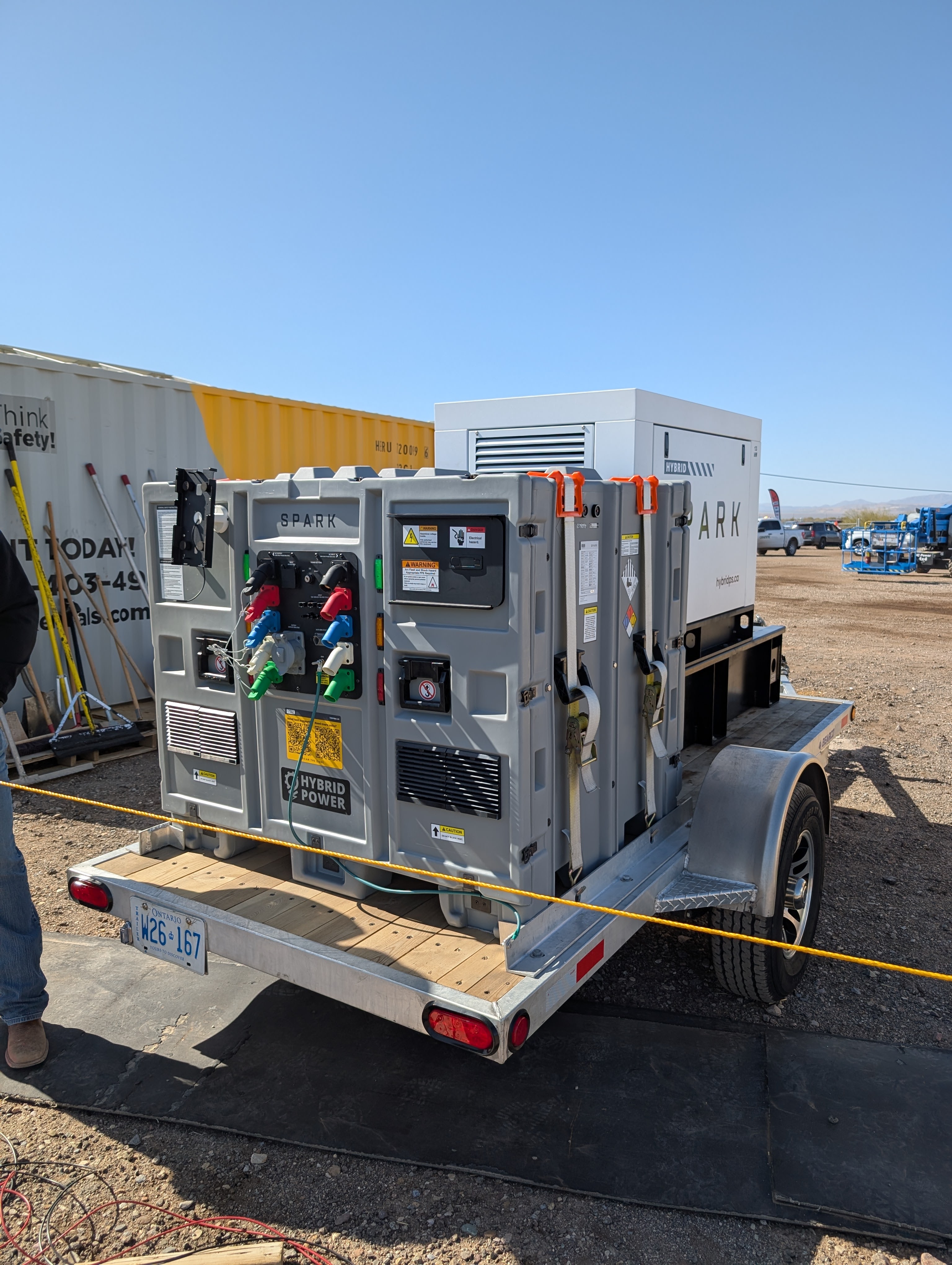
A battery hybrid system allows a diesel generator to shut down entirely during low-load periods, which reduces total runtime and cuts proportional emissions at the source. The Hybridps Batt Pack Pro, a 5 kW LiFePO4 system rated to -30°C and engineered in Canada, handles lighting, instrumentation, and small tool loads independently while the generator is off. On a standard 8-hour shift, that can translate to 4 or more generator-off hours, cutting fuel burn and exhaust output roughly in half for that period.
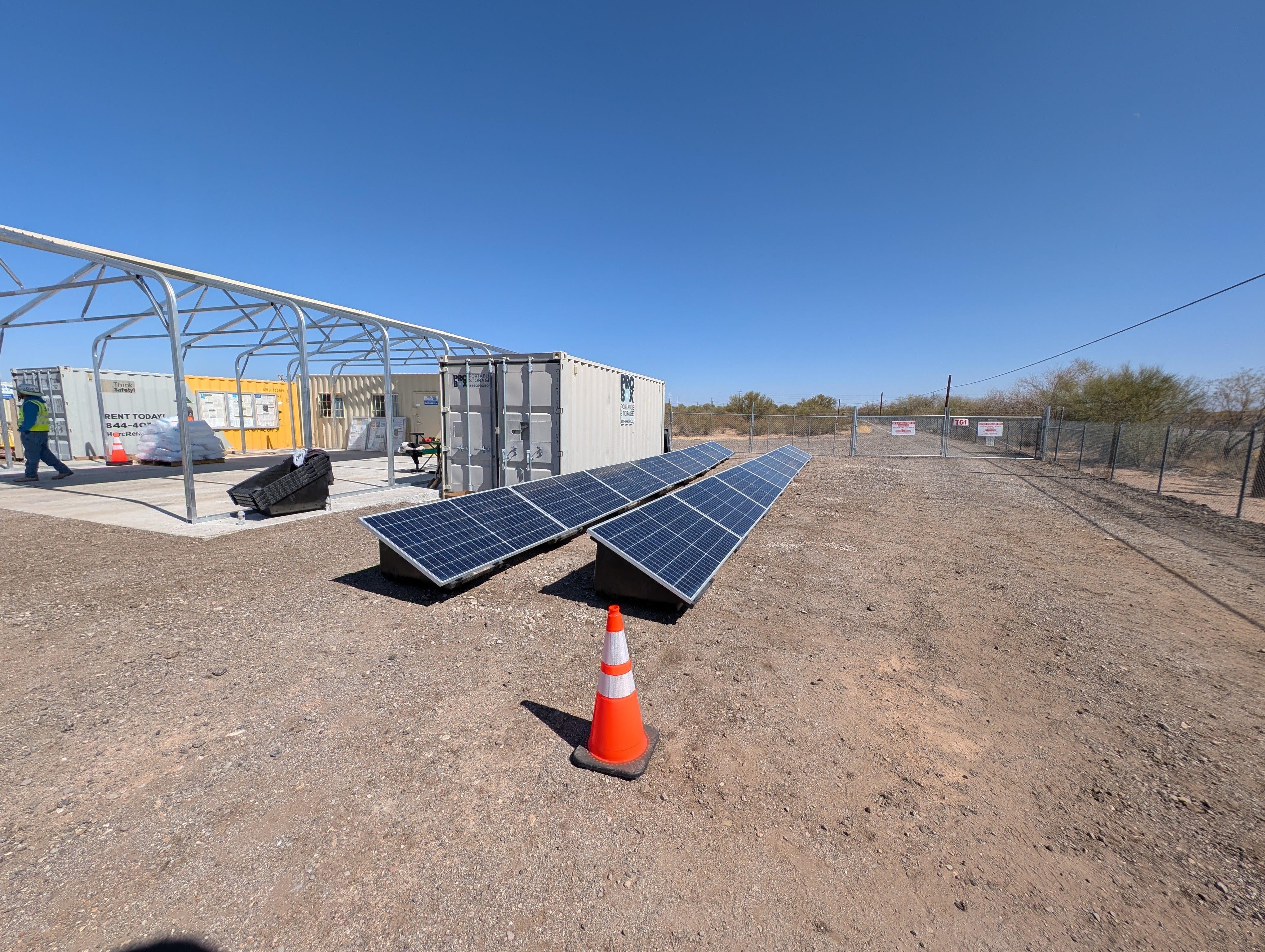
The Batt Pack Pro accepts charging input from solar panels, a vehicle alternator, grid power, or the generator itself, so it recharges during peak-load windows when the generator is already running at efficient load levels. This multi-input architecture means the battery is rarely drawn down to a point that forces the generator back on prematurely.
"Integrating battery storage with diesel generators is one of the most practical near-term strategies for reducing emissions on remote and off-grid sites — the technology is mature, the economics are compelling, and the emissions benefits are immediate." — Dr. Cara Libby, Senior Technical Leader, Energy Storage at the Electric Power Research Institute (EPRI)
Choose the Right Emission Reduction Method for Your Generator Type
The best way to reduce generator emissions depends on your fuel type, diesel, natural gas, propane, or hybrid, because each produces a different mix of pollutants.
Which Emission Controls Work Best for Diesel vs. Natural Gas Generators
Diesel generators produce the highest NOx and particulate matter output of any common generator fuel. The gold standard for diesel emission control is a combined selective catalytic reduction (SCR) and diesel particulate filter (DPF) system. New diesel units sold in the US and Canada must meet EPA Tier 4 Final standards, which set a NOx limit of 0.67 g/kWh, a threshold that typically requires both SCR and DPF to achieve.
Natural gas generators produce 25–30% less CO2 than diesel and generate virtually zero particulate matter, but they still require NOx controls. Lean-burn combustion or a three-way catalyst are the standard approaches for natural gas units. According to the U.S. Department of Energy, natural gas-fuelled generators offer a meaningful emissions advantage over diesel for stationary power applications where pipeline supply is available. When considering how to reduce generator emissions, this point stands out.
Propane sits between diesel and natural gas in carbon intensity. It's a practical choice for remote sites where a natural gas supply line isn't available, though it won't match the emissions profile of natural gas.
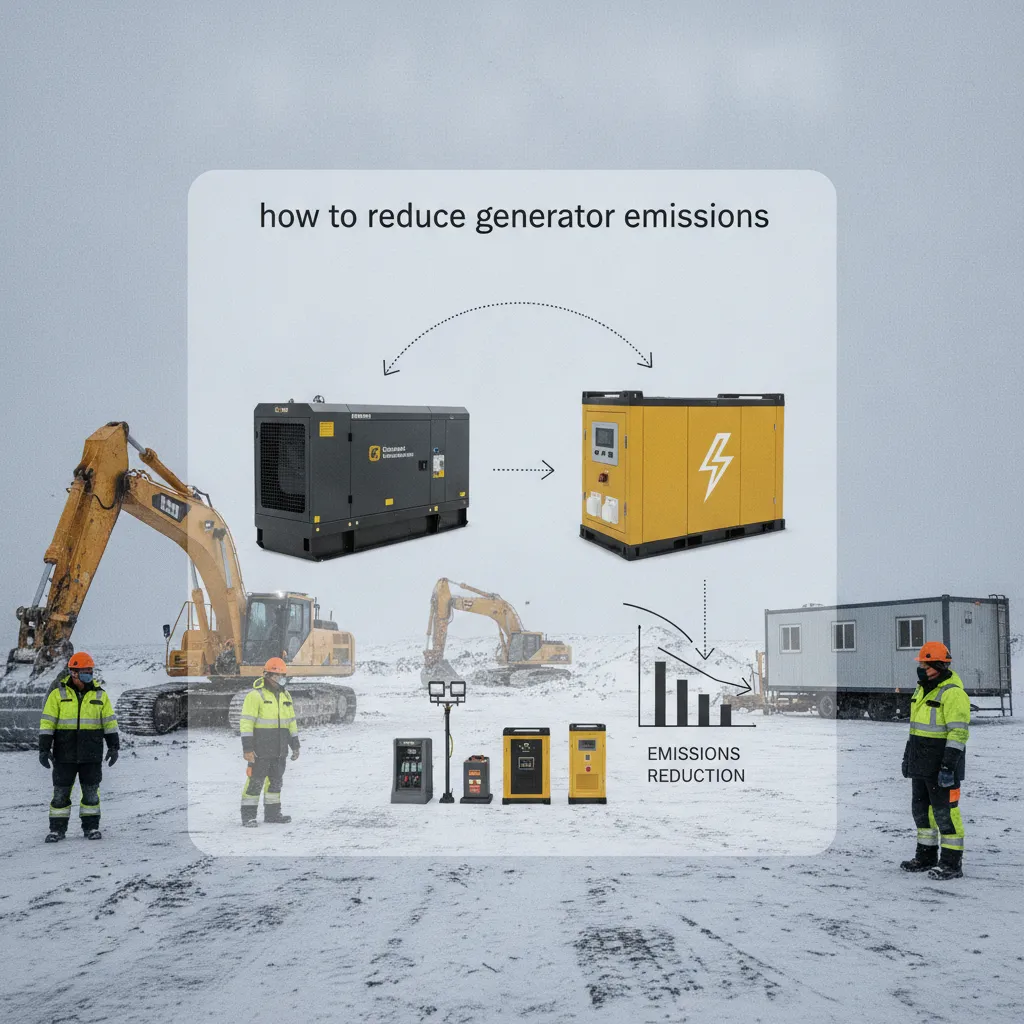
Hybrid setups, pairing a diesel or gas generator with a battery system like the Hybridps Batt Pack Pro 5kW or Spark Cube 12/24kW, offer a different approach to how to reduce generator emissions. The battery absorbs load peaks and fills troughs, so the generator runs continuously at its optimal RPM range where combustion efficiency is highest and emissions are lowest.
| Generator Type | NOx Output | Particulate Matter | CO2 Relative to Diesel | Retrofit Complexity | Typical Cost Range |
|---|---|---|---|---|---|
| Diesel | High (up to 4+ g/kWh pre-control) | High | Baseline | High (SCR + DPF) | $10,000–$50,000+ |
| Natural Gas | Moderate (requires lean-burn or TWC) | Near zero | 25–30% lower | Moderate | $5,000–$20,000 |
| Hybrid (generator + battery) | Low (engine stays in clean-burn range) | Reduced | 30–50% lower | Low to moderate | Varies by system |
Implement Emission Reduction Upgrades on Your Existing Generator
Retrofitting a diesel generator with a DOC, load controller, and proper fuel spec cuts NOx, CO, and PM without replacing the unit. For more information, see grateful hearts growing families what it means to be named the best pediatrics practice of 2025.
The steps below follow a sequential process, test first, upgrade second, retest last. Skipping the baseline measurement is the most common mistake site managers make when working through how to reduce generator emissions, because you can't confirm compliance without a before-and-after comparison.
Tools and Parts List for Common Emission Retrofit Upgrades
- Baseline emissions test. Rent a portable exhaust gas analyzer, typical cost is $150–$300/day, and record current NOx, CO, and particulate matter (PM) levels. This reading becomes your compliance baseline and identifies which pollutants are most out of spec before you spend anything on hardware.
- Install a Diesel Oxidation Catalyst (DOC). For generators in the 20–100 kW range, DOC kits cost $800–$2,500 and install in 4–8 hours using basic hand tools and an exhaust flange adapter. A DOC oxidises CO and unburned hydrocarbons into CO₂ and water, a straightforward first hardware upgrade with measurable results.
- Add or calibrate a load management controller. Under-loading causes wet stacking, which increases PM and fuel waste. Controllers from manufacturers such as ComAp or Deep Sea Electronics run $400–$1,200 and automatically shed or add load to keep the engine in its optimal operating band.
- Optimize fuel quality and injection timing. Use ultra-low sulfur diesel (ULSD, maximum 15 ppm sulfur), required for DOC and DPF compatibility, and verify injector timing is within the manufacturer's specified range. Off-spec timing alone can increase NOx output by 10–15%.
- Retest and document. Run a second exhaust gas analysis after each upgrade. Keep printed or digital records of both tests for EPA or provincial environmental authority audits; most Canadian jurisdictions require documented emissions records for generators above 50 kW operating more than 500 hours per year.
Key Maintenance Tasks That Directly Reduce Generator Emissions
Routine maintenance is one of the lowest-cost ways to keep emissions in check between major upgrades. The following tasks have the most direct impact on exhaust output:
- Replace air filters every 500 hours or per manufacturer schedule — a clogged air filter richens the fuel mixture and increases CO and PM output immediately.
- Inspect and clean fuel injectors annually — worn or fouled injectors cause incomplete combustion and elevated NOx and particulate emissions.
- Check and top up diesel exhaust fluid (DEF) on SCR-equipped units before every extended run — a low DEF level causes the SCR system to derate or shut down NOx reduction entirely.
- Clean or replace the DOC and DPF every 1,000–2,000 hours — accumulated ash and soot increase backpressure, reduce engine efficiency, and raise fuel consumption and emissions simultaneously.
- Verify exhaust system integrity at each service interval — cracks or loose joints allow unfiltered exhaust to bypass aftertreatment hardware, defeating the purpose of any installed emission controls.
How to Make Your Generator Consume Less Fuel While Reducing Emissions
Fuel consumption and emissions move together, a generator burning less diesel produces fewer exhaust pollutants per hour of runtime. The load management controller in Step 3 addresses this directly by eliminating the low-load conditions where diesel engines run inefficiently.
For sites with variable or intermittent demand, pairing your generator with a LiFePO4 battery system lets the generator run at 70–80% load, its cleanest, most efficient operating point, while the battery covers demand spikes and quiet periods. Hybridps's Batt Pack Pro (5 kW) and Jupiter (7 kW) systems accept generator input alongside solar and grid charging, so the generator runs fewer hours total and at a steadier, cleaner load when it does run.
Understand Regulatory Requirements and Calculate Your ROI
Reducing generator emissions isn't optional in most jurisdictions, EPA Tier 4 Final, CARB, and Canadian federal standards all set enforceable limits with real financial penalties.
In the US, EPA Tier 4 Final applies to new diesel generators above 25 kW and mandates near-zero particulate and NOx output. California goes further: the California Air Resources Board (CARB) requires annual opacity testing and retrofit mandates for any generator operating more than 200 hours per year under its in-use off-road diesel regulation.
In Canada, Environment and Climate Change Canada enforces equivalent Tier 4 standards at the federal level. British Columbia and Quebec add provincial requirements for stationary engines at industrial sites, operators in those provinces face dual compliance obligations that can trigger audits and stop-work orders if unmet.
Cost-Benefit Analysis for SCR, DOC, and Hybrid Upgrades by Generator Size
A structured ROI framework is the fastest way to justify how to reduce generator emissions through capital upgrades. On a 60 kW diesel generator running 1,500 hours per year, a $3,000 diesel oxidation catalyst (DOC) plus load controller installation typically saves $1,800–$2,400 annually in fuel through better load optimization, and avoids $5,000–$15,000 in potential non-compliance fines. That puts the payback period at 1.5–2 years.
Scaling up shows even stronger returns. One mining operation running two 100 kW diesel generators added selective catalytic reduction (SCR) combined with a LiFePO4 battery buffer, the same multi-input architecture used in Hybridps systems like the TERRA (167 kVA / 162 kWh), and cut fuel consumption by 22% and NOx by 87%, reducing annual fuel spend by approximately $18,000. For those exploring how to reduce generator emissions, this matters.
Available incentives can compress payback further. Canada's Industrial Energy Efficiency program and US Department of Energy grants offset 25–40% of retrofit costs for qualifying industrial sites. Factor those figures into your capital request before finalizing a budget.
"The financial case for diesel generator emission retrofits has never been stronger — between tightening regulations, rising fuel costs, and available federal incentives, most industrial operators can achieve payback in under two years." — Mark Modera, Director, Western Cooling Efficiency Center at the University of California, Davis
Common Mistakes to Avoid When Reducing Generator Emissions
The most common errors when reducing generator emissions come down to mismatched equipment, skipped baselines, and neglected maintenance intervals.
Running Below 30% Load (Wet Stacking)
Operating a diesel generator under 30% of rated load for extended periods causes unburned fuel to accumulate on exhaust components, a condition known as wet stacking. This increases particulate matter (PM) output and clogs diesel particulate filters (DPFs). Fix it by right-sizing the generator to your actual load, or adding a LiFePO4 battery buffer like the Hybridps Batt Pack Pro to absorb load fluctuations and keep the engine in its efficient operating band.
Installing a DPF Without Confirming Fuel Spec
A DPF installed on a generator running high-sulfur diesel will have its catalyst poisoned within 200–500 hours, triggering a $1,500–$4,000 replacement. Always verify your fuel supply meets ultra-low-sulfur diesel (ULSD) standards before retrofitting any aftertreatment system.
Skipping the Baseline Emissions Test
Without pre-upgrade emissions data, you cannot demonstrate compliance improvement to regulators or calculate actual ROI. Run a baseline test before any modification, it takes one day and protects your investment.
Sizing Aftertreatment for Peak Load, Not Average Load
An oversized SCR system running at low exhaust temperatures won't reach light-off temperature, approximately 250°C for most catalysts, making it effectively inert. Match the system to your typical operating load, not the generator's nameplate capacity.
Neglecting Aftertreatment Maintenance Intervals
DOC and DPF systems require scheduled cleaning every 1,000–2,000 hours. Skipping this causes backpressure buildup that reduces engine efficiency and increases fuel consumption, erasing the emissions gains you installed the system to achieve.
Frequently Asked Questions
What is the 20/20 rule for generators and how does it affect emissions?
The 20/20 rule states that a generator should not run below 20% load for more than 20 minutes during any operating period. Running a diesel generator at low load causes incomplete combustion, which increases particulate matter and unburned hydrocarbon emissions, a condition known as wet stacking. Keeping load above 20% ensures the engine reaches proper operating temperature, improving combustion efficiency and reducing exhaust emissions measurably.
Can I put a silencer or muffler on my generator and will it reduce emissions?
A muffler or silencer reduces noise but does not reduce exhaust emissions, those require changes to combustion or fuel treatment. Aftermarket diesel oxidation catalysts (DOCs) or diesel particulate filters (DPFs) are the correct retrofit for cutting particulate and NOx output. If your site faces both noise and emissions compliance requirements, a battery-based system like the Hybridps Batt Pack Pro 5kW eliminates both problems at the source. This directly impacts how to reduce generator emissions outcomes.
How much does it cost to make a diesel generator EPA Tier 4 compliant?
Retrofitting an older diesel generator to meet EPA Tier 4 Final standards typically costs between $8,000 and $30,000 USD depending on engine displacement and the emissions control hardware required. Costs include a diesel particulate filter, selective catalytic reduction (SCR) system, and associated installation labour. For smaller or mid-size units, the retrofit cost often approaches or exceeds the resale value of the generator itself, making replacement or hybrid alternatives worth comparing on a total-cost basis.
Do natural gas generators produce fewer emissions than diesel generators?
Yes, natural gas generators produce roughly 30% less CO₂ per kilowatt-hour than diesel generators and emit significantly lower particulate matter and sulphur dioxide. They still produce NOx and require a continuous fuel supply, which limits their use on remote sites without pipeline or LNG logistics. For sites where fuel delivery is the core problem, natural gas trades one supply chain dependency for another.
How often should I service my generator's emission control systems to stay compliant?
Diesel oxidation catalysts (DOCs) and diesel particulate filters (DPFs) should be inspected every 500 hours and cleaned or replaced every 1,000–2,000 hours depending on load profile and fuel quality. SCR systems require DEF level checks before every extended run and catalyst inspection annually. Most regulatory bodies, including the EPA and CARB, treat documented maintenance records as evidence of good-faith compliance during audits, so keeping a service log is as important as performing the work itself.

Conclusion
Reducing generator emissions comes down to three decisions: maintain the equipment properly (clean air filters, correct load levels, fresh fuel), upgrade the engine tier or retrofit emissions controls where regulations require it, and replace diesel runtime with battery or solar capacity wherever the site allows. Each step compounds, a well-maintained Tier 4 engine paired with a battery system like the Hybridps Jupiter 7kW handles peak loads on stored power and runs the generator only when necessary, cutting both fuel consumption and exhaust output.
As a concrete next step, calculate your site's average and peak load in kW, then contact Hybridps to size a hybrid configuration that offsets your highest-emission operating hours first.
Recommended Articles
Explore more from our content library:
- 7 Ways to Reduce Diesel Fuel Costs Dramatically in 2026">7 Ways to Reduce Diesel Fuel Costs Dramatically in 2026
- Remote Site Power Generation: Complete Solution Guide">Remote Site Power Generation: Complete Solution Guide
- Best Hybrid Generators for Construction Projects in 2025">Best Hybrid Generators for Construction Projects in 2025
- Lithium Battery Generator: The Future of Portable Power">Lithium Battery Generator: The Future of Portable Power
- 5 Best Off-Grid Power Solutions for Remote Sites in 2025">5 Best Off-Grid Power Solutions for Remote Sites in 2025