

Products
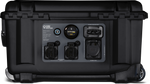 Batt Pack Energy | 3kW
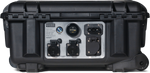 Batt Pack Pro | 5kW
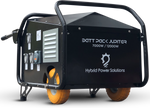 Batt Pack Jupiter | 7kW
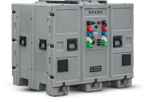 Spark Cube | 12kW/24kW
 TERRA | 166kVA
Resources

How to Set Up a Solar Hybrid Generator System in Canada
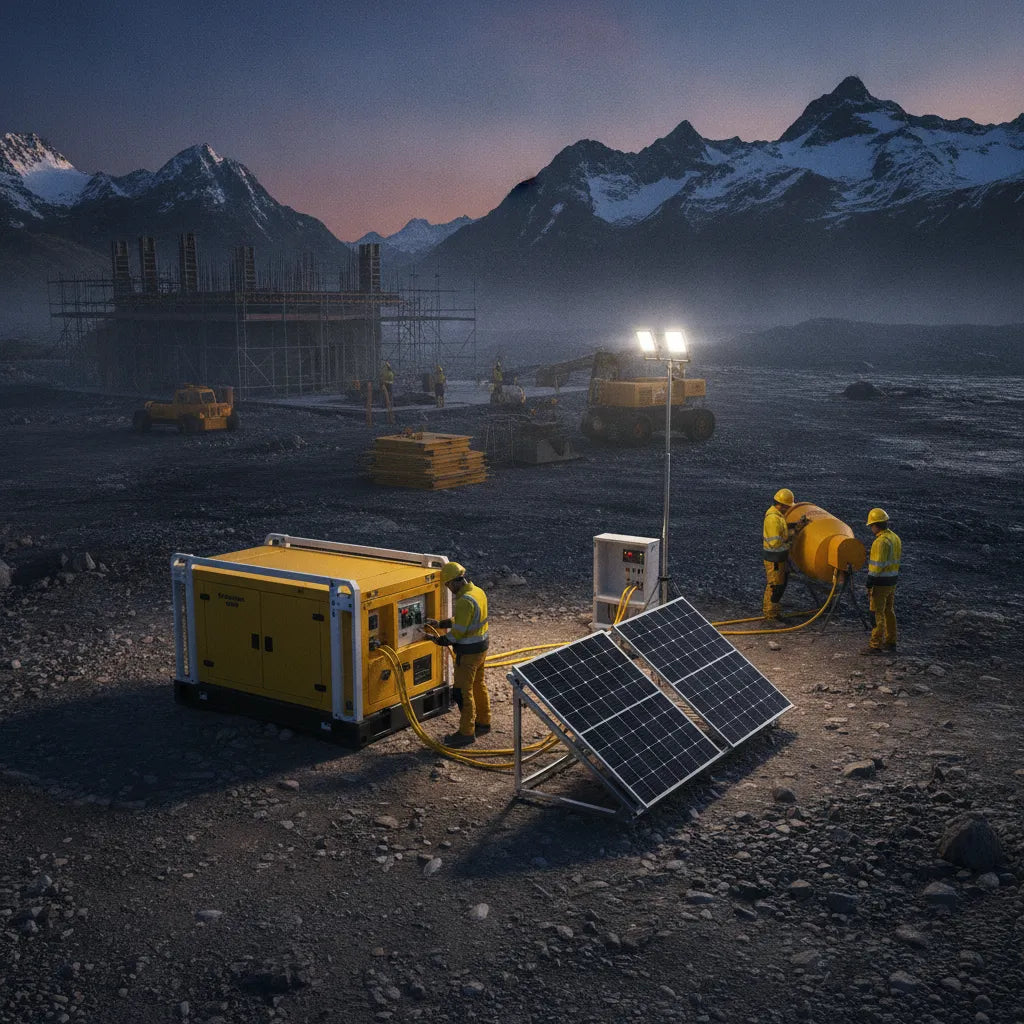
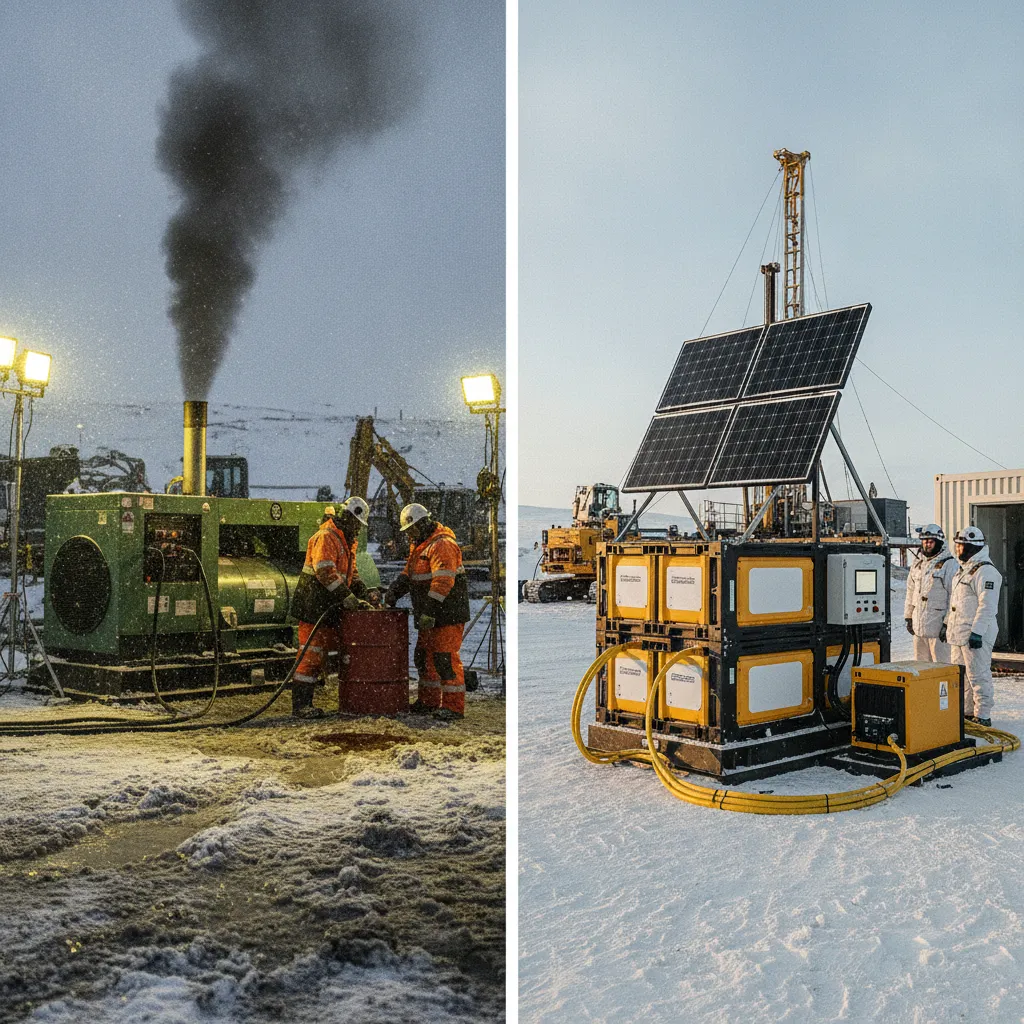
A solar hybrid generator system combines solar panels, a battery bank, and a backup power source (gas, diesel, or grid) to deliver continuous, reliable electricity even when the sun isn't shining. The system draws from solar first, stores surplus energy in batteries, and automatically switches to the backup source only when reserves run low. For remote sites, construction, or residential backup, this cuts fuel costs by 60–80% compared to running a diesel generator full-time.
"Hybrid solar systems are increasingly the most cost-effective solution for off-grid and remote power needs — combining renewables with backup generation eliminates the inefficiency of running a diesel generator at partial load around the clock." — Dr. Amir Fazeli, Energy Systems Researcher, University of Alberta
What You'll Need Before Sizing a Solar Hybrid Generator System
Gather your load data, site conditions, and use-case category before you select any hybrid power setup, skipping this step leads to undersized storage or wasted panel capacity. According to the Natural Resources Canada Renewable Energy Program, proper load assessment is the single most important factor in a successful solar installation.
How to Calculate the Right Capacity for Residential Backup vs. Off-Grid Living
Start with a full load audit. List every electrical load, tools, HVAC, lighting, battery chargers, with its wattage and daily run hours. A 2,000W continuous load running 8 hours draws 16 kWh/day at minimum; that number sets your floor for battery capacity before you add any safety margin.
Your use case determines the system architecture. Residential backup (occasional outages) needs enough storage to bridge 8–24 hours without solar input. Off-grid living requires a system sized for consecutive overcast days, typically 2–3 days of autonomy. Construction and temporary sites involve mobile, high-draw equipment that changes week to week, which demands a modular, reconfigurable setup rather than a fixed installation.
Solar resource is the next variable. Most of Canada receives 4–5 peak sun hours per day, which directly sets how many panels you need to recharge your battery bank between dusk and dawn. A site in northern Alberta in January may see fewer than 3 peak hours, factor that into your panel count, not your summer average. The Canadian Solar Radiation Database provides region-specific irradiance data to support accurate sizing calculations.
Power Requirements for Construction Sites and Temporary Installations
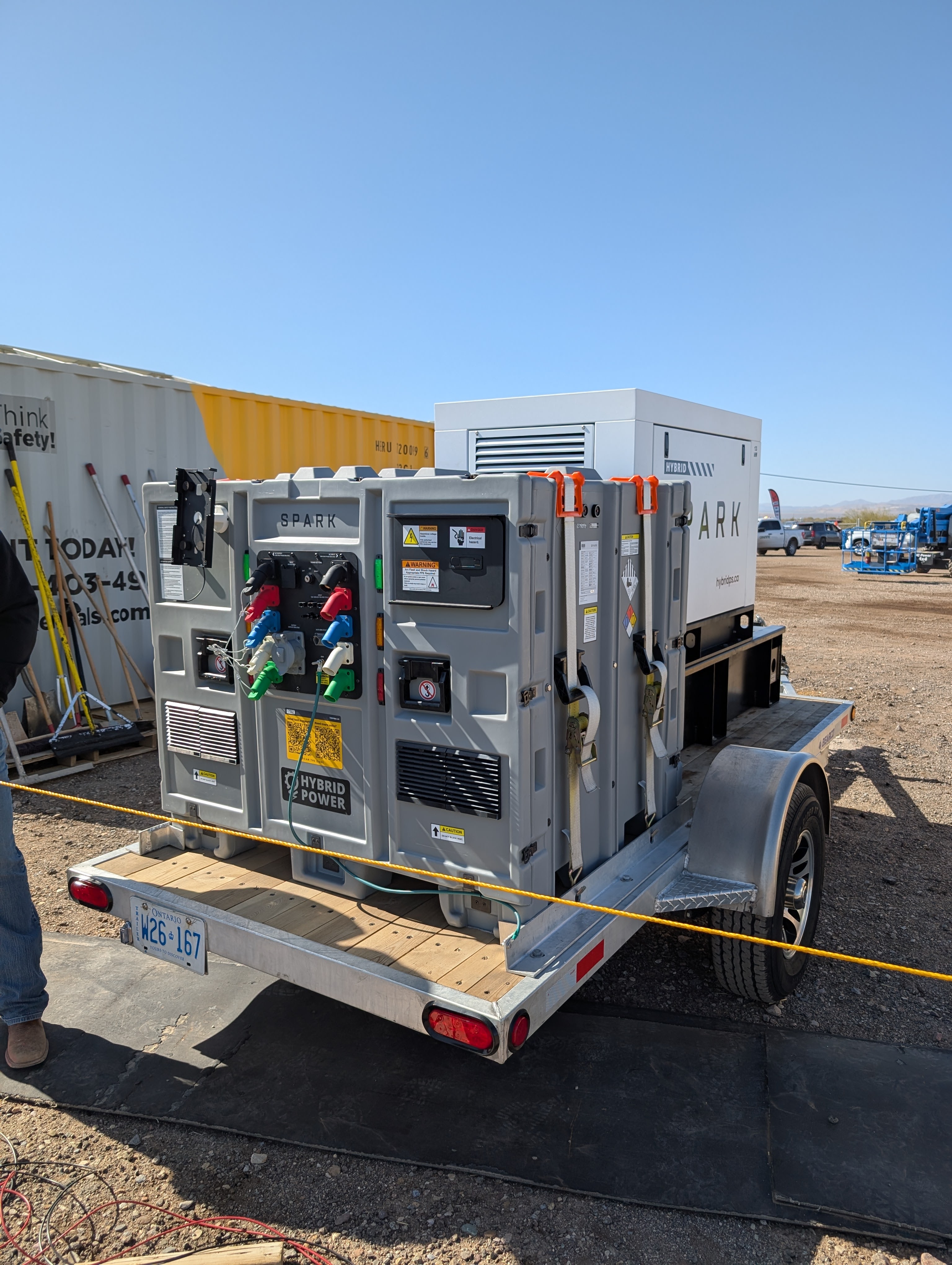
Construction sites add two variables that residential buyers rarely face: extreme cold and frequent relocation. Lithium battery capacity degrades measurably below -20°C, so any system deployed on a northern Canadian job site must be rated beyond that threshold. The Hybridps Batt Pack Pro is rated to -30°C, a spec that matters when a site outside Yellowknife hits -28°C in February and the crew still needs continuous power.
Fuel type is the final prerequisite. Propane stores more cleanly over long periods and doesn't gel in cold weather the way diesel does, making it the preferred backup fuel for remote winter deployments. Grid-tied hybrid configurations skip fuel entirely, but only where a utility connection exists on site.
Choose and Install Your Solar Hybrid Generator System Components
A complete hybrid power setup requires five core components: solar panels, an MPPT charge controller, a LiFePO4 battery bank, a hybrid inverter/charger, and a backup power source. For a broader overview of available configurations, Volta Energy's hybrid solar generator systems guide provides useful reference comparisons across system types.
What Components Make Up a Hybrid Solar Generator System
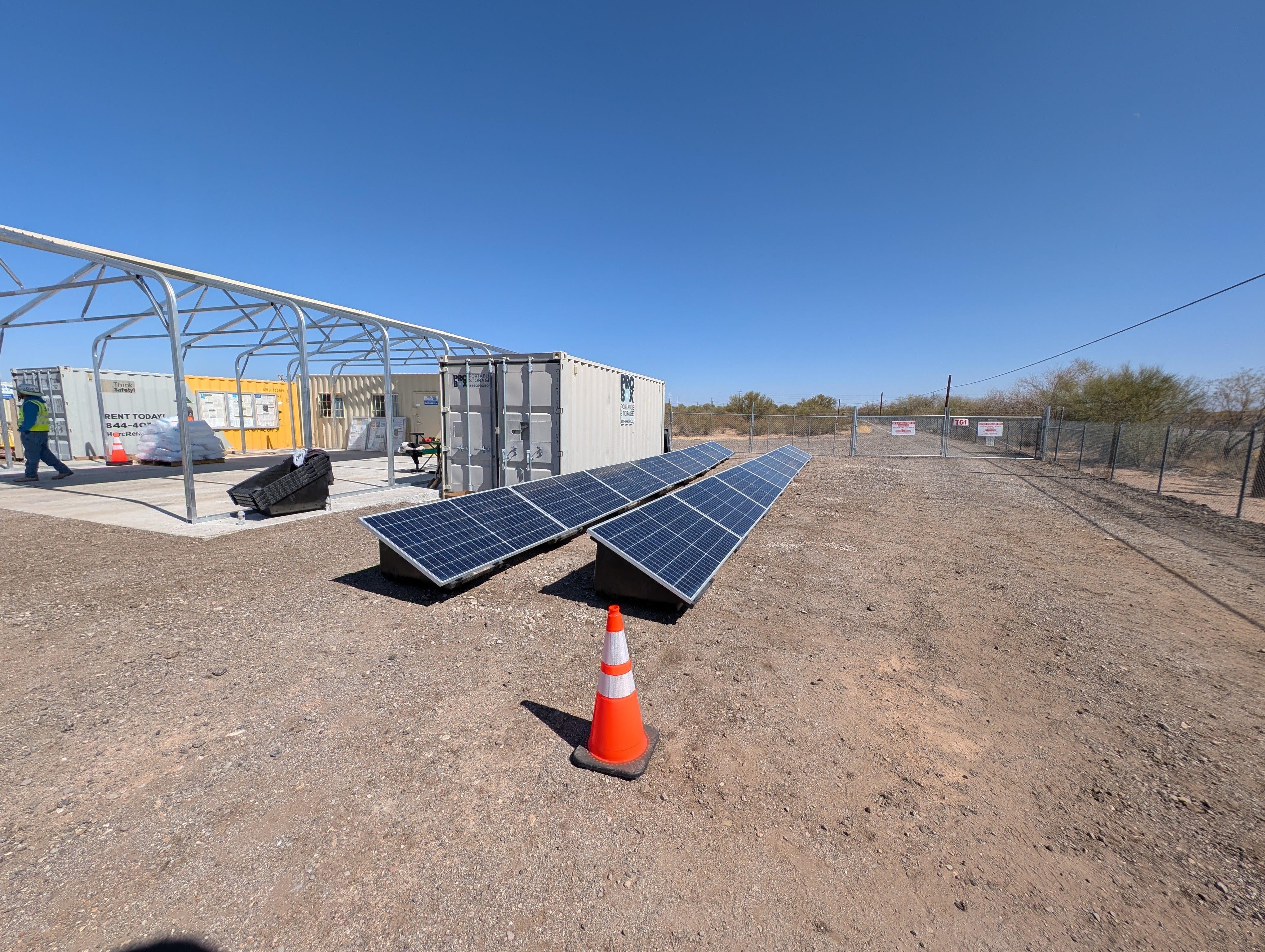
Start with your solar array, panels plus racking or mounting hardware. To size the array, divide your daily kWh demand by your location's peak sun hours, then add 25% to account for wiring losses, shading, and temperature derating. A site drawing 16 kWh/day in a 4-hour sun zone needs roughly 5 kW of panels.
Choose an MPPT charge controller over a PWM model. MPPT units extract up to 30% more energy from the same panels by continuously optimising the voltage-current relationship, a measurable difference on any commercial or industrial deployment.
For the battery bank, LiFePO4 chemistry is the right call for professional deployments. It delivers 3,000–5,000 charge cycles versus roughly 500 for lead-acid, and supports 80% depth of discharge reliably. A 16 kWh/day load requires 16–32 kWh of usable capacity to cover one to two days without solar input. Hybridps builds its battery systems around LiFePO4 cells, rated to -30°C, a critical spec for Canadian winters and northern job sites.
The hybrid inverter/charger ties everything together. It converts DC battery power to AC output, manages charging from multiple inputs, and handles automatic source switching. For construction or portable deployments, all-in-one enclosures — panels, battery, and inverter in a single unit — cut setup time and reduce wiring errors on site. Portable options from manufacturers like EcoFlow's solar generator lineup illustrate how integrated designs have evolved for field use.
"The integration of lithium iron phosphate batteries with hybrid inverters has fundamentally changed what's possible for off-grid and construction power — systems that once required daily generator runs can now operate on solar alone for the majority of working hours." — Mark Thornton, Senior Engineer, Canadian Renewable Energy Association
Key Advantages of LiFePO4 Over Lead-Acid in Hybrid Systems
When evaluating battery chemistry for a hybrid power installation, the differences between LiFePO4 and traditional lead-acid are significant enough to affect total cost of ownership over a 10-year deployment. The main advantages of LiFePO4 include:
- Cycle life: 3,000–5,000 full charge cycles versus approximately 500 for lead-acid, meaning far fewer replacements over the system's lifetime.
- Depth of discharge: LiFePO4 can be safely discharged to 80% without degradation; lead-acid should not exceed 50% discharge to preserve longevity.
- Cold-weather performance: Quality LiFePO4 packs with integrated thermal management maintain discharge performance at -30°C; lead-acid loses up to 50% capacity at -20°C.
- Weight and footprint: LiFePO4 packs are roughly half the weight of equivalent lead-acid banks, a meaningful advantage for mobile and construction deployments.
- Maintenance: No water topping, no corrosion management, and no equalization charges required — the battery management system handles cell balancing automatically.
How a Solar Hybrid Generator Switches Between Solar Power and Battery Backup
Source switching happens inside the hybrid inverter/charger, which continuously monitors solar input, battery state of charge, and load demand. When solar output drops, at dusk or under heavy cloud cover, the inverter transfers the load to battery power automatically. For more information, see Keyword Generator.
Specify a transfer time under 20 milliseconds when comparing inverter units. Transfers above that threshold can interrupt sensitive electronics, PLCs, and communication equipment common on industrial sites. The backup generator or grid tie-in activates only when battery reserves fall below a set threshold, keeping fuel consumption and run hours to a minimum.
- Solar array feeds the MPPT charge controller, which charges the battery bank and supplies the inverter simultaneously.
- The hybrid inverter prioritises solar power for live loads; surplus energy charges the battery bank.
- When solar output is insufficient, the inverter draws from the battery bank without interruption.
- If battery state of charge drops below the programmed threshold (typically 20% for LiFePO4), the backup generator or grid connection activates to recharge and carry the load.
Compare Solar Hybrid Generator System Costs Against Diesel
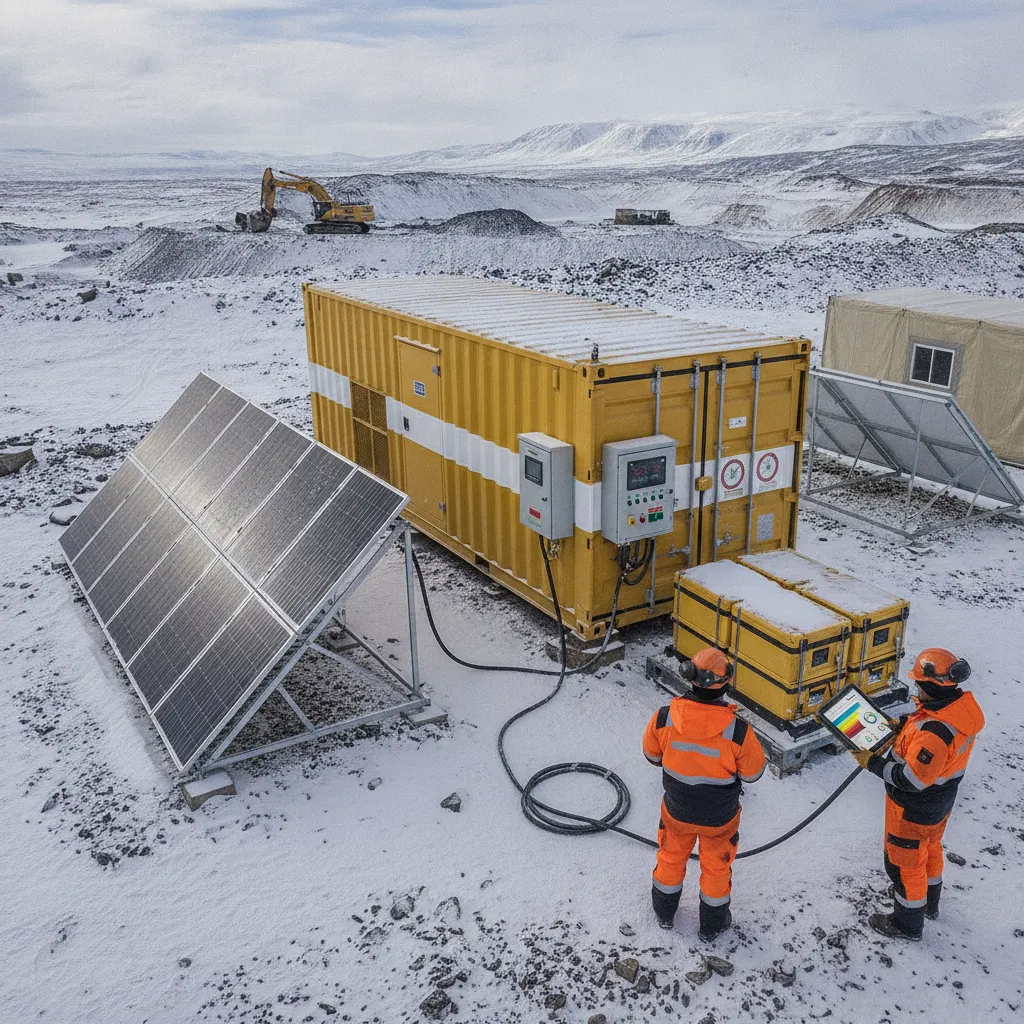
Over 10 years, a solar hybrid generator system typically costs 40–55% less than diesel-only power when modeled at current Canadian fuel prices.
Upfront, the gap favours diesel. A portable solar hybrid unit runs $1,500–$5,000 CAD; a commercial or whole-site installation lands at $15,000–$80,000+ installed. A diesel generator costs $3,000–$20,000 to purchase. That initial spread disappears fast once fuel starts flowing.
A 10 kVA diesel generator burns roughly 2.5 L/hr at 50% load. At $1.80/L CAD, that's $4.50/hr, $36 per 8-hour shift, and approximately $9,000/year on fuel alone. A solar hybrid system with LiFePO4 battery storage and solar input cuts that number significantly, often to near zero during daylight hours on a well-sited installation.
ROI and Payback Period for Switching from Diesel to Solar Hybrid
Most commercial installations recover the cost premium over diesel in 2–4 years when fuel savings, reduced maintenance, and carbon credit eligibility are factored in together. Canadian carbon pricing adds further pressure on diesel operating costs each year, which shortens that payback window on new contracts. According to the U.S. Department of Energy's Solar Energy Technologies Office, hybrid solar installations consistently demonstrate payback periods under five years in high-fuel-cost environments — a finding that applies equally to Canadian remote and industrial deployments.
| Cost Category | Diesel Generator (10-yr) | Solar Hybrid System (10-yr) |
|---|---|---|
| Capital cost | $10,000–$20,000 | $20,000–$50,000 |
| Fuel | ~$90,000 | Minimal to $0 |
| Scheduled maintenance | $15,000–$25,000 | $1,000–$3,000 |
| Estimated 10-yr total | $115,000–$135,000 | $21,000–$53,000 |
Maintenance Requirements and Lifespan Differences
Diesel generators require oil changes every 250 hours, typically $300–$500 per service, plus injector cleaning and annual overhauls that add up quickly on a working site. A LiFePO4 battery system like the Hybridps Batt Pack Pro or Jupiter carries near-zero scheduled maintenance for 10+ years, with no oil, no filters, and no cold-start failures at -30°C.
That maintenance gap alone often justifies the switch on remote deployments where a service technician visit costs $1,500–$3,000 in travel before a wrench is even picked up.
Common Mistakes to Avoid When Setting Up a Solar Hybrid System
The five most damaging errors in a hybrid power installation are undersized batteries, mismatched voltages, ignored cold-weather derating, missing transfer switches, and wrong product tier.
Undersizing the battery bank is the most common and costly mistake. Buyers size for average sunny days, then get stranded during a 3-day overcast stretch. In Canadian climates, design for a minimum of 2 days of autonomy, not 1, to cover the low-irradiance periods that occur routinely from October through March.
Mismatching inverter and battery voltage destroys efficiency and can damage components outright. A 48V battery bank wired to a 24V inverter is a common field error. Verify voltage compatibility across every component, battery, inverter, charge controller, before purchase, not during commissioning.
Ignoring cold-temperature derating is a critical oversight for outdoor Canadian deployments. Standard lithium batteries lose 20–30% capacity at -10°C and can fail to charge below -20°C. Specify batteries with built-in heating elements, Hybridps LiFePO4 systems are rated to -30°C and include thermal management for exactly this reason.
Skipping a proper automatic transfer switch, or using an undersized one, means the system won't switch sources cleanly under peak load. Without a transfer switch rated for your actual peak draw, backfeeding utility lines is a real risk and a code violation under Canadian electrical standards.
Buying consumer-grade units for commercial loads is a mismatch that shows up fast. Units marketed for camping typically carry 1–2 kWh of capacity. That won't sustain construction tools, HVAC, or site lighting through a full shift. Match the product tier to the actual duty cycle before you commit to a purchase.
"One of the most frequent and avoidable failures we see in field-deployed hybrid systems is undersized battery storage combined with consumer-grade inverters — the result is premature equipment failure and unexpected downtime at exactly the wrong moment." — Sandra Kowalski, Director of Field Operations, Canadian Off-Grid Power Association
Verify Your Solar Hybrid Generator System Is Performing Correctly
Confirm your hybrid power setup is working correctly by reviewing SOC logs, testing source switching, and tracking backup fuel use over the first week.
Pull your inverter's state-of-charge logs daily for the first seven days. On a clear day, the battery bank should reach 90–100% SOC; overnight it should not drop below 20%. If you see consistent shortfalls on both ends, your panels are undersized or your actual loads are running higher than your initial estimate, either way, recalculate before adding more equipment to the site.
Test automatic source switching deliberately. Run the batteries down to 30% SOC and time the transition. A backup generator should start and pick up load in under 30 seconds; a grid-tied fallback should transfer in under 20ms. If the switchover is slower or fails to trigger, check your inverter's transfer settings and confirm the control signal wiring is intact.
Track how often the backup source runs. If it accounts for more than 10–15% of total operating hours, the solar and battery side is not carrying its share of the load, add panel capacity or storage before the next deployment cycle.
Check inverter efficiency under real load conditions. A quality hybrid inverter holds 93–96% efficiency at 50–100% load. Efficiency dropping below 90%, or the unit running unusually hot, points to wiring losses or a failing component that needs immediate attention.
For Hybridps Batt Pack Pro and Spark Cube deployments, use the onboard display or the companion app to review charge cycle counts and check for cell-level anomalies. Catching a single cell drifting out of balance early prevents it from reducing overall runtime, the battery management system logs this data automatically, so there is no manual measurement required.
Frequently Asked Questions
What is the difference between a portable solar generator and a whole-home solar hybrid system?
A portable solar generator is a self-contained battery unit paired with solar panels for mobile or temporary power needs; a whole-home solar hybrid system is a fixed installation tied to your electrical panel and utility grid. This guide focuses on industrial and field-deployed systems, construction sites, remote job sites, and defence operations, not residential backup. For those applications, portability, multi-input charging (solar, alternator, grid, generator), and extreme-temperature ratings matter far more than panel count or home integration.
How long do solar hybrid generator systems last, and what warranty should I expect?
LiFePO4 battery systems typically deliver 3,000–5,000 charge cycles before capacity drops below 80%, which translates to 10–15 years of regular field use. Industrial-grade systems should carry at minimum a two-year warranty on the battery and electronics. Ask specifically about warranty coverage for cold-weather operation, many imported units void coverage below -20°C, which matters on Canadian job sites where temperatures regularly drop to -30°C.
Can a solar hybrid generator system power a construction site in winter in Canada?
Yes, provided the system is rated for cold-weather operation and uses LiFePO4 chemistry, which maintains discharge performance at temperatures down to -30°C. Standard lithium-ion cells lose 20–30% of usable capacity at -20°C. The Hybridps Batt Pack Pro and Jupiter units are engineered and tested for Canadian winter conditions, with integrated thermal management that keeps the battery management system (BMS) operating safely without external heating equipment. Pre-planning charge cycles around reduced winter solar irradiance is still required.
How does the Hybridps Batt Pack Pro compare to EcoFlow and Bluetti solar generator systems?
The Batt Pack Pro is built for industrial B2B deployment, not consumer or residential use, that's the core difference. Consumer-focused solar generator brands cap output in the 3–4 kW range and are not rated for -30°C operation or continuous industrial duty cycles. The Batt Pack Pro accepts multiple charging inputs (solar, alternator, grid, generator), is assembled in Canada with full supply chain control, and is backed by local technical support. For construction, mining, or defence applications, that combination of cold-weather rating, multi-input charging, and domestic engineering is not available from consumer-tier alternatives.
What permits or electrical codes apply to installing a solar hybrid system in Canada?
In Canada, hybrid solar installations must comply with the Canadian Electrical Code (CEC), Part I, which governs wiring methods, overcurrent protection, and grid interconnection requirements. Most provinces also require an electrical permit and inspection before energizing any system connected to the utility grid. Off-grid installations on private land may have fewer requirements, but battery storage systems above a certain capacity threshold often still require a permit. Always consult a licensed electrical contractor familiar with your provincial authority having jurisdiction (AHJ) before commissioning any hybrid power installation.
Conclusion
A solar hybrid generator system delivers the most value when you match battery chemistry, power tier, and charging inputs to your specific site conditions, not when you buy the most familiar brand name. For Canadian field operations, that means specifying LiFePO4 cells rated to -30°C, confirming multi-input charging capability, and sizing storage against your peak load plus a realistic solar harvest for your season and latitude.
If your site runs diesel generators today, calculate your monthly fuel and maintenance spend, then request a configuration quote from Hybridps for the Batt Pack Pro or Jupiter, bring those numbers to the conversation so the comparison is concrete from the first call.
Recommended Articles
Explore more from our content library: