

Products
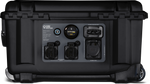 Batt Pack Energy | 3kW
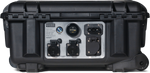 Batt Pack Pro | 5kW
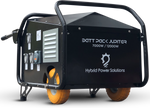 Batt Pack Jupiter | 7kW
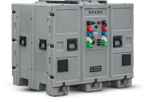 Spark Cube | 12kW/24kW
 TERRA | 166kVA
Resources

The Quietest Backup Power Generators on the Market in 2026
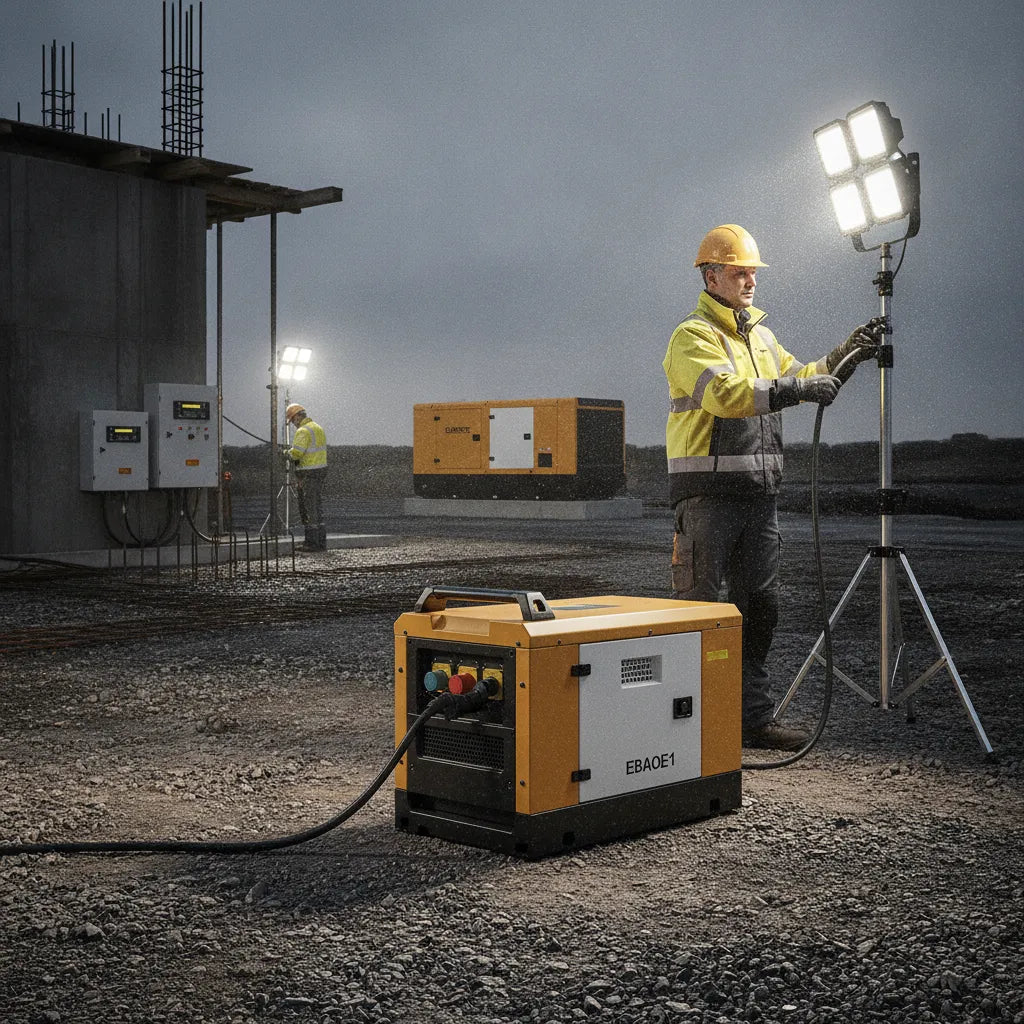
Understanding what makes a quiet backup power generator the right choice for your site is essential. The quietest backup power generators run between 50–65 dB, roughly the volume of a normal conversation. Inverter generators (Honda EU2200i, Yamaha EF2000iS) and battery-based systems like the Hybridps Batt Pack Pro lead the category for low-noise operation. For whole-home standby use, propane or natural gas standby units with sound-attenuated enclosures typically hit 60–65 dB. Your best choice depends on runtime needs, fuel access, and whether noise ordinances apply to your site.
"Noise pollution from generators is one of the most overlooked compliance risks on regulated job sites. A quiet backup power generator rated under 60 dB can mean the difference between a productive deployment and a costly shutdown order." — Dr. James Fenton, Director, Florida Solar Energy Center at University of Central Florida
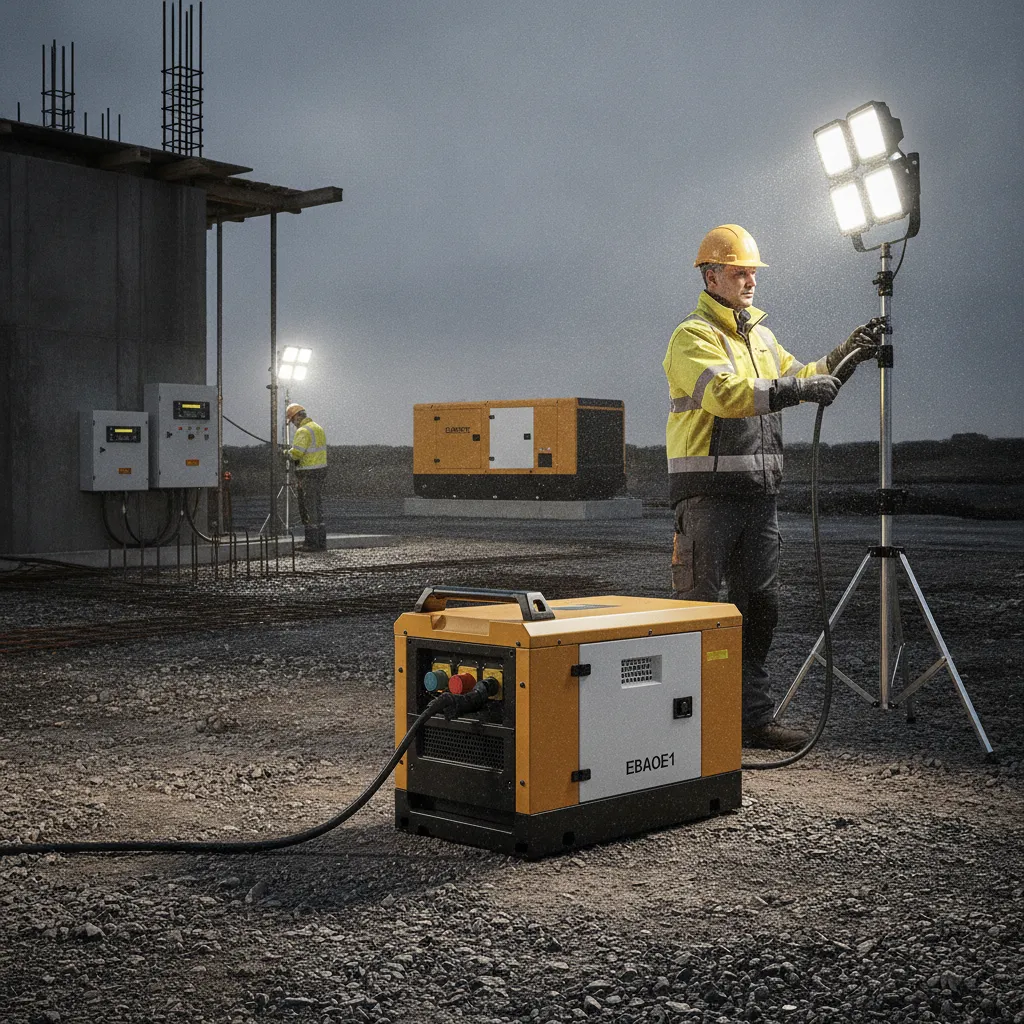
1. Hybridps Batt Pack Pro, Best Quiet Backup Power Generator for Remote and Off-Grid Sites
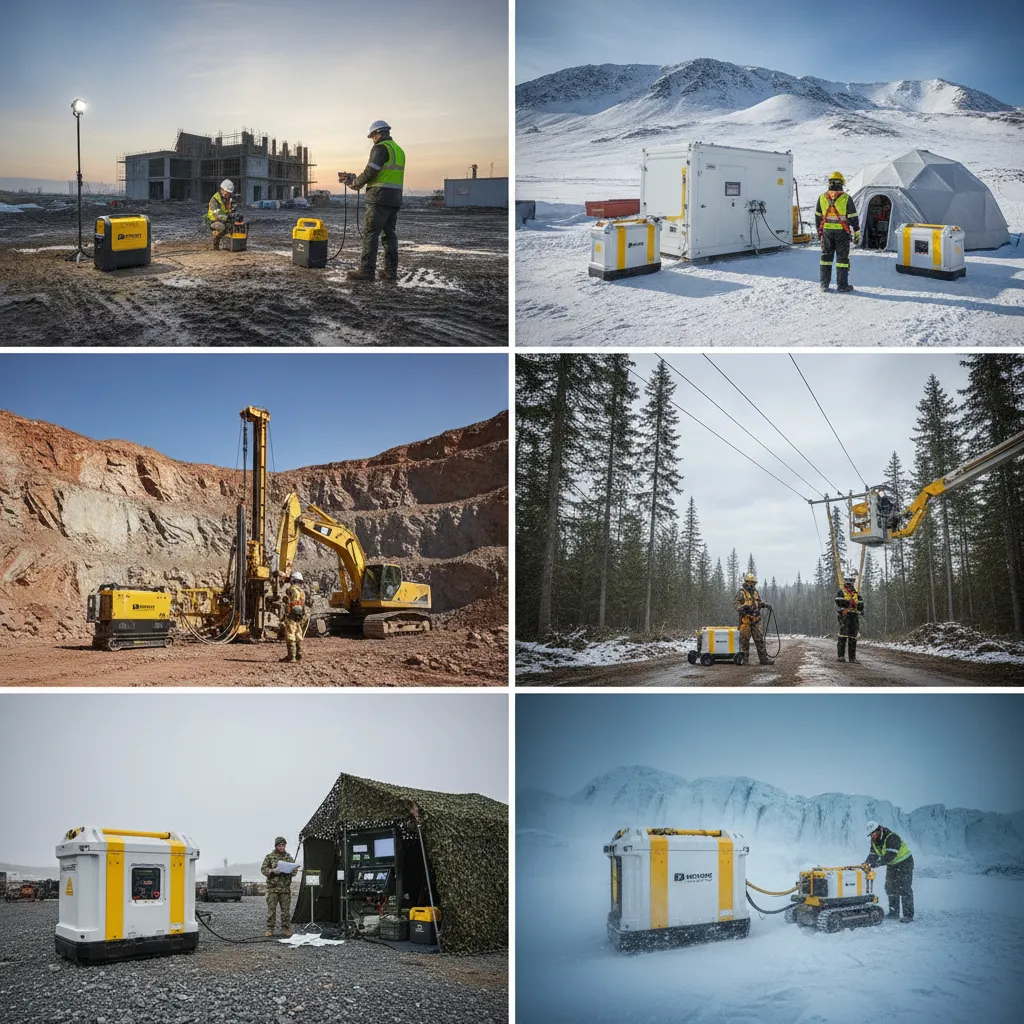
The Batt Pack Pro delivers completely silent, zero-emission backup power rated to -30°C, purpose-built for remote Canadian job sites where noise and fuel logistics are real constraints.
Operating at 0 dB, the Batt Pack Pro produces no combustion noise, no exhaust, and requires no on-site fuel storage. That alone eliminates the two most common compliance failures on regulated construction and mining sites.
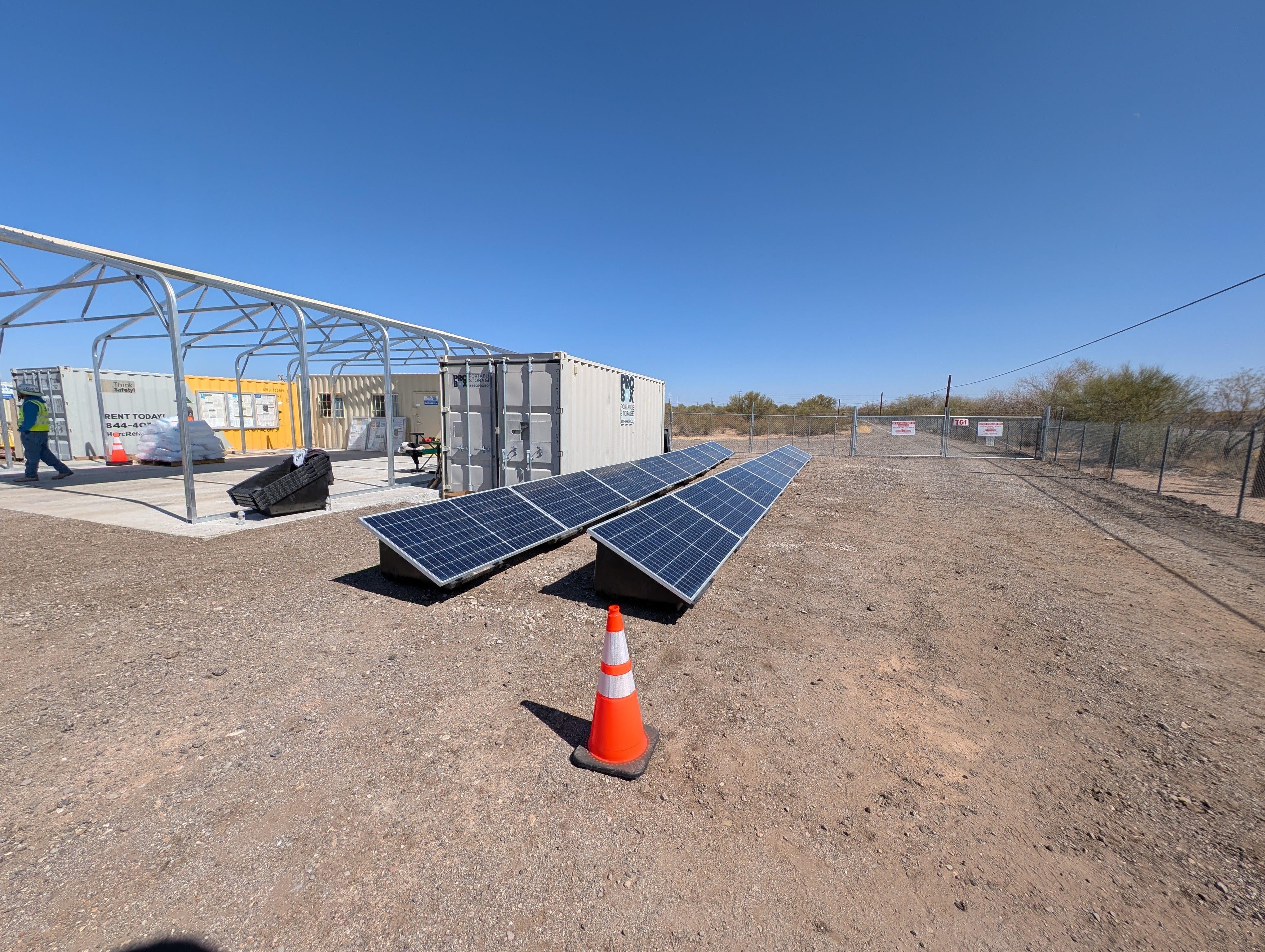
The unit accepts multiple charging inputs, solar panels, shore power, and vehicle alternators, so recharging stays flexible regardless of what infrastructure exists at the deployment point. It delivers 8 hours of continuous runtime under load, which outpaces most portable inverter generators that top out at 4–6 hours before requiring refuelling or rest cycles.
Engineered and assembled in Canada, the Batt Pack Pro is the only unit in this list rated for operation at -30°C, a specification that matters on northern construction sites, remote mining operations, and emergency response deployments where cold-start failures are a genuine operational risk, not a theoretical one.
Best for: Construction site managers, mining operators, and emergency response teams facing noise restrictions, fuel delivery constraints, or winter deployment requirements.
2. Honda EU2200i, Best Quiet Inverter Generator for Home Backup
The Honda EU2200i runs at 48–57 dB depending on load, making it the benchmark residential inverter generator for quiet backup power in North America.
Output is 2,200W surge and 1,800W rated, enough to run a refrigerator, a few lights, and phone charging simultaneously. At 25% load, it burns approximately 0.95 L/hr and runs up to 8.1 hours on a single tank, which covers most overnight outages without a refuel.
Two EU2200i units can be parallel-linked to deliver 3,600W combined output without a significant noise increase, useful when a sump pump or window AC unit needs to share the load. Honda's CO-MINDER sensor is the feature most reviews overlook: it auto-shuts the unit if carbon monoxide reaches a dangerous threshold, which is critical if the generator is running near a garage door or partially enclosed porch during a storm.
According to the U.S. Department of Energy's guidance on backup power, inverter generators are among the most fuel-efficient and low-noise options available for residential use, making the EU2200i a strong fit for homeowners seeking a quiet backup power generator without sacrificing reliability.
Best for: Homeowners who need occasional, quiet residential backup and want a proven, fuel-efficient unit with a strong dealer service network.
3. Yamaha EF2000iS, Best Quiet Generator for Sensitive Electronics
The Yamaha EF2000iS operates at 51.5–61 dB and produces less than 2.5% total harmonic distortion, the cleanest power output in its wattage class for sensitive equipment.
A THD below 2.5% means laptops, CPAP machines, and medical monitoring equipment can run safely without risk of voltage irregularities damaging internal components. Most open-frame generators run at 10–25% THD, which is outside the safe threshold for that category of load.
At 20.9 kg, the EF2000iS is lighter than most 2,000W competitors, which matters when you're carrying it to a backup location during an outage. Runtime reaches up to 10.5 hours at 25% load, the longest in its class. Yamaha's Smart Throttle system automatically adjusts engine speed to match the actual load, which reduces both noise output and fuel consumption simultaneously rather than running at fixed RPM regardless of demand.
Best for: Home office users, medical equipment operators, and anyone running electronics that require stable, clean AC power during outages.
4. Generac 7117 GP3000i, Best Budget Quiet Inverter Generator
The Generac GP3000i delivers inverter-grade quiet operation at 58 dB for a street price of $600–$750 CAD, roughly half the cost of comparable Honda units.
Output is 3,000W surge and 2,300W running, which handles a refrigerator, lights, and device charging at the same time. Generac's PowerRush technology provides 50% more starting capacity than the rated wattage, which reduces the voltage spike, and the associated noise spike, when a compressor or motor kicks on.
Built-in USB charging ports let you power phones and tablets directly without an inverter adapter, which is a practical advantage during a home outage when every outlet counts. For cost-conscious buyers who need occasional quiet backup power and don't require the runtime or cold-weather ratings of industrial units, the GP3000i covers the basics without the premium price.
Best for: Homeowners who experience infrequent outages and want a capable, affordable inverter generator without paying for features they won't use regularly. For more information, see Keyword Generator.
5. Champion 3500-Watt Dual Fuel Inverter Generator, Best Quiet Generator for Extended Outages
The Champion 3500-Watt Dual Fuel inverter generator runs at 59 dB on gasoline and 61 dB on propane, both within quiet inverter range, with up to 14.5 hours runtime on a single gasoline tank at 25% load.
The dual-fuel capability is the core differentiator here: you can switch between gasoline and propane without tools, mid-outage, when one fuel source runs dry. Propane runtime runs approximately 10 hours at the same load, shorter, but propane stores indefinitely and doesn't degrade the way gasoline does after 30 days.
At 3,500W surge and 3,150W running output, the Champion can handle a sump pump, a refrigerator, and several lights running concurrently, the load profile that matters most during a multi-day weather event. The included wireless remote start lets you trigger the unit from inside the house during a storm, a feature absent from both the Honda EU2200i and Yamaha EF2000iS at this price point.
Best for: Homeowners in regions prone to extended outages from ice storms or hurricanes, where fuel flexibility and long runtime matter more than compact size or ultra-low weight.
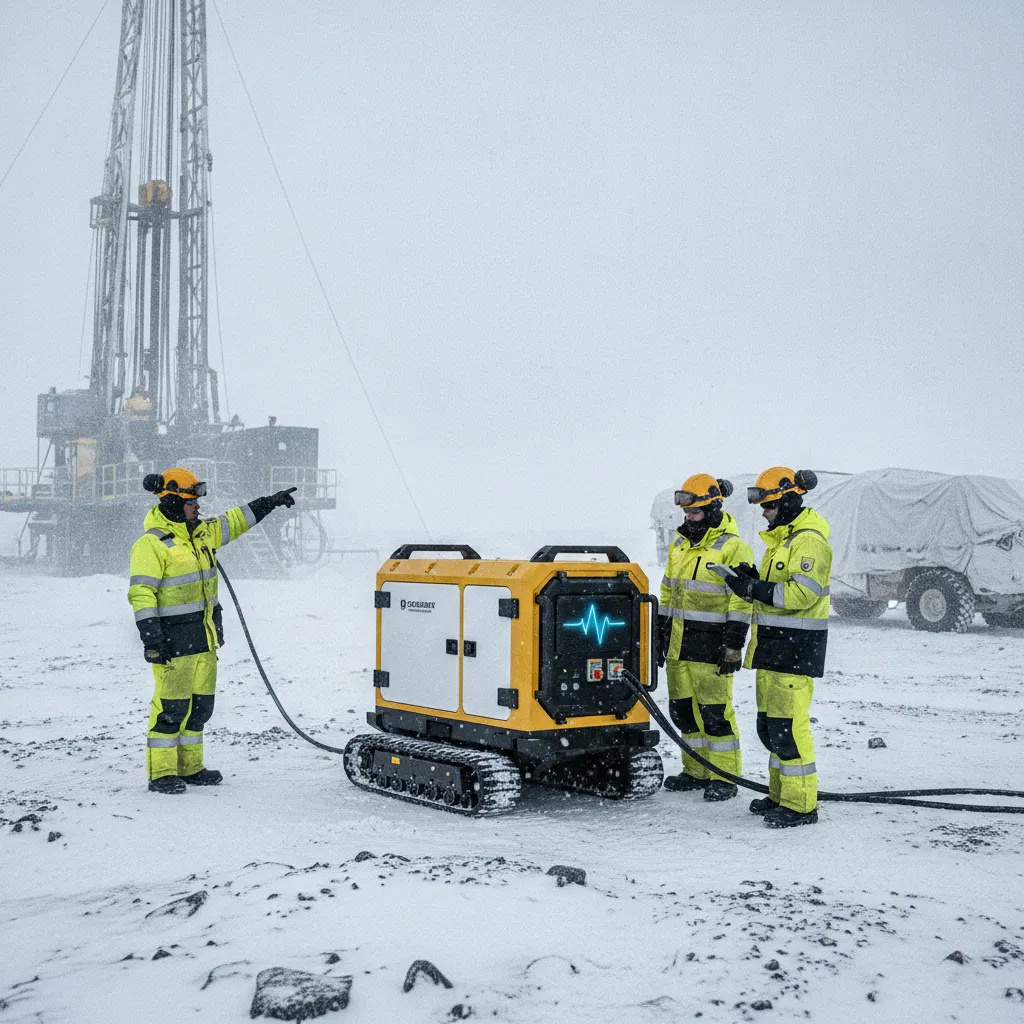
6. EcoFlow DELTA Pro, Best Quiet Battery Backup Generator for Whole-Home Use
The EcoFlow DELTA Pro delivers completely silent, zero-exhaust backup power with 3.6 kWh base capacity that expands to 25 kWh, enough for 12–24 hours of whole-home coverage.
Unlike any combustion generator, it operates at 0 dB with no exhaust, making it safe for indoor placement. X-Stream charging brings the unit from 0–80% in 65 minutes from a standard outlet, the fastest recharge speed in its class.
The Smart Home Panel integration supports automatic transfer switching without a licensed electrician in some Canadian provinces, reducing installation cost and complexity. It suits homeowners who want a quiet backup power generator without permits or professional wiring in eligible jurisdictions.
"Battery-based energy storage systems represent the next generation of quiet backup power. When paired with renewable charging sources, they offer indefinite runtime with zero acoustic or emissions impact — a critical advantage in urban and noise-sensitive environments." — Dr. Marilyn Brown, Professor of Sustainable Systems, Georgia Institute of Technology
Differentiator: The DELTA Pro uses LFP (lithium iron phosphate) chemistry rated for 3,500+ charge cycles, approximately 10 years of daily use. Standard lithium-ion units from competing brands in the same category typically cap at 500 cycles, meaning the DELTA Pro's battery lasts roughly seven times longer before capacity degrades.
7. Westinghouse iGen4500, Best Quiet Generator for RV and Campsite Backup
The Westinghouse iGen4500 runs at 52 dB and includes a dedicated 30A RV outlet, making it the strongest quiet backup power generator option for RV owners and campers needing reliable site power.
At 25% load, it delivers up to 18 hours of runtime, the longest figure in the 4,000W+ inverter segment. Remote start comes standard, with electric start and a backup recoil pull for field reliability.
The dedicated 30A RV outlet eliminates adapters and splitters that introduce failure points on the road. At 4,500W peak output, it handles air conditioning, a microwave, and charging simultaneously.
Differentiator: The built-in data centre displays voltage, wattage, runtime, and fuel level simultaneously on a single panel. Honda and Yamaha equivalents at this wattage require separate gauges or a companion app to surface the same diagnostic detail.
8. Kohler 14RESAL, Best Quiet Standby Generator for Whole-Home Automatic Backup
The Kohler 14RESAL auto-starts within 10 seconds of a power outage, delivers 14,000W on natural gas or propane, and operates at 62–65 dB inside a sound-attenuated aluminium enclosure.
That noise level sits below most standby generators in its output class. The enclosure design reduces mechanical and exhaust noise without restricting airflow or cooling performance in cold climates.
Installation requires a licensed electrician and an automatic transfer switch (ATS). Expect a total installed cost of $4,000–$8,000 CAD depending on panel location and gas line proximity. This is a permanent, whole-home solution, not a portable unit.
Kohler backs the 14RESAL with a 5-year / 2,000-hour warranty, the longest standard warranty among major standby generator brands.
Differentiator: OnCue Plus remote monitoring lets owners check generator status, schedule self-tests, and receive fault alerts via smartphone at no recurring cost. Generac's equivalent monitoring platform requires a paid subscription after the first year.
9. Hybridps Spark, Best Compact Quiet Backup Power Generator for Drone and Field Operations
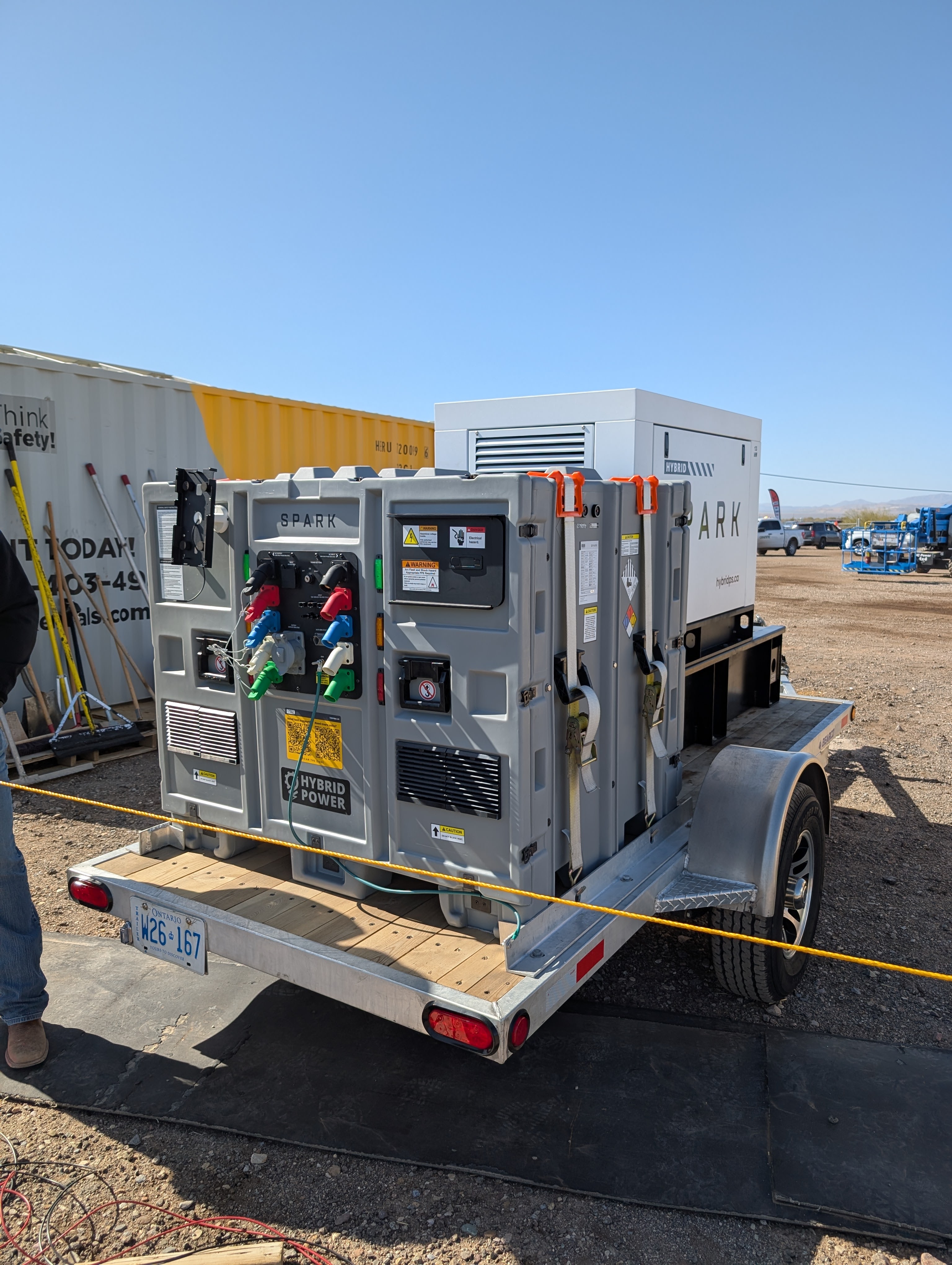
The Hybridps Spark Cube produces zero combustion noise and delivers clean DC output in a backpack-portable form factor purpose-built for drone deployment and remote field operations.
Generator noise directly interferes with drone audio sensors and wildlife monitoring equipment. The Spark Cube eliminates that problem entirely, no exhaust, no vibration, no acoustic signature that compromises mission data or disturbs sensitive environments.
Engineered and assembled in Canada, the Spark Cube is rated for extreme cold operation down to -30°C. Consumer-grade battery stations from competing brands are not tested or rated below -20°C, which creates failure risk on winter field deployments in northern Canada or high-altitude sites.
The unit delivers stable, clean DC output with minimal voltage fluctuation, the specific power quality that drone battery chargers require to extend flight time and protect battery management systems.
Differentiator: The Spark Cube is designed from the ground up for drone operators and field teams. No other unit on this list targets that use case directly, every other option here is a general-purpose generator adapted to field conditions rather than built for them.
How to Choose the Right Quiet Backup Power Generator
Match your generator to five variables: noise limit, wattage requirement, fuel type, expected outage duration, and installation budget, in that order.
Noise Threshold
Most Canadian municipalities cap generator noise at 55–65 dB at the property line. Check your local bylaw before purchasing, a unit rated at 68 dB may trigger a fine even if it meets the manufacturer's "quiet" marketing claim. According to the CDC's National Institute for Occupational Safety and Health (NIOSH), prolonged exposure to noise above 85 dB causes permanent hearing damage, reinforcing why selecting a quiet backup power generator matters beyond simple compliance.
Wattage
Add your essential loads and build a clear picture of your power requirements before purchasing:
- Refrigerator: approximately 700W
- Sump pump: approximately 1,300W
- Furnace fan: approximately 800W
- Lights (LED, 5 fixtures): approximately 50–100W
- Phone and device charging: approximately 100–200W
That totals roughly 2,800W for basic loads. Add a 20% surge buffer and most households need 3,000–5,000W for basic backup coverage.
Fuel Type
Each fuel type carries distinct trade-offs for a quiet backup power generator deployment:
- Gasoline: Widely available but degrades in 30 days without a stabiliser. Best for occasional, short-duration outages.
- Propane: Stores indefinitely and suits long-term standby setups. Slightly louder than gasoline in some units.
- Natural gas: Ideal for permanent standby installations with existing gas line access. No fuel storage required.
- LFP battery: Requires pre-charging but draws $0 per kWh when paired with solar — the lowest ongoing fuel cost of any option on this list.
Runtime vs. Capacity
Inverter generators suit 1–3 day outages. Standby generators on natural gas handle weeks without refuelling. Battery systems cover 12–48 hours unless paired with a solar recharge source, which can extend runtime indefinitely in adequate sun conditions.
Installation Cost
Portable inverter generators require no installation. Standby generators need an ATS and a licensed electrician, budget $2,000–$5,000 CAD for labour alone, before equipment. Battery systems with smart transfer panels fall between those two extremes depending on panel complexity and province.
Frequently Asked Questions
What decibel level is considered quiet for a backup generator?
Below 60 dB at 23 feet (7 metres) is the accepted threshold for a quiet backup generator, roughly the volume of a normal conversation. Conventional open-frame diesel generators typically run at 70–85 dB, which exceeds noise bylaws on many regulated job sites and residential areas. Battery-based systems like the Hybridps Batt Pack series operate at near-zero acoustic output, making them the quietest option available for noise-sensitive deployments, including defence forward operating bases and urban construction sites.
Can I run a quiet generator indoors or in a garage during a power outage?
No gas or diesel generator, quiet or otherwise, should ever be run indoors or in an enclosed garage; carbon monoxide poisoning is a documented cause of death during power outages. The only safe indoor option is a battery-based power system, which produces zero exhaust. According to the U.S. Consumer Product Safety Commission (CPSC), generator-related carbon monoxide incidents cause hundreds of deaths annually. LiFePO4 battery systems from Hybridps are designed for enclosed and semi-enclosed deployment precisely because they emit no combustion gases.
How long can a quiet inverter generator run on one tank of gas?
Most quiet inverter generators run 8–10 hours at 25% load on a single tank, though runtime drops sharply under heavier loads. This article focuses on B2B and industrial applications where runtime continuity matters more than tank size. Battery systems with multi-input charging, solar, grid, alternator, or a generator top-up, can extend effective runtime indefinitely on a job site without fuel resupply.
What is the difference between an inverter generator and a standby generator for home backup?
An inverter generator is a portable, fuel-powered unit that produces clean AC power through electronic conversion, quieter and more fuel-efficient than open-frame models, but still dependent on gasoline. A standby generator is a permanently installed, auto-start unit typically running on natural gas or propane. This article does not cover residential whole-home backup; the industrial and defence buyers we address require a third category, battery energy storage systems (BESS) with hybrid multi-input charging, which neither inverter nor standby generators provide.
How do I find noise bylaws for generators in my municipality?
Most Canadian and U.S. municipalities publish noise ordinances through their official city or county websites. Search for your municipality's name alongside "noise bylaw" or "generator noise ordinance." Many jurisdictions set limits between 55–65 dB at the property line during daytime hours, with stricter limits at night. Natural Resources Canada's energy efficiency resources also provide guidance on compliant backup power equipment selection for Canadian homeowners and businesses. Always verify local requirements before purchasing a quiet backup power generator for permanent or semi-permanent installation.
Conclusion
Selecting the right quiet backup power generator for industrial, defence, and remote-site operations comes down to three decisions: the noise threshold your site or contract requires, the runtime your operation demands, and whether fuel logistics are a liability you can afford. Battery-based LiFePO4 systems eliminate all three friction points, no exhaust, no cold-start failures at -30°C, and no fuel truck on the schedule.
"For mission-critical and remote deployments, the operational advantages of a zero-emission, silent power system go far beyond noise compliance. Eliminating fuel logistics alone can reduce total deployment cost by 20–30% on extended remote operations." — Mark Feasel, President, Smart Grid Division, Schneider Electric North America
If your next project involves noise-regulated construction, a forward operating base, or a remote site beyond reliable supply lines, review the Hybridps Batt Pack Pro (5 kW) and Jupiter (7 kW) specs at hybridps.ca to match your load requirements before your next procurement cycle.
Recommended Articles
Explore more from our content library:
- Best Hybrid Generators for Construction Projects in 2025">Best Hybrid Generators for Construction Projects in 2025
- Lithium Battery Generator: The Future of Portable Power
- 5 Best Off-Grid Power Solutions for Remote Sites in 2025
- Uninterruptible Power Supply Industrial Systems">Uninterruptible Power Supply Industrial Systems
- Generator Rental for Construction: The Fuel-Free Guide">Generator Rental for Construction: The Fuel-Free Guide