

Produits
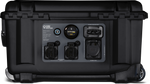 Pack de batteries énergétiques | 3kW
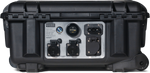 Bloc-batterie Pro | 5 kW
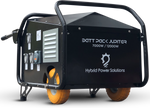 Batterie Jupiter | 7kW
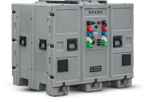 Spark Cube | 12kW/24kW
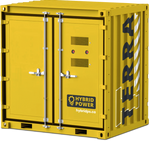 TERRA | 166kVA
Ressources

Why Lithium Battery Technology Boosts Generator Efficiency
Understanding lithium battery technology generators is essential. LiFePO4 battery systems integrated into hybrid generators outperform diesel-only power by cutting fuel consumption, lowering acoustic and thermal signature, and extending continuous runtime through multi-input charging (solar, alternator, grid, generator). For mission-critical defence, industrial, and rental applications, this hybrid architecture reduces convoy and refueling logistics, operates reliably to -30°C, and delivers silent operation where diesel-only units cannot. Platforms range from portable battery packs for job sites to full hybrid microgrids like TERRA for forward operating bases and remote installations.
How Do LiFePO4 Battery Technology Generators Outperform Diesel-Only Power for Mission-Critical Applications?
Lithium battery technology generators outperform diesel-only units by running the engine only when needed, cutting fuel burn, engine wear, and unplanned downtime across years of field service.
The chemistry matters as much as the architecture. LiFePO4 (lithium iron phosphate) is a distinct subset of lithium-ion, built around an iron phosphate cathode that stays thermally stable under load and heat stress in ways generic lithium-ion chemistries do not [4]. That stability translates into a longer working life: where standard lead-acid batteries deliver roughly 300 to 500 cycles, LiFePO4 packs commonly exceed 3,000 to 6,000 cycles under normal use [4]. For a defence logistics team or a rental fleet manager, that difference means fewer battery replacements, fewer field service calls, and less equipment pulled offline for swaps. This is particularly relevant for lithium battery technology generators.
The hybrid design is what turns that chemistry into an operational advantage. Instead of idling continuously to hold a load, a generator paired with a battery bank charges the battery and covers peak demand, then shuts down while the battery carries the site [2]. A diesel-hybrid battery energy storage setup can cut fuel consumption, emissions, and total operating cost compared to a generator running around the clock [1]. Combined with solar, alternator, or grid inputs, this is the multi-input architecture behind Hybridps systems like the Batt Pack Pro 5kW and the Spark Cube 12/24kW, which let the generator run in short, efficient bursts rather than continuous duty cycles.
What Is the Cost-Benefit Case for Lithium Hybrid Systems Over 5-10 Years of Operation?
Hybrid systems lower total cost of ownership by reducing engine runtime hours, which cuts oil changes, filter replacements, and the maintenance call-outs that stall a job site or forward operating base. Less continuous diesel operation also means slower wear on pistons, injectors, and cooling systems, the parts that typically fail first under sustained load. Buyers should think in cost tiers rather than fixed numbers: diesel-only setups carry ongoing fuel-logistics and maintenance costs that compound over a multi-year deployment, while a hybrid battery-generator pairing shifts spend toward a durable capital asset with a lower recurring cost profile.
How Do Cycle Life and Degradation Affect Total Cost of Ownership?
Degradation is the hidden cost diesel-only buyers rarely model, and it's where LiFePO4 pulls ahead. Because the chemistry tolerates thousands of charge-discharge cycles with minimal capacity loss [4], a hybrid system installed today can still deliver most of its rated capacity years into service. That predictability supports planning for defence and rental operators who need equipment to perform reliably at year seven, not just at delivery.
What Operational Advantages Do Lithium Hybrid Generators Offer Defence, Industrial, and Remote Deployments?
Lithium hybrid generators solve three mission-critical problems at once: cold-weather reliability, fuel resupply risk, and the need for continuous, unattended power. For forward operating bases, mine sites, and remote construction crews, these are not separate concerns, they compound each other in the field.
How Does the -30°C Rating and Extended Runtime Enable Performance in Extreme Environments?
Standard lithium-ion packs lose usable capacity in deep cold and often need heating blankets or enclosures just to start reliably. Hybridps systems are rated for operation down to -30°C, engineered and tested specifically for northern and Arctic deployment where a battery that needs to warm up before it works is a liability, not a backup.
For defence logistics teams running forward operating bases above the treeline, or utility crews servicing northern grid infrastructure in winter, this rating removes the workaround entirely. There's no auxiliary heater to fuel, no cold-start delay before power is available, and no derated performance in the exact conditions where failure carries the highest cost. This is one of the clearest gaps separating purpose-built lithium battery technology generators from consumer-grade portable packs designed for temperate climates.
What Role Do Multi-Input Hybrid Architectures Play in Reducing Fuel Consumption?
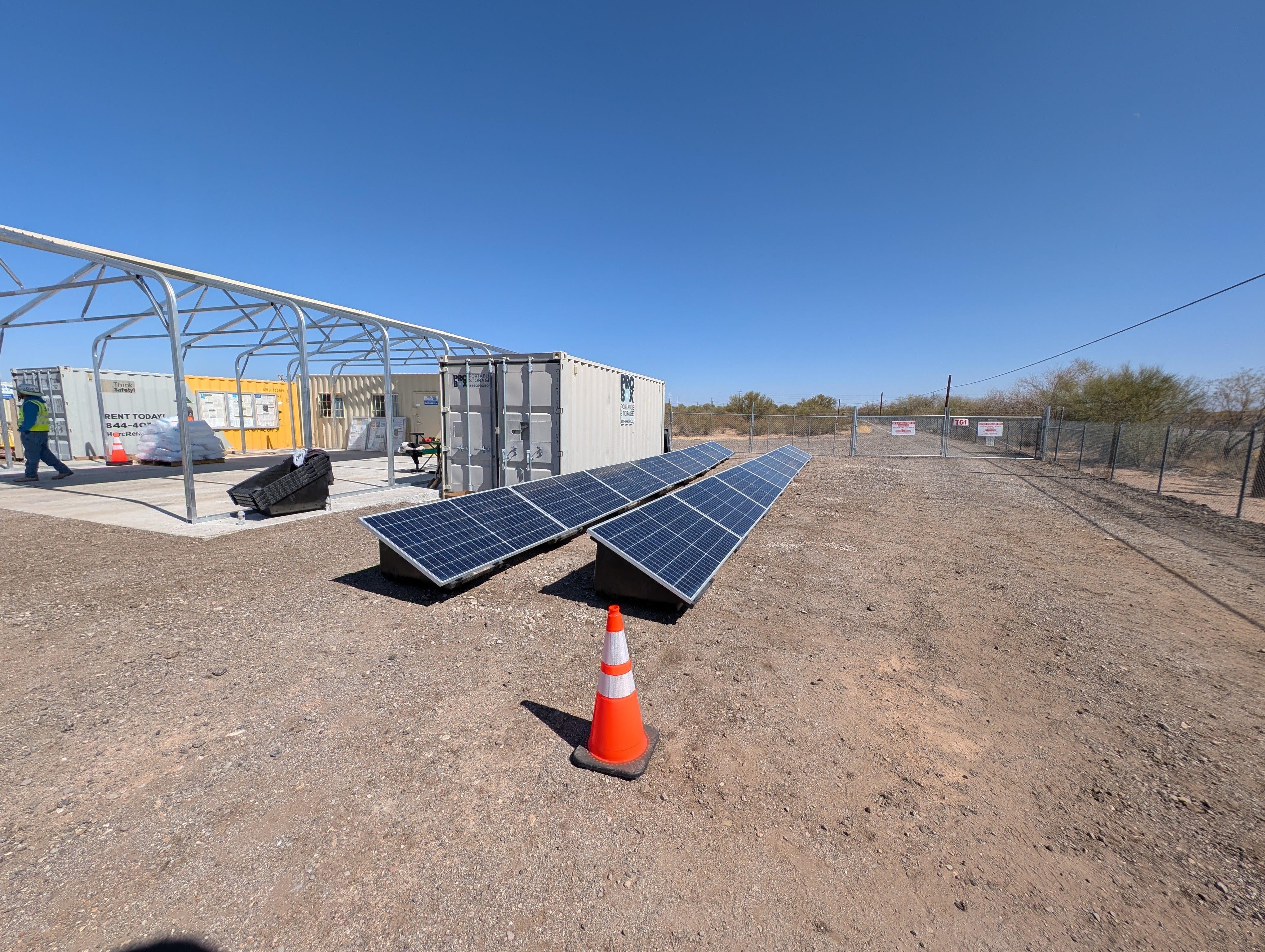
Multi-input charging, accepting solar, vehicle alternator, grid, and generator power, breaks the single-point dependency on diesel resupply that defines conventional generator operations. A mobile hybrid battery energy storage system typically pairs with a generator or renewables so the generator's job shifts from continuous load-bearing to periodic recharging, cutting fuel burn and runtime hours substantially [1]. Hybrid power systems combine two or more energy technologies specifically to raise overall system efficiency, with the battery acting as a buffer that stores surplus energy and discharges it on demand [2]. This is what makes continuous runtime achievable through cycling rather than one oversized battery bank. A battery-only portable pack has a fixed charge and needs frequent, scheduled recharging, fine for a job site with grid access, unworkable for a site with none. A hybrid system instead cycles: solar or alternator input tops up the battery through the day, and a generator or grid connection covers any shortfall, so the load never depends on a single fuel line or a single depleting cell. When considering lithium battery technology generators, this point stands out.
For convoy-dependent defence operations, this directly reduces the number of fuel resupply runs, and the exposure that comes with each one. It also supports drone recharging and tactical power at forward operating bases, where silent, low-thermal-signature charging matters as much as raw capacity.
Domestic engineering and assembly adds a procurement dimension defence and government buyers can't overlook: supply-chain control matters when equipment specifications and availability are audited requirements, not preferences.
How Do Hybrid Lithium Generators Reduce Fuel Logistics, Emissions, and Acoustic Signature?
Hybrid lithium generators cut resupply trips, run near-silent on battery power, and reduce heat signature, three separate advantages that matter most where exposure and detection carry real risk.
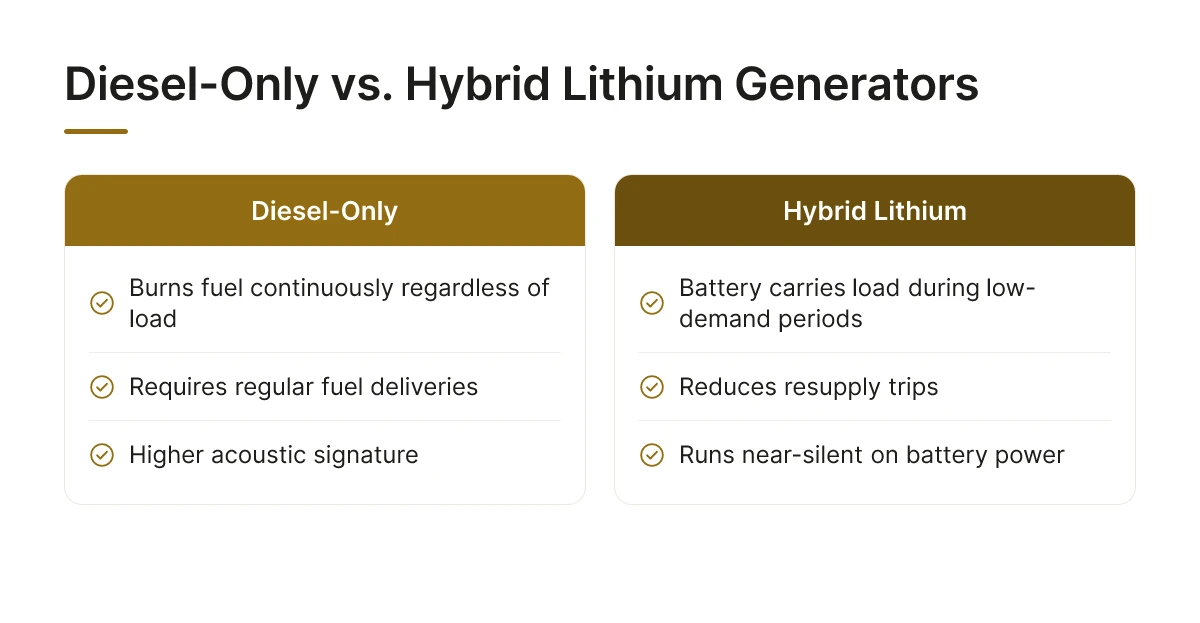
A diesel-only unit burns fuel continuously whether the connected load needs 20% of its output or 90%. A forward operating base or remote job site running that generator around the clock needs regular fuel deliveries just to keep the lights on, regardless of actual demand. Hybrid lithium battery technology generators change that math: the battery bank carries the load during low-demand periods and the generator only fires to recharge the pack or cover peak draw. Fewer refuelling cycles mean fewer resupply convoys, smaller on-site fuel storage, and, for defence logistics teams, less time spent moving fuel trucks through contested or remote terrain.
What Acoustic and Thermal Performance Gains Matter for Noise-Restricted Zones?
Battery-powered operation removes the continuous engine noise that diesel generators produce for as long as they're running. When the battery carries the load, there's no combustion, no exhaust note, and no mechanical hum, a meaningful difference for covert operations, noise-restricted construction zones, or residential-adjacent job sites with bylaw enforcement. This isn't a marginal quieting effect; it's the difference between a generator that broadcasts its location continuously and one that's acoustically invisible while running on stored energy.
Thermal signature is a separate consideration from noise, and one that matters specifically for defence applications. A diesel engine generates continuous waste heat as a byproduct of combustion, creating a thermal footprint detectable by infrared sensors regardless of how quiet the unit sounds. A battery bank discharging stored energy produces far less heat output, which lowers detectability for tactical positions and drone recharging stations operating in contested airspace. For those exploring lithium battery technology generators, this matters.
How Do Fuel-Efficient Hybrid Cycles Support Environmental and Defence Compliance?
Hybrid cycling, where the generator engine runs only intermittently to recharge the battery rather than continuously, reduces total engine runtime, and lower runtime translates directly into lower fuel consumption and emissions output over a deployment [3]. That matters for two overlapping pressures: environmental regulations governing emissions and noise at civilian job sites, and defence procurement standards that increasingly weigh fuel-logistics burden and signature management alongside raw power output.
The contrast with diesel-only units is structural, not incremental. A standalone diesel generator runs at a fixed output level regardless of load, wasting fuel during low-demand hours and generating constant acoustic and thermal signature whether anyone needs the power or not [1]. A hybrid system sized correctly for the site, battery packs plus generator backup, only calls on the engine when the battery needs topping up, which is a fundamentally different operating profile than round-the-clock combustion.
What Integration and Compatibility Requirements Apply When Deploying LiFePO4 Hybrid Systems?
Deploying lithium battery technology generators alongside existing diesel infrastructure requires matching voltage and current profiles, integrating inverter and charge-controller electronics, and setting up automatic switching logic before the system reaches the field.
Most deployments are not rip-and-replace projects. A hybrid battery unit typically sits alongside the existing genset, absorbing the load during low-demand periods and calling the generator back online only when battery state of charge drops or demand spikes. This staged approach matches how the market actually works: pairing a battery energy storage system with a diesel generator lets the generator charge the battery efficiently while the battery carries the steady-state load, which cuts fuel burn without discarding the capital already sunk into the generator fleet [2].
What Technical Specifications Matter When Retrofitting Lithium Hybrid Systems Into Existing Infrastructure?
Voltage matching comes first, the battery pack's DC output and the site's AC distribution requirements need to align through the inverter, or the retrofit stalls before it starts. Charge controllers then have to reconcile multiple input types: solar arrays, vehicle alternators, grid tie-ins, and generator output, each with different voltage curves and current limits.
Hybridps builds its Batt Pack Energy (3kW), Batt Pack Pro (5kW), and Batt Pack Jupiter (7kW) units around exactly this requirement, multiple charging inputs accepted through one integrated control system, so a construction site running a Jupiter unit off solar during the day can switch to generator-assisted charging overnight without swapping hardware. For whole-site power, the TERRA hybrid microgrid (167 kVA continuous, 250 kVA peak, 162 kWh) extends the same multi-input logic to a scale that briefcase-class competitors don't serve. This directly impacts lithium battery technology generators outcomes.
How Do Power Electronics and Safety Protocols Ensure Safe Integration?
Automatic load-based switching is managed by the battery management system (BMS), which monitors state of charge, load draw, and generator status in real time, then decides whether the battery or the genset should carry the next increment of load. This is the same logic that lets hybrid BESS deployments report meaningful reductions in fuel consumption and operating cost without manual intervention from site crews [3].
Safety protocols run in parallel: thermal protection circuits prevent overheating during high-draw cycles, and ruggedized enclosures protect cells and electronics from dust, vibration, and moisture on active job sites. LiFePO4 chemistry itself contributes here, its electrochemical structure is inherently more thermally stable than legacy lithium-ion formats, which reduces thermal runaway risk during field deployment [4].
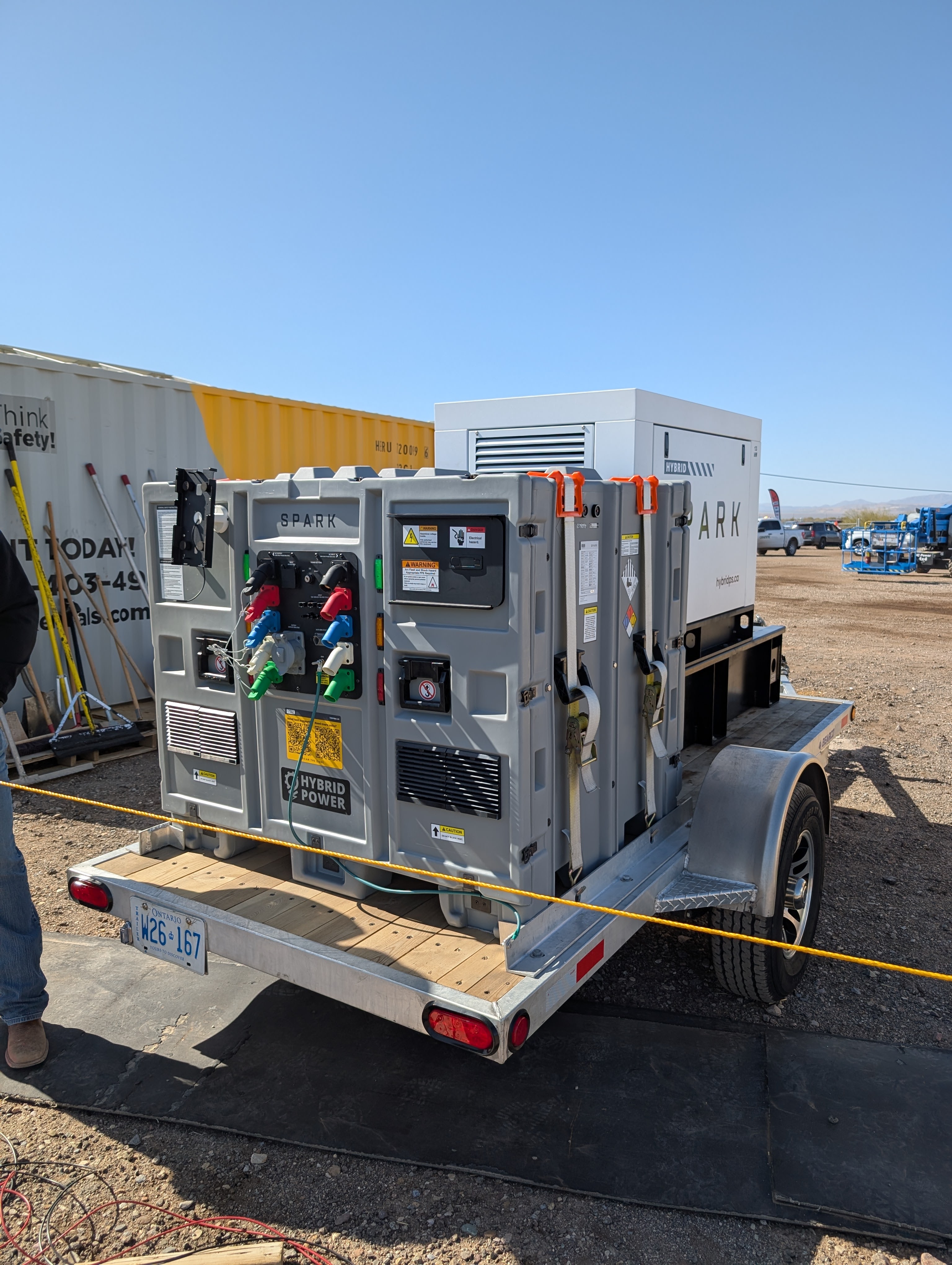
Deployment format depends on the job. Mobile setups use trailer-mounted units and spider-box distribution to feed multiple tools or work zones on a shifting job site, while stationary microgrid installations, like a TERRA deployment at a forward operating base or mine site, are fixed and built for continuous, long-duration runtime. Because hybrid multi-input systems interface with generators rather than replacing them, retrofitting existing infrastructure is generally far simpler than converting to a battery-only setup, which would require replacing the entire power source instead of augmenting it.
Which Lithium Hybrid Generator Platform Fits Your Power Tier, Runtime, and Environment?
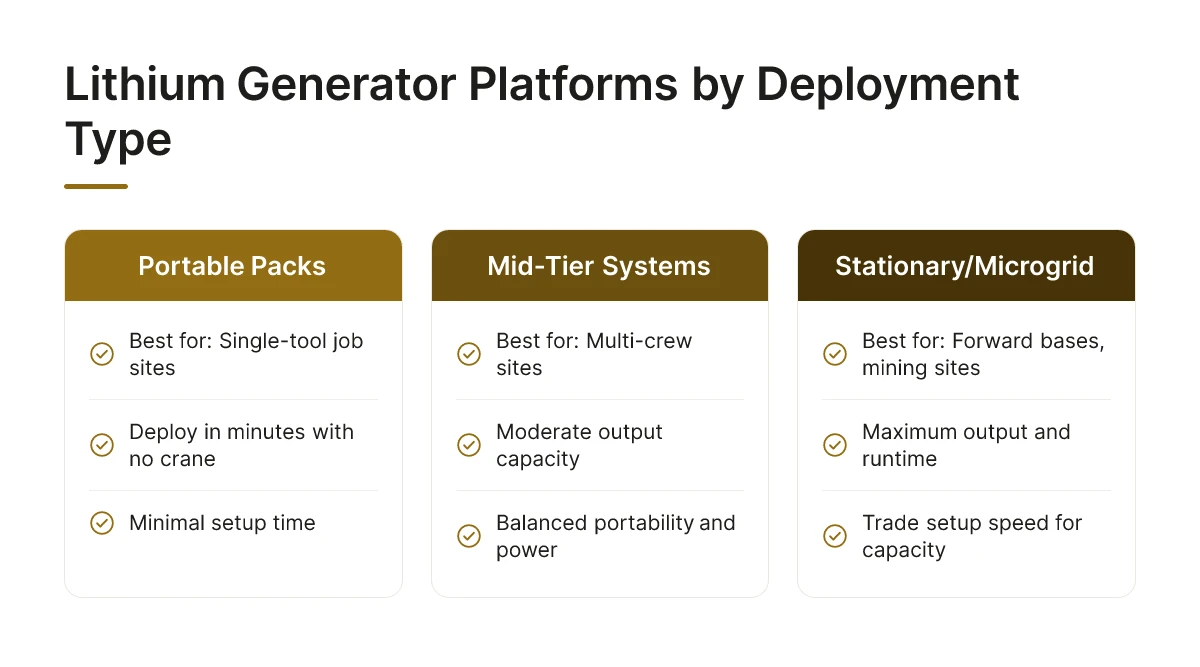
Match the platform to your load, not the other way around: single-tool job sites need a portable pack, multi-crew sites need mid-tier output, and forward operating bases or mining sites need a microgrid. The lithium battery technology generators market spans that entire range, and picking the wrong tier means either underpowering critical equipment or hauling more hardware than the job requires.
How Do Portable Platforms Compare to Stationary Systems for Deployment Speed and Scalability?
Portable packs deploy in minutes with no crane or trailer, while stationary and towable systems trade setup speed for continuous, higher-capacity output.
The Batt Pack Energy 3kW, Batt Pack Pro 5kW, and Batt Pack Jupiter 7kW cover single-operator tool power and small job-site loads, power tools, lighting, communications gear, and small pumps. These units are built for rapid, no-crew deployment: load them into a truck bed, carry them to a work zone, and run. For a two- or three-person crew running hand tools and a light tower overnight, the Jupiter 7kW typically has enough headroom without stepping up a full tier. This is particularly relevant for lithium battery technology generators.
The Spark Cube 12/24kW sits above the Batt Pack line for larger job sites or multi-crew operations that need more continuous output than a briefcase-class unit can deliver, but don't yet require a full microgrid. It's the right call when you're running multiple trades off one power source, or when overnight silent operation near a noise-restricted site matters as much as capacity.
TERRA, rated 167 kVA continuous, 250 kVA peak, 162 kWh, occupies a tier portable units simply don't serve. This is whole-site hybrid microgrid power for forward operating bases, mining camps, and utility-scale deployment, where the goal is reducing fuel convoys and generator runtime across an entire site rather than powering a single crew.
What Are the Real-World Power and Environmental Specifications Across These Use Cases?
Cold tolerance, format, and multi-input charging separate field-ready hybrid platforms from consumer-style power stations.
Every tier in this range is engineered and assembled in Canada and rated for operation down to -30°C, and each accepts solar, alternator, grid, or generator charging inputs, critical for sites where resupply is unreliable. LiFePO4 chemistry underpins all of it, offering longer cycle life and better thermal stability than the generic lithium-ion cells used in consumer power stations [4].
| Platform | Power Tier | Format | Typical Use Case |
|---|---|---|---|
| Batt Pack Energy 3kW | 3 kW | Portable | Single-operator tool power, small loads |
| Batt Pack Pro 5kW | 5 kW | Portable | Job-site crews, extended tool runtime |
| Batt Pack Jupiter 7kW | 7 kW | Portable | Multi-tool loads, overnight site power |
| Spark Cube 12/24kW | 12-24 kW | Towable/stationary | Multi-crew sites, larger continuous loads |
| TERRA | 167 kVA cont. / 250 kVA peak | Stationary microgrid | FOBs, mining, utility-scale sites |
Before selecting a platform, weigh three factors: the load profile of your equipment, how fast you need to deploy (portable versus towed or stationary), and environmental exposure, cold, remote logistics, or noise-restricted sites near populated areas or sensitive operations.
Frequently Asked Questions
Can lithium hybrid generators fully replace diesel generators on remote sites?
Full replacement depends on load size and duration, but for most construction, rental, and forward operating base applications, hybrid systems handle the job with far less fuel. A Batt Pack Pro 5kW or Jupiter 7kW covers tool and equipment loads directly; larger sites pair a TERRA microgrid with a generator input for charging only, cutting diesel runtime dramatically rather than eliminating it entirely on the highest-draw jobs. When considering lithium battery technology generators, this point stands out.
How does battery degradation affect warranty terms on LiFePO4 hybrid systems?
LiFePO4 cells degrade slowly, and warranty terms reflect that cycle-life advantage compared to other lithium chemistries [4]. Degradation is measured in charge cycles rather than calendar age, so units in daily rotation retain usable capacity far longer than lead-acid equivalents. Ask your supplier for cycle-count warranty specifics tied to your actual duty cycle.
Are LiFePO4 hybrid generators safe to operate in extreme cold?
Yes, LiFePO4 chemistry is inherently more thermally stable than other lithium formats, and Hybridps units are rated for operation down to -30°C. This matters for Arctic and northern defence deployments where diesel fuel gelling and cold-start failures routinely sideline conventional generators.
Do lithium hybrid generators require special training for field operators?
No specialized certification is typically required, operation is simpler than diesel generator maintenance, not more complex. Crews already running job-site equipment can manage charging inputs and basic monitoring after a short orientation, with no fuel handling or engine servicing to train around.
What maintenance do hybrid lithium systems need compared to diesel-only units?
Hybrid lithium systems need far less hands-on maintenance than diesel-only generators, since there are no oil changes, fuel filters, or engine wear parts to service. Maintenance is largely limited to periodic inspection of connections and the battery management system, reducing downtime and technician hours on remote deployments.
Conclusion
LiFePO4 hybrid systems change the power equation for defence, rental, and construction operators by cutting fuel logistics, reducing acoustic and thermal signature, and holding up at -30°C where diesel-only setups struggle. The real decision point isn't battery versus generator, it's matching power tier to mission, from a Batt Pack Energy 3kW for tool loads to a TERRA 167 kVA microgrid for whole-site or forward operating base power. Before your next remote deployment or rental cycle, map your actual load profile and duration against these tiers, then request a demo through Hybridps to see which configuration removes the most diesel from your operation.
Sources & References
- Mobile Hybrid BESS vs Diesel Generators Comparison
- Hybrid Power Systems 101 | BESS | POWR2
- Hybrid Energy Storage: Features, Applications, And Benefits
- Main Advantages of LiFePO4 Batteries | Safety, Lifespan, and Efficiency Explained
Recommended Articles
Explore more from our content library: