

Products
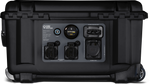 Batt Pack Energy | 3kW
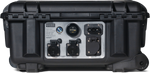 Batt Pack Pro | 5kW
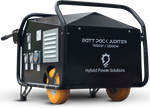 Batt Pack Jupiter | 7kW
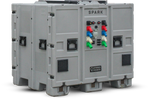 Spark Cube | 12kW/24kW
 TERRA | 166kVA
Resources

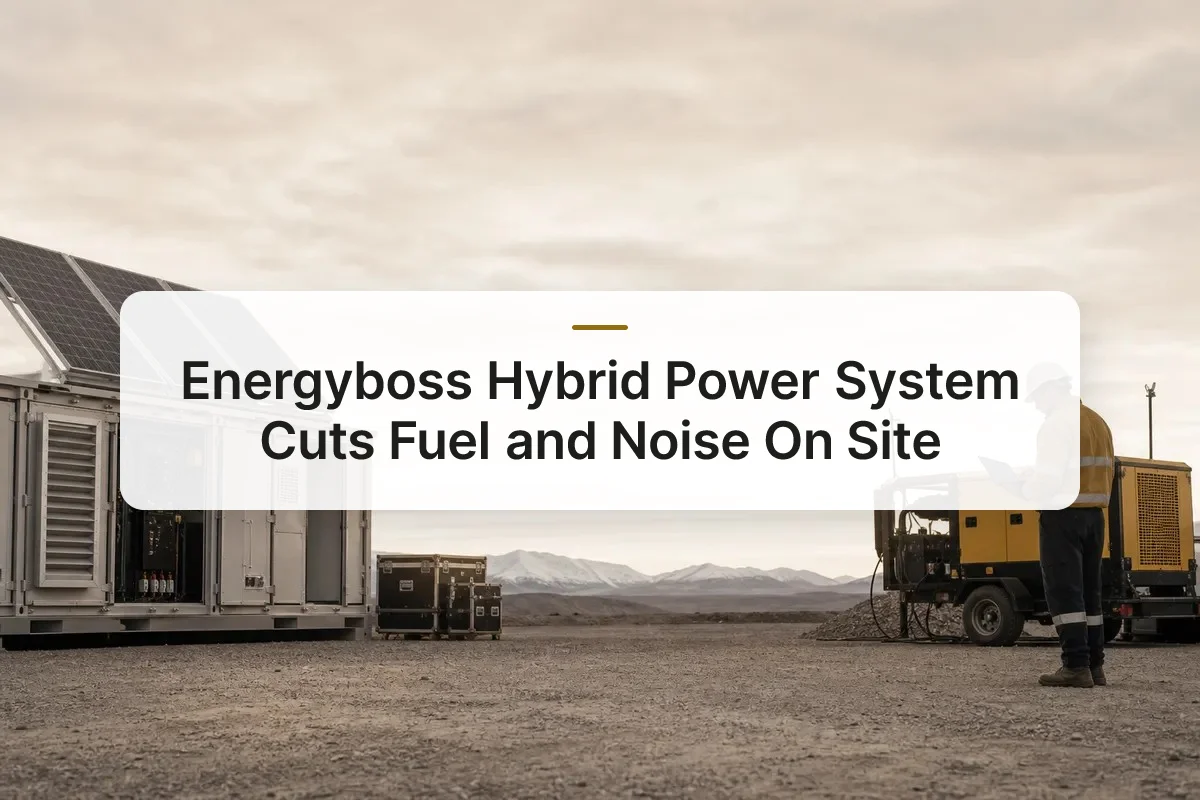
Energyboss Hybrid Power System Cuts Fuel and Noise On Site

An energyboss-class system pairs a LiFePO4 battery bank with solar, alternator, grid, and generator inputs so a site draws clean stored power first and only runs a generator to top up charge, not to carry the full load. For defence, rental, and construction operators, this hybrid approach cuts fuel convoys and run-hours, lowers acoustic and thermal signature, and keeps critical loads powered through outages or recharge gaps. Unlike single-input portable packs, multi-input hybrid platforms scale from job-site tools to whole-site microgrids, and this is exactly where an energyboss configuration earns its name.
How Does an Energyboss Hybrid System Combine Battery, Solar, and Multi-Input Power?
The architecture behind any energyboss-class system is simple: a LiFePO4 battery bank sits at the centre, and every power source on site feeds it rather than feeding the load directly.
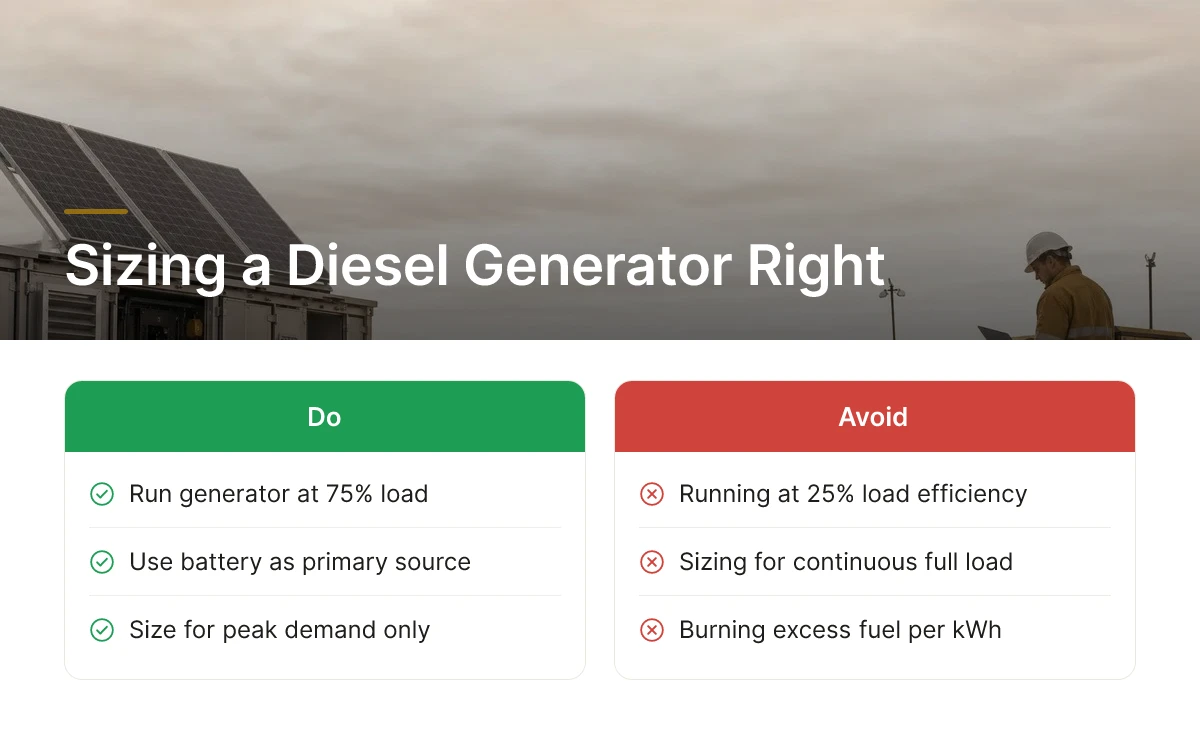
That distinction matters more than it sounds. A diesel generator sized for peak load typically runs under 25% load most of the day, burning fuel inefficiently to cover demand spikes it rarely sees [1]. An energyboss setup flips that: the battery bank carries the steady-state load, and outside sources, solar, alternator, grid, or a generator, top up the reserve only when it needs charging. The generator stops being a 24-hour commitment and becomes an occasional, short-duty charging input, which is the core value proposition behind every energyboss deployment.
What Role Does LiFePO4 Battery Chemistry Play in Hybrid System Performance?
LiFePO4 gives an energyboss platform the cycle life and thermal stability to handle continuous industrial charge-discharge without the degradation curve generic lithium-ion cells show under the same duty. Job sites don't run one clean cycle a day, they run partial charges, rapid top-ups from a generator, solar trickle through the afternoon, then a deep pull overnight on a drone recharge station or site lighting. Generic lithium-ion chemistries degrade faster under that kind of irregular cycling. LiFePO4 tolerates it, which is why it's the chemistry behind Hybrid Power Solutions' Batt Pack line rather than a cheaper lithium-ion alternative, and why it remains the standard across energyboss-class systems more broadly. For a side-by-side look at how hybrid platforms stack up against diesel-only units on efficiency and performance, see this hybrid generator versus diesel generator comparison.
How Do Solar, Alternator, Grid, and Generator Inputs Work Together?
Multi-input charging means no single source carries the whole burden, solar tops up during daylight, a vehicle alternator charges in transit, grid power tops up overnight where available, and a generator fills whatever gap remains. This is the structural difference between an energyboss hybrid system and a battery-only portable power pack. A single-input pack is a battery with no onboard way to recharge itself in the field, once it's drained, the only fix is swapping it for a charged unit or plugging into static grid power [2]. A true hybrid accepts a generator as one input among several, so the battery bank never fully depletes before the next charging window arrives. Background on how these multi-source architectures are designed is covered in this overview of hybrid power systems and battery energy storage (BESS).
This same architecture scales. Hybrid Power Solutions' Batt Pack Energy at 3kW covers a single tool circuit or drone recharge point; Batt Pack Pro at 5kW steps up to job-site trailer loads; Batt Pack Jupiter at 7kW handles heavier continuous draw. The multi-input logic and LiFePO4 core stay identical across the range, only the capacity changes, which is the throughline of every energyboss product tier.
- Solar input: charges the battery bank during daylight hours at no fuel cost
- Alternator input: tops up charge while a vehicle is in transit between sites
- Grid input: recharges overnight wherever static power is available
- Generator input: fills whatever charging gap the other three sources leave
How Does a Hybrid Battery System Replace or Augment a Diesel Generator?
A battery bank absorbs the site's load while the generator runs only to recharge it, cutting engine hours, fuel burn, noise, and heat compared to a diesel unit carrying continuous load. This is the mechanical core of any energyboss approach, the battery, not the engine, becomes the primary power source, and the generator becomes a charger.
A diesel generator sized to carry a site's full load directly spends most of its life running well under that peak, and a generator running at 25% load burns significantly more fuel per kilowatt-hour than one running at 75% load [1]. A hybrid energyboss configuration avoids that inefficiency by letting the battery bank carry variable site loads and calling on the generator only in short, high-load charge cycles.
What Fuel-Logistics and Cost Advantages Does Hybrid Power Deliver Over Diesel-Only Power?
Fewer generator run-hours mean fewer fuel deliveries, which matters most where every litre arrives by convoy, aircraft, or barge. When a generator's only job is topping up a battery bank rather than carrying continuous load, it runs a fraction of the hours a load-following diesel unit would log, directly reducing resupply frequency and the fuel inefficiencies that come from running an oversized engine at partial load [1]. For a forward operating base or a remote mine site, that translates into fewer convoy trips exposed to risk or weather delays, and a smaller footprint of stored fuel on site, which is one of the clearest operational wins an energyboss deployment delivers.
Battery buffering also changes how a site sizes its generator in the first place. Instead of specifying an engine to cover instantaneous peak demand, a crane start, a welding spike, a drone recharge bank pulling hard for a few minutes, the battery absorbs that peak and the generator only needs to match average demand over time [2]. That allows a smaller, quieter charging engine, or in some deployments, no generator at all if solar and grid inputs cover the recharge need.
How Does Battery-Based Hybrid Power Reduce Acoustic and Thermal Signature?
Battery power delivered through an inverter has no combustion cycle, so there is no engine noise and no exhaust heat plume while the unit is discharging. That matters directly for forward operating bases working to stay below radar and infrared detection thresholds, and for construction crews running night shifts near residential boundaries where noise bylaws apply. The generator only cycles on intermittently to recharge, so the acoustic and thermal signature exists in short windows rather than continuously, a design goal built into every energyboss-class unit.
Hybrid Power Solutions' Water-Cooled Diesel DC Gen 6kW is built around this exact division of labour, it's designed to charge a battery bank rather than run site loads directly, keeping engine hours low and letting the battery carry the signature-sensitive hours of operation. Comparable factory-built hybrid gensets, such as the Airman 56 kW / 25 kWh Energy Boss hybrid system, follow the same battery-first, generator-as-charger logic at a larger power tier.
What Distinguishes Hybrid Systems From Traditional Generator-Only Setups?
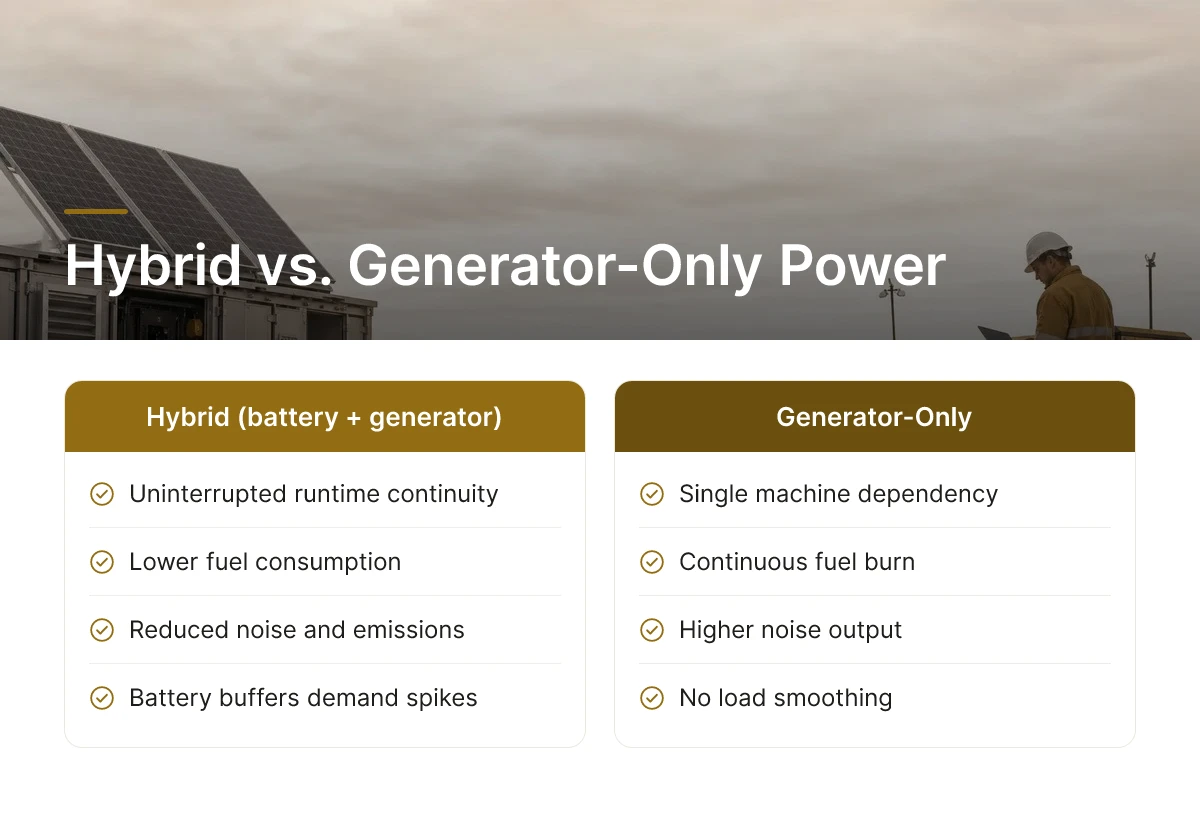
A hybrid system pairs battery storage with a generator so the battery carries the load during refuelling or low-demand periods, cutting runtime, noise, and emissions compared to a generator running continuously [2].
The two architectures aren't close substitutes. One depends entirely on a single machine staying lit; the other treats the generator as one input among several, with the battery acting as a buffer that smooths out gaps. Here's how they compare across the factors that matter to site operators and defence logistics planners alike, and why an energyboss configuration consistently outperforms a generator-only setup on these measures.
| Factor | Hybrid (battery + generator) | Generator-Only |
|---|---|---|
| Runtime continuity | Uninterrupted, battery covers refuelling/recharge gaps | Power drops during refuelling or maintenance stops |
| Noise level | Near-silent during battery-only operation | Continuous combustion noise |
| Maintenance interval | Generator runs fewer hours, extending service intervals | Fixed hours-based service schedule, frequent idling wear |
| Emissions profile | Lower on-site emissions; generator cycles only as needed | Continuous fuel burn and exhaust output |
| Deployment flexibility | Multiple inputs, solar, alternator, grid, generator | Single fuel-dependent input |
How Do Hybrid Systems Achieve Continuous Runtime and Lower Emissions Without Sacrificing Reliability?
Battery buffering means the load never sees a gap, even when the generator is being refuelled, serviced, or swapped out. On a generator-only site, that refuelling stop is a power interruption, on a hybrid setup, the battery simply takes over for those minutes or hours. A diesel generator running at 25% load burns significantly more fuel per kilowatt-hour than one running near 75% load, and that inefficiency compounds over a multi-week deployment [1]. Hybrid architecture avoids this by letting the battery handle base load and cycling the generator only when demand or state-of-charge requires it. Hybridps builds this logic into the Spark Cube 12/24kW and the TERRA 167 kVA continuous / 162 kWh hybrid microgrid, where the generator remains available as a backup input rather than the single point of failure it is in a generator-only configuration. That distinction is the core of any energyboss comparison, it's not battery-only versus diesel-only, it's whether the generator is a dependency or a reserve.
What Compliance and Environmental Benefits Matter for Regulated Industries?
Regulated sites, environmentally sensitive zones, noise-restricted job sites, forward operating bases, benefit from reduced idling, lower on-site emissions, and quieter operation that a generator-only setup can't match. A battery energy storage system absorbs surplus generator or solar output and discharges it on demand, which means the generator doesn't need to idle just to keep power available [2]. For defence applications, that translates into reduced acoustic and thermal signature alongside lower fuel-convoy exposure. For construction and rental fleets working near noise bylaws, it means fewer complaints and fewer compliance headaches. Any energyboss evaluation for a regulated site should weigh idling reduction and emissions profile as heavily as upfront cost, the energyboss decision isn't just about swapping fuel for batteries, it's about how the two inputs are managed together to meet site-specific noise and emissions requirements without introducing new reliability risk.
Which Industries Benefit Most From Energyboss-Style Hybrid Power?
Four buyer groups gain the most from energyboss-style hybrid power: defence and tactical operations, equipment rental fleets, construction job sites, and emergency response teams.
Each of these segments runs on diesel today largely because nothing else could match its runtime demands. Multi-input hybrid systems, battery plus solar, alternator, grid, or generator, close that gap without forcing a trade-off on reliability. The use cases differ, but the underlying math is the same: less fuel movement, less noise, less maintenance downtime.
- Defence and tactical operations: forward operating bases and drone recharge points that need low acoustic and thermal signature
- Equipment rental fleets: units that return from a job ready to redeploy rather than needing fuel and service between contracts
- Construction job sites: overnight lighting and tool charging without triggering noise complaints near residential zones
- Emergency response teams: power that arrives pre-charged and independent of disrupted fuel supply chains
How Are Defence, Construction, and Industrial Sites Using Hybrid Power for Mission-Critical Deployments?
Defence teams use energyboss-style systems to power forward operating bases, recharge tactical drones in the field, and cut the number of fuel convoys needed to sustain a site. A low acoustic and thermal signature matters as much as output near sensitive positions, a diesel generator running all night is a beacon; a battery system running on stored charge is not. Hybridps's TERRA hybrid microgrid (167 kVA continuous, 250 kVA peak, 162 kWh) is built for this exact job: whole-site or FOB-scale power that still accepts solar, alternator, grid, or generator input for indefinite runtime.
Equipment rental fleets face a different problem, generator-only stock means downtime for fuel runs, oil changes, and breakdowns between contracts. LiFePO4 battery units hold up better under that cycle because they carry fewer moving parts and lower maintenance overhead. That's the logic behind a buy-or-rent program built around Portable Power Packs: fleets get durable units that come back from a job ready to go out again, not back to the shop. Rental and project-based buyers comparing units on the market can also browse options like the Energy Boss hybrid generator lineup from Mount Compressor to see how different energyboss-class configurations are specified and sold.
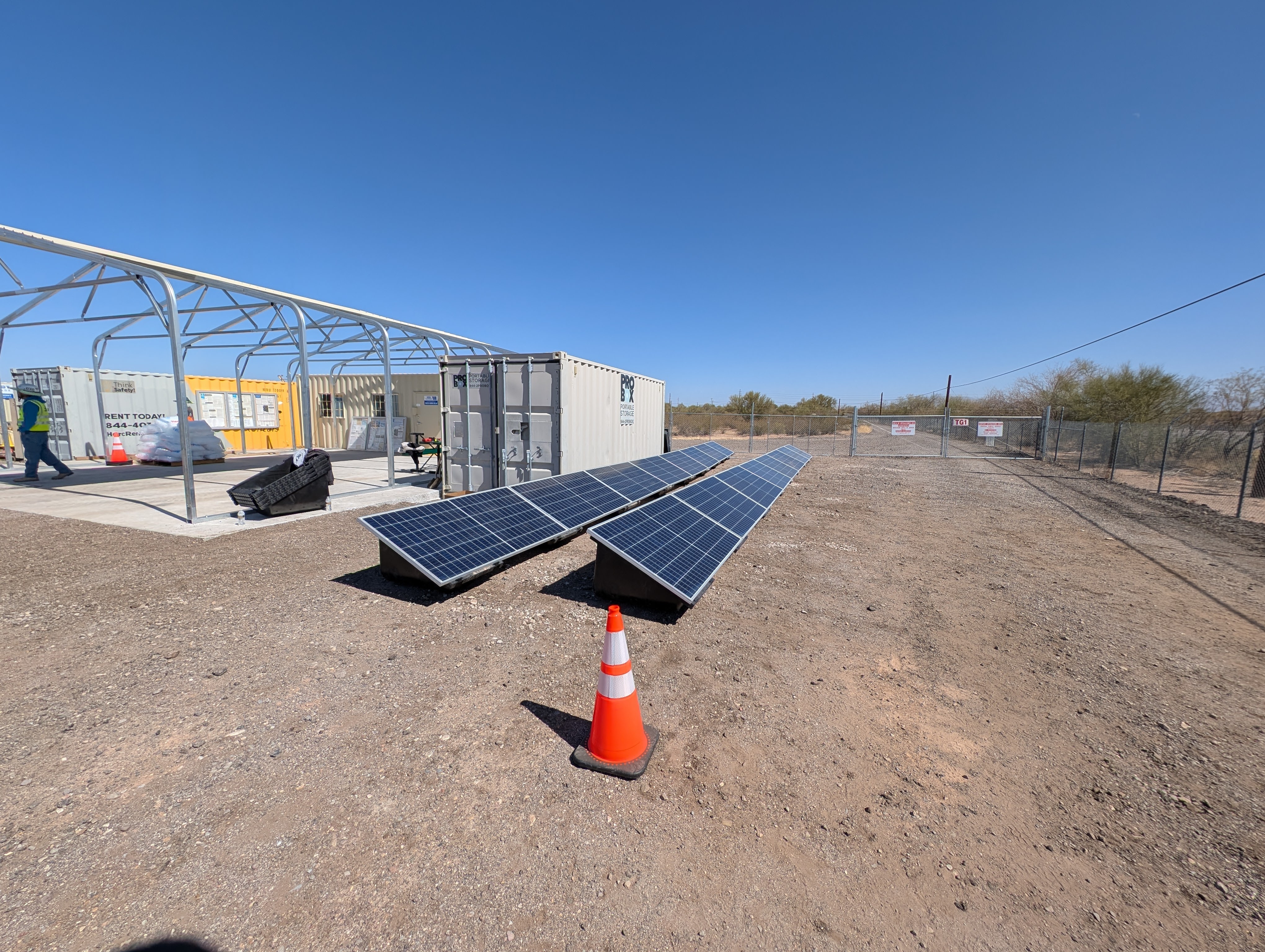
Construction job sites have their own constraint: neighbours. Diesel generators running overnight for security lighting or tool charging invite noise complaints, especially on urban or residential-adjacent sites. Battery systems like Batt Pack Pro or Batt Pack Jupiter run site trailers and lighting silently through the night, recharging from grid or solar during the day.
What Role Do Hybrid Systems Play in Emergency Response and Disaster Relief?
Disaster relief operations need power that deploys fast, independent of damaged fuel infrastructure. When roads are washed out or fuel resupply is disrupted, a pre-charged battery system still delivers power on arrival, something a diesel generator sitting on an empty tank cannot do [1]. Hybrid architecture adds a second layer: once on-site, these systems can recharge from solar or whatever generator capacity is available, extending runtime without waiting on a fuel truck [2]. This recharge flexibility is what makes an energyboss-class unit a practical fit for emergency response fleets.
What Specifications Should You Evaluate When Choosing an Energyboss-Class System?
Evaluate four specifications before buying any energyboss-class hybrid system: power tier against actual load, continuous versus peak rating, cold-weather operating range, and deployment format.
Buyers who shop on sticker price or headline kW alone tend to undersize or oversize their fleet. An energyboss-class system is a sizing exercise first, a product choice second, get the load profile wrong and even the best hybrid architecture underperforms a diesel unit it was meant to replace.
- Power tier against actual load: match continuous draw, not headline wattage, to the unit chosen
- Continuous versus peak rating: confirm the gap between sustained output and short-burst capacity
- Cold-weather operating range: verify a rating suited to the coldest conditions the site will see
- Deployment format: decide between spider box distribution, towable trailer mount, or fixed installation
What Power Tiers and Runtime Capabilities Are Available for Different Operational Scales?
Match the unit to the job, not the other way around. Hybrid Power Solutions' Batt Pack Energy 3kW, Batt Pack Pro 5kW, and Batt Pack Jupiter 7kW cover tool loads, small trailer setups, and single-crew job sites, the scale where an energyboss-class unit replaces a portable diesel unit outright. Step up to the Spark Cube 12/24kW for larger site loads: multiple trades running simultaneously, temporary lighting towers, or compressor loads that exceed what a Batt Pack can carry alone.
For whole-site or forward operating base power, TERRA is a different class entirely: 167 kVA continuous, 250 kVA peak, and 162 kWh of storage. That continuous-versus-peak distinction matters more than any single spec on the sheet. Peak rating tells you what the system can handle for seconds; continuous rating tells you what it sustains for hours. A site with large inrush loads, pumps, compressors, cold-climate heaters cycling on, needs headroom between those two numbers, not just a high peak figure on a spec sheet, and that headroom is what separates a properly sized energyboss deployment from an underpowered one.
How Do Cold-Weather Ratings and Canadian-Made Systems Perform in Extreme Field Conditions?
A -30°C operating rating isn't a bonus spec for Arctic, northern, and winter construction deployments, it's the difference between a battery system that starts every morning and one that doesn't. Diesel units face fuel gelling and cold-start failures at those temperatures [1]; a battery system rated for extreme cold removes that failure mode entirely. Hybrid Power Solutions engineers and tests its lineup to -30°C, which matters for site supervisors who can't afford a no-start on a -28°C morning with a crew already on the clock.
Deployment format closes the evaluation. A Spider Box handles distribution across multiple loads on a spread-out site; a Towable Trailer Mount adds mobility for crews relocating between work fronts. For defence and government buyers, Canadian engineering and assembly is also a procurement requirement, domestic supply-chain control simplifies compliance checks that imported hybrid systems complicate. Run this checklist, power tier, continuous rating, cold spec, format, before any energyboss-class purchase, and the fit will hold up past the first season.
Frequently Asked Questions
Can a hybrid battery system fully replace a diesel generator on a remote site?
In many applications, yes, but it depends on continuous load and runtime needs. A LiFePO4 system like Hybrid Power Solutions' Batt Pack Jupiter 7kW or the TERRA 167 kVA microgrid can carry full site loads with solar, alternator, or generator top-ups. For sites with sustained heavy draw and no recharge window, a hybrid configuration that still includes a generator input often makes more sense than a pure battery swap, which is exactly the trade-off an energyboss sizing exercise is meant to resolve.
How does solar input affect how often the generator needs to run in a hybrid setup?
Solar input reduces generator runtime by charging the battery bank during daylight, cutting fuel burn and engine hours. The size of that reduction depends on panel capacity, site latitude, and season. Systems built for multiple charging inputs, solar, alternator, grid, or generator, let crews prioritize whichever source is cheapest or available on site, a flexibility central to how any energyboss configuration is operated day to day.
Is a hybrid power system harder to maintain than a standard generator?
No, a hybrid system typically demands less maintenance, not more. Diesel generators need regular oil changes, filter swaps, and engine hours tracking; LiFePO4 battery packs have no moving parts, no fuel system, and far longer service intervals. The added electronics (inverters, BMS) are solid-state and built for extended field deployment with minimal intervention.
What size hybrid system does a typical construction job site need?
Most construction sites run comfortably on something between the Batt Pack Pro 5kW and Batt Pack Jupiter 7kW, depending on tool load and crew size. Smaller sites running lighting, power tools, and charging stations overnight often fit within the 3–5kW range. Larger sites with welding equipment, pumps, or multiple trailers may need a Spark Cube 12/24kW configuration to cover peak draw without generator backup.
Why does acoustic signature matter for defence and forward-base power?
Low acoustic signature reduces the chance of detection at forward operating bases, where generator noise can carry for kilometres. Silent battery operation also lowers thermal signature compared to running engines, supporting concealment alongside fuel-logistics reduction, a combined advantage diesel-only setups can't offer.
Conclusion
Pairing battery storage with solar, alternator, or generator input doesn't just cut fuel costs, it changes what's operationally possible on remote sites, forward bases, and job sites that can't afford downtime. The real decision isn't battery versus diesel; it's matching power tier to load, from a Batt Pack Energy 3kW for small crews to a TERRA 167 kVA microgrid for whole-site power. Before your next deployment, map your actual continuous and peak load against these energyboss power tiers rather than defaulting to oversized diesel capacity, then request a demo configuration sized to that number.
Sources & References
- Hybrid Generator vs. Diesel Generator Comparison - Cost, Efficiency & Performance
- Hybrid Power Systems 101 | BESS | POWR2
Recommended Articles
Explore more from our content library: